In homeopathic practice, runner’s first aid is built around a small number of remedies matched to the mechanism of the injury — friction, chafing, a clean cut, a graze, or a puncture. The law of similars (similia similibus curentur) is applied to how the tissue was damaged and how it reacts: sore and bruised, raw and burning, bleeding and clean-edged, or puncture-like and slow to heal. This article covers the traditional remedy pictures homeopaths use for blisters, chafing, cuts, and grazes during running, the potencies and dosing patterns usually considered for acute injuries, and the wound-care basics that no remedy replaces.


Why Mechanism Matters More Than the Label
“Blisters” and “cuts” describe mechanisms rather than remedy pictures. A friction blister on the heel, a raw chafed patch under a waistband, and a stinging graze from a fall on gravel are different types of tissue insult. Homeopaths therefore separate them, because the remedy traditionally associated with blunt, bruising trauma is not the same as the one associated with sharp, clean wounds or with raw, burning skin.
A crisp definition of acute prescribing
Acute prescribing is the use of a remedy for a recent, self-limiting injury or illness with a clear symptom picture, usually in a lower or mid-range potency, repeated while the symptom is active and stopped once it resolves. It is contrasted with chronic or constitutional prescribing, which addresses long-standing patterns and normally follows a full case-taking.



How the repertory is used for injury
A homeopath will search a repertory under headings such as “skin, wounds,” “skin, chafing,” “injuries, blunt,” or “skin, pain, raw, smarting,” then confirm the shortlisted remedies in the materia medica. The repertory narrows; the materia medica decides.
★ VIP MEMBERSHIP : Get a Dedicated Homeopath in Your Pocket All Month
Healing chronic issues takes ongoing adjustments. Unlock a full month of direct, 1-on-1 text access to Dr. Sheikh Abdullah for tailored remedy protocols, acute family care, and holistic follow-ups whenever you need them. 100% private written consultations • No video calls required • Cancel anytime.
Start Your Consultation As an Amazon Associate I earn from qualifying purchases.Blisters From Friction
A blister is a mechanical injury, and homeopaths commonly consider remedies for the burning, raw, and tender quality of the damaged skin rather than for the fluid itself.

- Arnica montana — the classic remedy for soreness and a bruised, beaten feeling after mechanical strain or trauma. Often the first remedy considered where feet are simply battered by a long run.
- Rhus toxicodendron — traditionally associated with friction injuries and with conditions worsened by cold and damp and relieved by continued movement.
- Cantharis — associated in the literature with burning, raw, smarting pain and blistering skin, where the surface feels scorched or intensely irritated.
- Graphites — historically used where skin cracks and weeps a sticky fluid, often around the heels and between the toes.
- Petroleum — described in older texts for raw, cracked, fissured skin that stings, particularly worse in winter.
These are traditional associations from the homeopathic literature, framed as beliefs within the tradition rather than demonstrated treatment effects.
Chafing and Raw Skin
Chafing has its own vocabulary. Homeopaths ask whether the skin is merely tender or actively raw and burning, whether sweat makes it worse, whether it stings on contact with water, and whether it is worse in folds and creases.


- Sore and bruised: Arnica montana is frequently considered where the skin feels battered rather than inflamed.
- Burning and smarting: Cantharis and Apis mellifica appear where the sensation is hot, stinging, and sensitive to touch, with Apis more often cited for puffy, oedematous tissue.
- Raw and deeply sensitive to air and water: Rhus toxicodendron and Petroleum are traditional options where exposure aggravates.
- Cracked with sticky oozing: Graphites is the conventional suggestion in older materia medica for fissured, gluey skin.
Cuts, Grazes, and Puncture-Type Wounds
Wound care always begins with cleaning, pressure for bleeding, and assessment. Within that framework, homeopaths use different remedies depending on the character of the wound.
- Clean, sharp cuts: Staphysagria is the traditional remedy picture for incised or surgical-type wounds with a clean edge.
- Grazes and abrasions with soreness: Arnica montana or Calendula are the frequent choices; Calendula is traditionally used where the emphasis is on raw, open, slow-to-heal surfaces.
- Puncture wounds and slow, indolent healing: Ledum palustre is the classical association for wounds that feel cold and are relieved by cold applications, and it is often mentioned for injuries from splinters, thorns, or bites.
- Wounds with shooting or burning pain: Hypericum perforatum is traditionally associated with injuries to nerve-rich areas such as fingertips and toes.
Homeopathy vs. Conventional First Aid for Runners
| Element | Conventional first aid | Homeopathic approach |
|---|---|---|
| Wound cleaning | Irrigation, antiseptic where appropriate, dressing | Not replaced. Homeopaths advise cleaning and dressing first, then a remedy alongside |
| Pain and swelling | Cooling, elevation, compression, analgesia | A remedy matched to the injury mechanism and sensation |
| Infection risk | Monitoring, medical review, antibiotics when indicated | Complementary only; homeopathy does not substitute for antibiotic treatment of an established infection |
| Blister prevention | Shoe fit, moisture management, tape and lubricants | Remedies described as supporting comfort; prevention remains mechanical |
Potency and Dosing for Acute Injury
For a fresh injury, homeopaths typically describe frequent low-to-mid potency dosing — for example a 6C, 12C, or 30C every few hours while the symptom is acute — and then a widening of the interval as it settles. The X scale and the C scale both appear in kits; each step involves dilution followed by succussion. A single higher potency such as 200C is more usually reserved for a strong, well-matched acute picture or for a chronic case reviewed by a practitioner. Homeopaths hold that a short intensification of symptoms, an aggravation, can precede improvement; it is described as a traditional expectation rather than a measurable rule.
Practical Prevention Basics
- Fit shoes with adequate toe box and heel lock, and break them in gradually.
- Choose moisture-wicking socks without seams; change them on long runs.
- Use antichafe balm or tape on known hot spots before the run, not after.
- Keep toenails trimmed and treat existing blisters before they deepen.
- Carry a small kit: saline, gauze, adhesive dressing, and a couple of remedies.
When to Seek Medical Care
Deep blisters that look infected, wounds with spreading redness or pus, puncture wounds from a dirty object, bites, uncontrolled bleeding, or any loss of sensation require medical attention. Tetanus status should be reviewed for puncture injuries. Homeopathy is used alongside proper wound care, never instead of it.
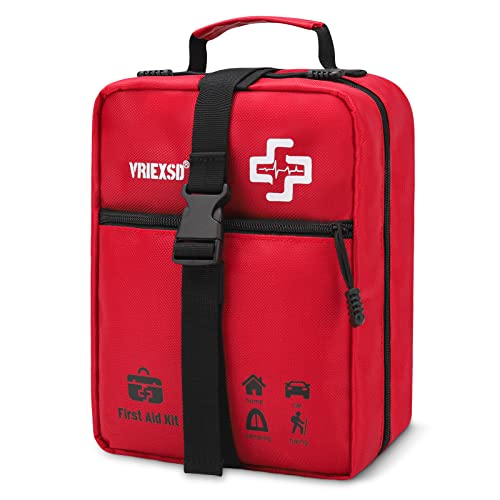
Building a Runner’s Mini First-Aid Kit
A homeopathic kit for a runner does not need to be large. The aim is to cover the mechanisms that most often occur on a route: friction, abrasion, a fall, and a sting or bite. Anything beyond that belongs with a homeopath’s individual prescription rather than a generic bag.
- Cleaning and dressing: saline sachets, sterile gauze, adhesive dressings, blister plasters, and tape. The physical basics come first.
- Arnica montana 30C: the traditional first choice for a bruised, battered, sore feeling after a fall or a long, punishing run.
- Calendula or Hypericum 30C: considered for raw grazes and for wounds in sensitive, nerve-rich areas such as toes and fingertips.
- Ledum palustre 30C: the classical association for puncture wounds from thorns, splinters, or bites, and for tissue that feels cold and is relieved by cold applications.
- Apis mellifica 30C: traditionally considered for puffy, stinging, burning swelling such as an insect sting reaction.
- Rhus toxicodendron 30C: often mentioned for friction damage and for injuries that feel worse in cold, damp conditions.
Homeopaths generally advise keeping remedies away from strong odours — including menthol rubs and camphor — and away from heat, since the tradition holds that these can affect the remedy. A small tin in a side pocket is enough.

★ VIP MEMBERSHIP : Get a Dedicated Homeopath in Your Pocket All Month
Healing chronic issues takes ongoing adjustments. Unlock a full month of direct, 1-on-1 text access to Dr. Sheikh Abdullah for tailored remedy protocols, acute family care, and holistic follow-ups whenever you need them. 100% private written consultations • No video calls required • Cancel anytime.
Start Your Consultation As an Amazon Associate I earn from qualifying purchases.What Actually Prevents Blisters and Chafing
Prevention is largely mechanical, and homeopaths do not claim otherwise. The measures that matter most are the ones a runner can control before starting.
- Shoe fit over shoe brand. A snug heel and a wide toe box reduce shear forces far more than any remedy.
- Two-layer socks. A thin liner under a wicking sock moves friction away from the skin.
- Moisture management. Dry feet and dry fabric reduce both blisters and chafing.
- Early taping. Cover a hot spot the moment it appears rather than waiting for a blister to form.
- Gradual load. Distance and pace increases that outrun the skin’s tolerance are the usual cause of mid-run breakdowns.
- Lubricant in known friction zones. Waistbands, inner thighs, and under straps are the classic sites.
Where a homeopathic remedy fits is in comfort and in the general reaction to the injury — the soreness, the burning, and the slow healing — not in changing physics. That distinction is worth keeping in mind, because it keeps expectations realistic on both sides.
Modalities Worth Noting for a Practitioner
If an injury is not resolving as expected, the details a homeopath will ask about are simple to record in advance.
- Sensation: sore, bruised, raw, burning, stinging, or cold.
- Better from: cold water, warmth, pressure, elevation, or keeping still.
- Worse from: touch, sweat, water, air exposure, or continued activity.
- Timing: immediate, next day, or worse at night.
- Concomitants: swelling, oozing, discolouration, or a general feeling of being unwell.
Adding these few lines to a training log turns a vague complaint into something a practitioner can actually match against the repertory, and it also makes it far easier to tell whether a chosen remedy is changing anything at all.
Frequently Asked Questions
Can homeopathy help a blister from running?
Homeopaths believe a remedy matched to the raw, burning, or bruised quality of the skin can support comfort while the blister heals. This is a belief within the tradition; blister prevention remains mechanical, and good wound care is essential.
Which remedy is used for a cut?
Traditional pictures differentiate by wound type: Staphysagria for clean incised cuts, Calendula for raw open surfaces, Ledum for punctures, and Hypericum for wounds in nerve-rich areas.
Should I use a remedy instead of cleaning a wound?
No. Cleaning, dressing, and assessing the wound comes first. Homeopathic remedies are used alongside that basic care, not in place of it.
What potency is used for acute injury?
Homeopaths commonly describe lower or mid-range potencies such as 6C to 30C repeated while the injury is fresh, with intervals widening as it settles. Higher potencies are usually a practitioner decision.
Can I take a remedy with painkillers?
Homeopaths often suggest a short interval between a remedy and conventional medicine. Do not stop or change prescribed medication without advice from your treating clinician.
Check prices on Amazon
Homeopathic remedies discussed in this article. As an Amazon Associate, this site earns from qualifying purchases.
- Arnica montana – check price
- Rhus toxicodendron – check price
- Cantharis vesicatoria – check price
- Graphites – check price
- Petroleum – check price
- Apis mellifica – check price
- Staphisagria – check price
- Calendula officinalis – check price
- Ledum palustre – check price
- Hypericum perforatum – check price
General educational content; not a substitute for professional medical advice, diagnosis, or treatment. Always consult a qualified clinician for serious or worsening symptoms.