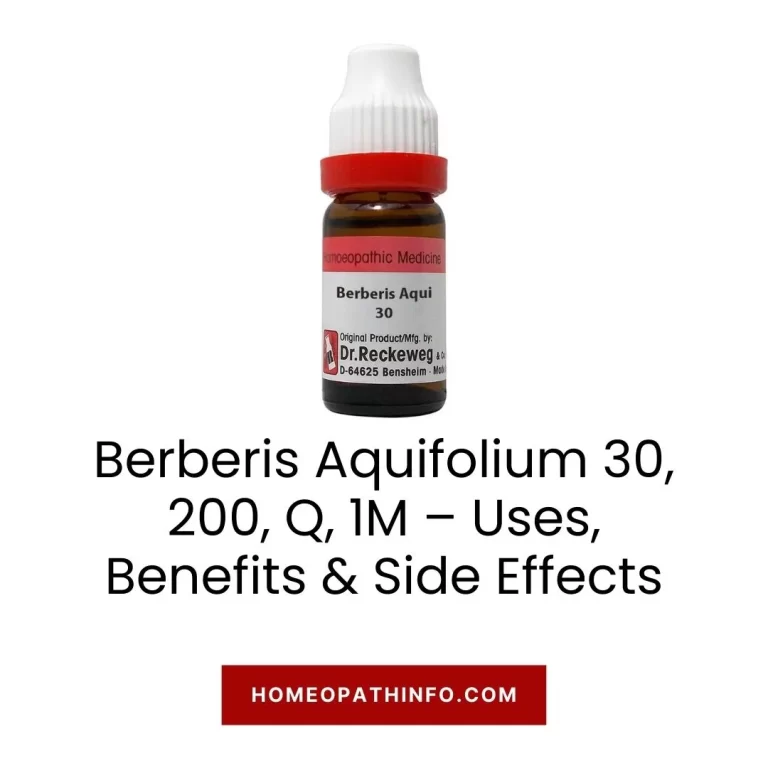
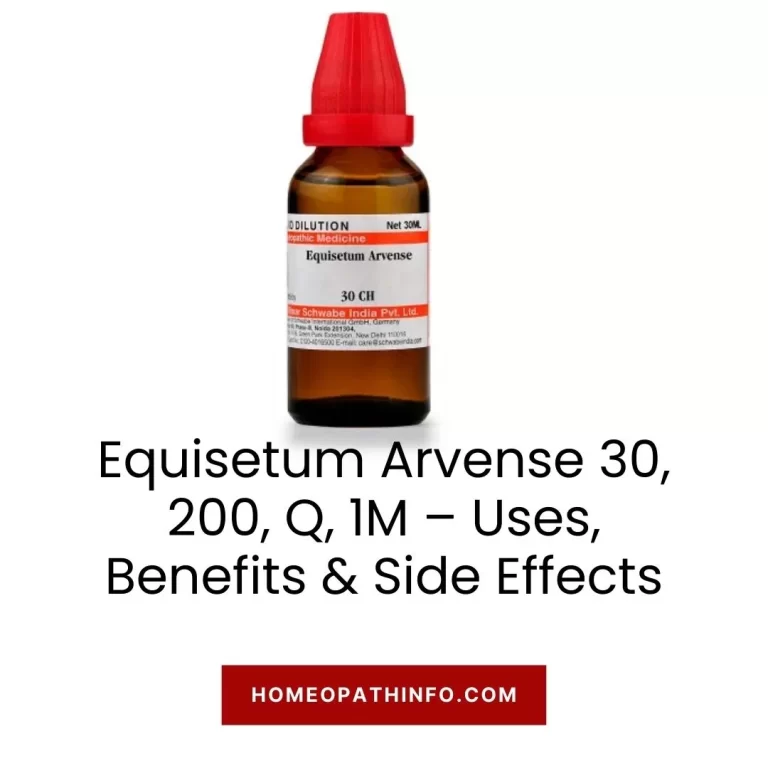
Both approaches are used for skin and respiratory complaints, but they work differently. Essential oils are concentrated plant extracts — usually diluted in a carrier oil for the skin or inhaled as vapour — whose aromatic constituents act on contact or through scent. Homeopathy uses potentized substances chosen by the law of similars to match the whole symptom picture, and supplies no concentrated plant oil. Put briefly: essential oils act through their physical chemistry, homeopathy through individualization and potency. Many people treat them as complementary rather than as replacements for medical care.
In one line: an essential oil is a concentrated aromatic plant extract applied diluted or inhaled; a homeopathic remedy is a dilution-and-succussion preparation chosen by similia similibus curentur to match the person.
What Essential Oils Address
Essential oils are volatile, aromatic extracts obtained from plants. They are used in two broad ways relevant here: topically for the skin, and by inhalation for the respiratory passages. Because they are concentrated, topical use normally involves dilution in a carrier oil such as jojoba or almond oil, and a small patch test is a common precaution. When inhaled — from a diffuser or a bowl of hot water — the volatile compounds reach the nasal passages and airways as vapour.
Skin use
For skin, essential oils are selected for their aromatic and soothing properties and blended into a carrier. Common constituents include linalool and limonene in lavender and citrus oils, and menthol in mint oils, which gives a cooling sensation. The focus is on the local area: the blend is applied to the skin, and effects are understood to come from the oils’ own chemistry rather than from any whole-person assessment.
Deal alert: Prime Big Deal Days is on
Right now on Amazon, Prime Big Deal Days brings Prime Day-level prices with free fast Prime shipping. The discount ends [Sunday] — and popular items sell out early.
Buy From Amazon As an Amazon Associate I earn from qualifying purchases.Respiratory use
For the respiratory system, inhalation is the usual route. Eucalyptol (from eucalyptus) and menthol are familiar for the sense of clearer breathing they create when vapour is breathed in. Aromatic steam inhalation is a long-standing home practice, and diffusers are widely used for a pleasant atmosphere. Importantly, essential oils are not usually swallowed, because concentrated oils can be irritating or toxic if taken internally.
- Topical application for skin, always diluted in a carrier oil.
- Inhalation or steam for the respiratory passages.
- Action attributed to the oils’ aromatic constituents.
- Patch testing advised before wider skin use.
What Homeopathy Addresses
Homeopathy is built on the law of similars — similia similibus curentur. Substances are studied through provings, recorded in a materia medica, and indexed by symptom in a repertory. For skin and respiratory complaints, a practitioner does not simply pick a remedy for “rash” or “cough”; they match the particular quality, timing, and accompanying features of the case, so two people with the same diagnosis may receive entirely different remedies.
Preparation and potency
Remedies are made by dilution and succussion, written on the X and C scales — for example 6X, 30C, or 200C. Mother tinctures are the least-diluted preparations, closer to the original plant, and nosodes are made from biological materials. In homeopathic practice, higher potencies are held to act more deeply, while lower potencies and mother tinctures are often used more locally.
Case-taking and the constitutional remedy
Homeopathic case-taking explores far more than the presenting complaint: the person’s temperament, sensitivities, sleep, and how symptoms change with weather or time of day. The goal may be a constitutional remedy matched to the whole person rather than to the skin patch or the airway alone. Ideas such as miasm and the state of the vital force frame this work, and a brief aggravation after a dose is traditionally read as a reaction rather than a failure.
- Remedy chosen by similarity to the total symptom picture.
- Potencies expressed on the X and C scales, such as 30C or 200C.
- Individualized toward a constitutional remedy.
- Case-taking includes general and emotional features.
Side-by-Side Comparison
Placing the two next to each other makes the contrast clear.
- What is applied: essential oils deliver concentrated aromatic plant constituents; homeopathy delivers potentized preparations.
- How it is chosen: essential oils are picked by plant and property; homeopathic remedies by similia similibus curentur and the individual case.
- Route: essential oils are typically diluted for the skin or inhaled; homeopathic remedies are usually taken by mouth in potentized form.
- Unit of treatment: essential oils address a local area or the airways; homeopathy addresses the whole person through a constitutional remedy.
- Evidence framing: essential oils are discussed through constituent chemistry; homeopathy is assessed as a system and remains contested in mainstream science.
A Common Scenario
Imagine someone with dry, itchy skin on the hands and a tendency to a stuffy nose in cool weather. An essential-oil approach might combine a diluted lavender or chamomile blend for the hands with steam inhalation using a few drops of eucalyptus for the nose. A homeopathic consultation would take a different route: it would ask when the itching is worst, whether warmth or cold helps, how the skin looks, what the person’s general sensitivities are, and how the nose and skin complaints relate. From that larger picture the practitioner might select a constitutional remedy, possibly in a potency such as 30C. The two approaches can be followed at the same time, because one is local and chemical, the other individualized and potentized.
Where They Might Overlap
A person might use a diluted lavender blend on the skin and steam inhalation for the nose, while also consulting a homeopath about the recurring pattern. In homeopathic practice the two are not seen as rivals, since one acts locally through plant chemistry and the other through an individually matched potency. A practitioner generally keeps focused on the person’s own pattern — what makes the complaint better or worse — even when other self-care is in use, and does not adjust a homeopathic remedy simply because an oil is also being applied.
How to Think About Evidence and Claims
Essential oils are usually discussed through their constituent chemistry, and research tends to focus on particular compounds and particular applications. Homeopathy is instead assessed as a whole system, and its claims remain contested and debated in mainstream science; homeopaths maintain that its effects are best judged through individualized practice and long clinical observation. Because of this, readers should be cautious of sweeping promises. Statements such as “this cures skin disease” or “this cures asthma” should be treated with skepticism for both approaches, and contested claims are best understood as beliefs within a tradition rather than settled facts.
Choosing Between Them
When deciding what to try, it helps to separate what each approach is suited to addressing. If the concern is a specific patch of skin or a stuffy nose at a particular moment, a diluted topical or inhaled oil may feel like the simplest first step. If the concern is a recurring pattern that shifts with weather, stress, or time of day, a homeopathic consultation is built around exactly those details. In either case, ordinary medical assessment stays in the picture, and neither option is a reason to delay care for something serious or worsening.
- A local, immediate concern versus a recurring whole-person pattern.
- A diluted topical or inhaled oil versus an oral potentized remedy.
- Chemistry of plant constituents versus individualization by potency.
- Complementary self-care alongside — never instead of — medical evaluation.
Practical and Safety Considerations
Skin and respiratory symptoms can have serious causes, and ongoing or worsening problems need proper medical assessment. Neither essential oils nor homeopathic remedies should be presented as a replacement for diagnosis or necessary treatment. Essential oils should not be swallowed and should be kept away from the eyes and from small children unless a qualified professional advises otherwise; some oils are irritant or photosensitizing. Homeopathic remedies are generally described as gentle, but that does not make them appropriate for self-treating a serious illness. When unsure, consult a qualified clinician.
Frequently Asked Questions
Are essential oils used in homeopathy?
Some homeopathic remedies are prepared from aromatic plants, but the finished remedy is a potentized preparation made by dilution and succussion, not a concentrated oil. So a homeopathic remedy and a bottle of essential oil are different products with different preparation methods.
Can I use both on the same day?
Many people use a diluted essential-oil blend for a local skin or vapour effect while also taking an individually chosen homeopathic remedy. Because they act in different ways, homeopathic practice generally treats them as compatible — but check with a qualified clinician, especially if you take other medicines.
Which is better for a cough or a rash?
There is no single answer, because they address different things. Essential oils act locally through their aromatic constituents, while homeopathy individualizes a remedy to the whole symptom pattern. Response is personal, and persistent symptoms should be medically assessed.
Do homeopathic remedies contain plant oils?
Not in the usual sense. Even when the original substance is a plant, the remedy has been diluted and succussed to a stated potency such as 30C, so it is understood to act by its potentized pattern rather than by carrying concentrated oil.
Are essential oils safe to ingest?
No — essential oils are highly concentrated and are not normally swallowed, because they can irritate or be toxic internally. They are intended for diluted topical use or inhalation unless a qualified professional directs otherwise.
General educational content; not a substitute for professional medical advice, diagnosis, or treatment. Always consult a qualified clinician for serious or worsening symptoms.