In homeopathic practice, New-Year routines and fresh-start wellness are not treated as a marketing moment but as a recognised transitional pattern: a person consciously changes diet, sleep, alcohol and exercise at once, and the body’s reaction to that abrupt change becomes the case. The practitioner takes the picture of what the change produced — headaches, irritability, digestive upset, flat mood, poor sleep — and matches a remedy on the law of similars. Homeopaths hold that this may support the adjustment; habit science, realistic goal-setting and medical care where needed remain the foundations.



The Fresh-Start Transition as a Homeopathic Case
Homeopathic case-taking is interested in change. A symptom that appears after a clearly identifiable shift — stopping coffee, cutting carbohydrates, beginning intense exercise, returning to work after a long break — carries information about how that person’s system responds. Homeopaths call this the causation or exciting cause, and it often narrows the remedy choice quickly.
It is worth separating what is genuinely homeopathic from what is simply good sense. The remedy addresses the individual’s reaction; the routine itself still has to be sustainable.


Patterns People Bring to a Homeopath in January
1. Abrupt Withdrawal Discomfort
Coffee, sugar, alcohol or nicotine reduced overnight can produce headache, irritability, poor concentration and disturbed sleep. Homeopathic sources describe this as a reaction picture rather than a disease.
★ VIP MEMBERSHIP : Get a Dedicated Homeopath in Your Pocket All Month
Healing chronic issues takes ongoing adjustments. Unlock a full month of direct, 1-on-1 text access to Dr. Sheikh Abdullah for tailored remedy protocols, acute family care, and holistic follow-ups whenever you need them. 100% private written consultations • No video calls required • Cancel anytime.
Start Your Consultation As an Amazon Associate I earn from qualifying purchases.2. Over-Committed Exercise
A sudden jump in training volume produces stiffness, soreness, cramps and fatigue — topics covered elsewhere in this series, and a classic acute prescribing situation.


3. Diet Overhaul and the Digestive Response
Abrupt shifts toward high fibre, high protein or low carbohydrate can produce bloating, constipation or loose stools, usually temporary.
4. Pressure, Perfectionism and the “New Me” Trap
The mental picture matters in homeopathy. Rigid all-or-nothing plans often collapse in weeks, and the corresponding emotional state — self-criticism, irritability at being interrupted, or flat discouragement — is exactly the kind of general symptom a homeopath records.


Traditional Remedy Pictures for Transition Symptoms
Headache and Irritability on Withdrawal
- Nux vomica — the classic picture for the over-driven, coffee-and-stimulants person: morning headache, irritability, sensitivity to light and noise, ineffective urges to stool.
- Coffea cruda — over-alert, racing thoughts, inability to settle to sleep; traditionally associated with the effects of excessive coffee.
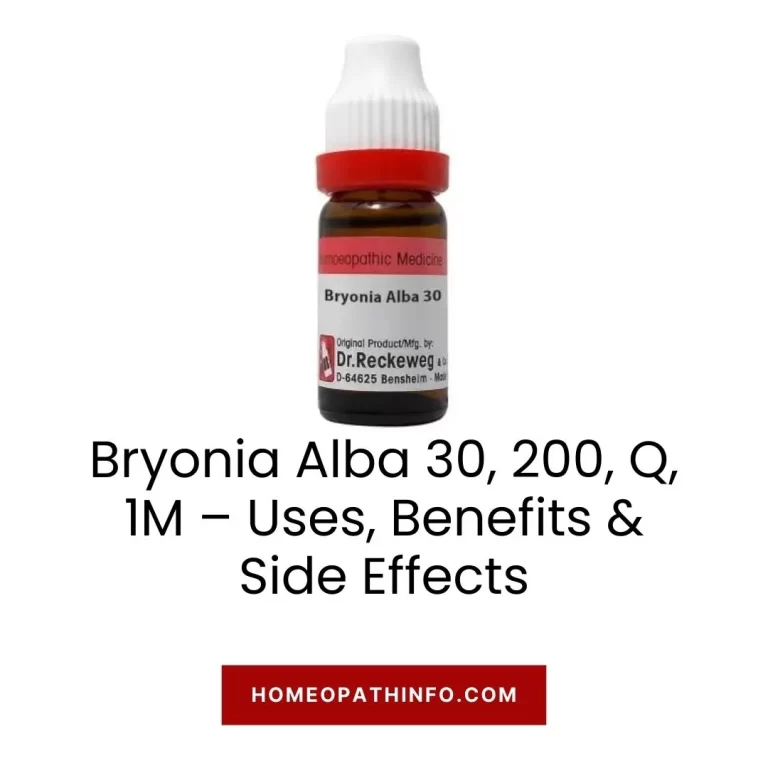
- Bryonia alba — a bursting headache made worse by any movement, with marked dryness and thirst for large cold drinks.
Sluggishness, Heaviness and Low Mood
- Sulphur — heaviness and laziness, burning feet at night, aversion to washing; a traditional deep-acting remedy for the “shut-in” state.
- Natrum muriaticum — low mood with a watery nasal discharge, a craving for salt, and a preference to grieve privately.
- Gelsemium sempervirens — dopey, heavy-limbed dullness with drooping eyelids and anticipatory dread; often described after a period of intense demand.
Digestive Reaction to a Diet Change
- Lycopodium clavatum — bloating that worsens through the afternoon and evening, a quick sense of fullness, and a craving for sweets.
- Carbo vegetabilis — distension with belching and weakness, worse after a heavy meal.
- China officinalis — gas with weakness and a sensation of emptiness after cutting food intake.
Sleep Disruption During the Reset
- Passiflora incarnata — a traditional support for a restless, over-tired but unrefreshed sleep pattern.
- Kali phosphoricum — mental fatigue with nervous exhaustion, described as sleep that does not restore.
A Comparison: Homeopathic Support Versus Habit-Based Approaches
| Question asked | Homeopathic approach | Behaviour-change approach |
|---|---|---|
| What is being treated? | The individual’s reaction to change, recorded in full detail | The habit loop and the environment that triggers it |
| Core tool | A single, individualised potency matched to the totality of symptoms | Small, specific, repeatable actions and consistent cues |
| Timescale | Acute support over days; constitutional work over months | Weeks to months of steady repetition |
| Evidence base | Homeopaths describe their own clinical experience; independent reviews remain sceptical | Extensive behavioural research |
The honest reading is that these are complements. A remedy cannot make an unsustainable plan sustainable, and a good plan cannot remove an individual’s discomfort in the first week.
Dilution, Potency and X versus C Scales
Homeopathic medicines are produced by repeated dilution with succussion. The X scale steps 1 in 10; the C scale steps 1 in 100. A potency such as 6C or 30C is a count of those steps rather than a weight of substance. For acute, clearly caused complaints — the fresh-start picture — home prescribers generally work in low or middle potencies and stop once the picture changes. Constitutional prescribing at higher potencies is properly professional work.
A Realistic Fresh-Start Framework
- Change one or two variables, not ten. Simultaneous overhauls make side effects impossible to interpret.
- Write down the baseline. Sleep hours, energy, digestion and mood on a simple daily scale for a week before changing anything.
- Anticipate the first week. Headache, irritability and gut changes are common and usually settle; knowing this prevents abandonment.
- Keep the essentials non-negotiable. Hydration, sleep timing and gentle daily movement support every other goal.
- If using a remedy, keep a short log. Record modality — better or worse for warmth, food, rest, motion — since that is the data a homeopath needs.
- Set a review point. Reassess at four to six weeks rather than quitting or doubling down on day three.
Red Flags During a Reset
- Fainting, palpitations, or a heart rate that stays abnormally high or low.
- Persistent vomiting, or symptoms of an eating disorder — these require clinical care, not a routine.
- New or worsening low mood with hopelessness, which needs prompt professional support.
- Severe or persistent headache that is unusual in character or onset.
Making the Routine Survive February
Most fresh-start plans are abandoned within weeks. The measures below are the ones that tend to hold.
- Shrink the commitment. A ten-minute daily walk that actually happens beats an hour that does not.
- Attach the new habit to an existing one. Pair it with something already automatic, such as after brushing teeth or after lunch.
- Design the environment. Put the shoes by the door, the fruit on the counter, the phone out of the bedroom.
- Plan for lapses. Decide in advance that a missed day is a normal event, not a failure.
- Track one number only. A single simple metric is easier to keep than a full dashboard.
- Review monthly. Adjust the plan rather than abandoning it.
What a Homeopath Would Record in a Fresh-Start Case
- Timing: exactly when the symptoms began relative to the change in routine.
- General reactions: thirst, appetite, chilliness or heat, sleep quality.
- Mental state: irritability, self-criticism, discouragement, or a driven, restless quality.
- Modalities: what makes the symptom better — warmth, food, rest, motion, fresh air.
- Direction of change: whether the picture is shifting in an orderly way or jumping around.
Those five headings are the substance of a homeopathic case, and they are also a sensible self-monitoring log for anyone changing habits.
Common Traps in the First Month
- Changing everything at once makes it impossible to know what helped or caused harm.
- Extreme restriction produces the very headaches, fatigue and irritability that derail the plan.
- Relying on motivation rather than on a schedule and an environment that make the behaviour easy.
- Ignoring sleep, which undermines appetite regulation, mood and recovery gains.
Where a Remedy Does and Does Not Fit
A homeopathic remedy, in the traditional framing, supports the individual’s reaction to a change. It does not create motivation, build a habit, or replace treatment for a substance dependence or a mood disorder. Homeopaths working well will say the same thing, and will refer on when the picture calls for it.
Why January Fatigue Is So Reliable
The fresh-start slump has a plausible explanation that has nothing to do with willpower. Sleep debt from the holidays, lower daylight in the northern winter, abrupt dietary change, reduced alcohol tolerance, and a return to a demanding routine all land in the same fortnight. Homeopathic sources describe pictures for exactly this combination of heaviness, irritability and poor rest, but the practical response is equally important: get morning daylight, keep a fixed wake time, eat at regular intervals, and increase activity gradually rather than dramatically.


★ VIP MEMBERSHIP : Get a Dedicated Homeopath in Your Pocket All Month
Healing chronic issues takes ongoing adjustments. Unlock a full month of direct, 1-on-1 text access to Dr. Sheikh Abdullah for tailored remedy protocols, acute family care, and holistic follow-ups whenever you need them. 100% private written consultations • No video calls required • Cancel anytime.
Start Your Consultation As an Amazon Associate I earn from qualifying purchases.Recognising that the fatigue is expected and temporary also changes behaviour. People who anticipate a difficult second week are far less likely to abandon a plan that is working.
Frequently Asked Questions
Can a homeopathic remedy make a New-Year resolution stick?
No remedy replaces habit design. Homeopaths describe easing the discomfort of the transition so a person can continue; the behavioural work of building and repeating the habit remains the decisive factor.
Which remedy is most associated with coffee withdrawal?
Nux vomica and Coffea cruda are the pictures most often described, chosen by the specific quality of the headache, the irritability, and the sleep disturbance.
Is it safe to start a remedy while cutting alcohol or sugar?
Homeopathic potencies are not chemically active in the usual sense, so interactions are not the main concern. Sudden alcohol withdrawal in a dependent drinker, however, can be dangerous and needs medical supervision.
How long should I give a remedy before judging it?
For an acute, clearly caused complaint, home prescribers typically reassess within a few days. If the picture is unchanged, the remedy is considered a poor match.
Do homeopaths recommend specific diets?
Homeopathic practice is not a diet system. Practitioners commonly advise avoiding strong flavours such as coffee and mint around dosing, and otherwise support ordinary, sustainable nutrition guidance.
Check prices on Amazon
Homeopathic remedies discussed in this article. As an Amazon Associate, this site earns from qualifying purchases.
- Nux vomica – check price
- Bryonia alba – check price
- Sulphur – check price
- Natrum muriaticum – check price
- Gelsemium sempervirens – check price
- Lycopodium clavatum – check price
- Carbo vegetabilis – check price
- China officinalis – check price
- Passiflora incarnata – check price
- Kali phosphoricum – check price
General educational content; not a substitute for professional medical advice, diagnosis, or treatment. Always consult a qualified clinician for serious or worsening symptoms.