The prostate is a walnut-sized gland that sits below the bladder and surrounds the urethra, and it changes in most men as they age. In homeopathic practice, prostate symptoms are approached through a full case-taking that records the exact urinary pattern — when the stream weakens, how often the man wakes, what relieves or worsens it — and then matches a single diluted, succussed remedy by the law of similars. Homeopathy is offered here as complementary support. Any change in urinary habit in a man over 50 warrants medical assessment, because the symptoms of benign enlargement, infection, and cancer overlap.
What the Prostate Does and What Changes With Age
The gland produces part of the seminal fluid and sits like a ring around the urethra. As men age it commonly enlarges, and because the urethra passes through it, even a modest enlargement changes the flow of urine. Two processes matter most.
- Benign prostatic hyperplasia (BPH) — non-cancerous growth of the gland that gradually narrows the urethra. It is extremely common after 50 and is not cancer.
- Prostatitis — inflammation of the gland, acute or chronic, often with pain and sometimes with fever.
Homeopaths also record which of these patterns the symptoms resemble, because the prescribing picture differs between a slow mechanical change and an inflamed, painful state.
BPH, Prostatitis, and Prostate Cancer — the Crucial Distinction
This distinction is the most important thing on the page. The three conditions can produce similar urinary complaints, and only a clinician can separate them.
Deal alert: Prime Big Deal Days is on
Right now on Amazon, Prime Big Deal Days brings Prime Day-level prices with free fast Prime shipping. The discount ends [Sunday] — and popular items sell out early.
Buy From Amazon As an Amazon Associate I earn from qualifying purchases.- BPH — gradual onset over years: weaker stream, hesitancy, dribbling, night waking. No fever, no bone pain, no blood.
- Prostatitis — pain in the perineum, groin, or lower back, sometimes fever and chills, often a burning or urgent stream. Acute bacterial prostatitis needs antibiotics and urgent review.
- Prostate cancer — frequently silent in the early stage; it may cause the same urinary changes as BPH, or blood in the urine or semen, or bone pain if advanced.
A crisp definition worth remembering: BPH narrows the pipe, prostatitis inflames the gland, and cancer is a growth. They are not variations of one disease, and they cannot be told apart from symptoms alone.
Red Flags That Need Urgent Medical Care
Homeopathy has no role in place of urgent care. Seek medical help without delay for any of the following.
- Unable to pass urine at all, or passing only dribbles with a painful full bladder.
- Blood in the urine or in semen.
- Fever, chills, or severe pain in the pelvis or lower back.
- Bone pain, unexplained weight loss, or a new persistent ache in the hips or spine.
- A urinary change in a man over 50 that does not settle within a couple of weeks.
These need assessment with examination and, where indicated, blood tests and imaging — not a remedy trial.
Homeopathic Case-Taking for Prostate Symptoms
Prostate cases are won or lost on detail, because “urinary trouble” is far too broad to prescribe for. The following areas are explored in most consultations.
- Stream — force, hesitancy at the start, spraying, or a forked stream.
- Frequency — how often by day, and how many times at night.
- Urgency and leakage — a sudden call that cannot be deferred, or post-void dribbling.
- Timing — worse on waking, after standing, before stool, or in cold weather.
- Sensation — burning, a sense of incomplete emptying, pressure, or heaviness.
- Concomitants — sleep quality, digestion, energy, mood, and any emotional keynote.
- Modalities — what makes it better: heat, walking, lying down, or passing stool.
- History — infections, catheterisation, medications, and the man’s own sense of what changed.
The details are matched in the repertory, chiefly the “bladder — urination” and “prostate gland” sections, and then checked against the materia medica. In classical prescribing the remedy must also cover the man’s general pattern, not only his bladder.
Commonly Considered Remedy Pictures
The following are established pictures in homeopathic literature associated with urinary and prostate complaints. They are educational descriptions, not self-prescribing advice.
Frequent urination with prostate enlargement
- Saw palmetto (Serenoa repens) — traditionally associated in homeopathic literature with urinary difficulty and prostate congestion; the same plant is used in herbal, concentrated form, which is a different matter.
- Sabal serrulata — a related traditional picture for difficult, hesitant urination in older men.
Frequent night waking and dribbling
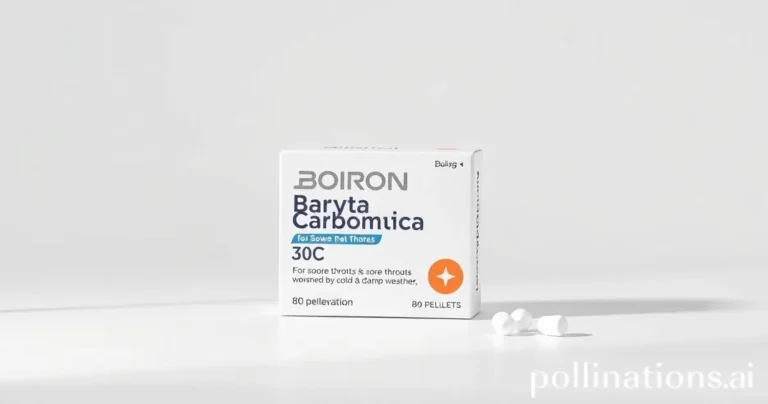
- Baryta carbonica — a constitutional picture in older men with slow physical and mental reactions alongside urinary weakness.
- Conium maculatum — slow, intermittent stream with a sense of incomplete emptying; traditionally associated with glandular enlargement.
- Digitalis purpurea — a traditional keynote of urinary difficulty and a weak, dribbling stream, alongside cardiac themes.
Inflammation, burning, and pain
- Berberis vulgaris — stitching pains radiating from the bladder, with a sensation of urine not fully passed; a classic prostatitis-related picture.
- Cantharis — intense burning and cutting before, during, and after urination; a well-known acute urinary remedy picture.
- Pulsatilla — less severe, changeable urinary complaints in a mild, tearful person who wants reassurance.
These lists are drawn from provings and clinical records and demonstrate the homeopathic principle of matching the whole pattern. They do not demonstrate a treatment effect, and prostate disease of any kind requires medical assessment alongside any complementary approach.
Homeopathy vs. Conventional Prostate Care
- Conventional care includes watchful monitoring for mild BPH, medication to relax the bladder neck or shrink the gland, antibiotics for infection, and surgery where the obstruction is significant. Screening for prostate cancer involves discussion with a clinician about benefits and risks.
- Homeopathic care in its own model uses a single diluted, succussed remedy matched to the man’s urinary pattern and general state, judged over weeks to months.
- Evidence status: homeopathy is not established in mainstream reviews as effective for BPH, prostatitis, or prostate cancer. Reported improvements in practice are individual and unverified.
- Practical arrangement: never delay assessment, and never stop prescribed medication, in order to try a remedy first.
Consider the mechanism in both directions. Conventional treatment acts on the prostate tissue and the smooth muscle of the bladder neck, or on infection. Homeopathy in its own framework acts on the man’s overall symptom pattern. Only one of these has a defined prostate target.
Practical Supports Worth Combining
- Reduce evening fluids. Limit tea, coffee, and alcohol in the three hours before bed to cut night waking.
- Double voiding. After the first stream, wait thirty seconds and try again — a simple habit that reduces the sense of incomplete emptying.
- Empty the bladder before long trips. Plan stops on road journeys rather than hoping for the best.
- Keep the bowels regular. A loaded rectum presses on the bladder, and constipation commonly worsens urinary urgency.
- Stay active. Regular walking supports general pelvic and cardiovascular health.
- Watch the medicines you take. Some cold and allergy remedies worsen urinary retention in older men; check with a pharmacist.
Working With Your Doctor: A Practical Arrangement
Prostate symptoms sit at the junction of complementary and conventional care, and the arrangement matters more than the philosophy. A workable plan looks like this.
- Get a baseline. Before starting anything, have the urinary pattern documented and, where your doctor advises, the relevant blood tests done. A baseline is what makes later comparison honest.
- Keep the diary in parallel. Record night waking and daytime frequency across both approaches, so neither gets credit for the other’s effect.
- Tell both practitioners. Your doctor should know you are taking a homeopathic remedy, and your homeopath should know every prescribed medicine and its dose.
- Never negotiate on the red flags. Blood in the urine, retention, fever, or a new bone pain means medical care that day, not a change of remedy.
- Set a review date. Decide in advance when you will judge the complementary component, and on which measures.
Handled this way, homeopathy in its own framework can be tried without putting the prostate at risk — which is the only arrangement worth recommending.
Frequently Asked Questions
Can homeopathy shrink an enlarged prostate?
No remedy is established to shrink the prostate. Homeopaths report symptomatic improvement in some cases they treat constitutionally, but that is a claim inside the practice, not a demonstrated effect. Medical monitoring remains essential.
Is a night-time urinary change always BPH?
No. Frequency and night waking can also come from diabetes, heart failure, urinary infection, medications, or prostate cancer. That is exactly why the change needs assessment rather than assumption.
Which potency is used for prostate symptoms?
It varies with the case. Acute inflammatory pictures may be matched with frequent low potencies, while long-standing constitutional patterns are often given a single 30C or 200C dose. The C and X scales describe different dilution steps, and higher potencies belong with experienced prescribing.
Can I take a remedy with alpha-blockers or other prostate medication?
Homeopathic remedies are commonly taken alongside conventional medication, but the combination should be discussed with your doctor and homeopath together. Never adjust a prescribed dose on your own.
How long before a remedy trial can be judged?
Homeopaths usually review prostate-related cases over six to twelve weeks with a written record of frequency and night waking. A short few-day trial cannot separate natural fluctuation from any effect.
Check prices on Amazon
Homeopathic remedies discussed in this article. As an Amazon Associate, this site earns from qualifying purchases.
- Baryta carbonica – check price
- Conium maculatum – check price
- Digitalis – check price
- Berberis vulgaris – check price
- Cantharis vesicatoria – check price
- Pulsatilla – check price
General educational content; not a substitute for professional medical advice, diagnosis, or treatment. Always consult a qualified clinician for serious or worsening symptoms.