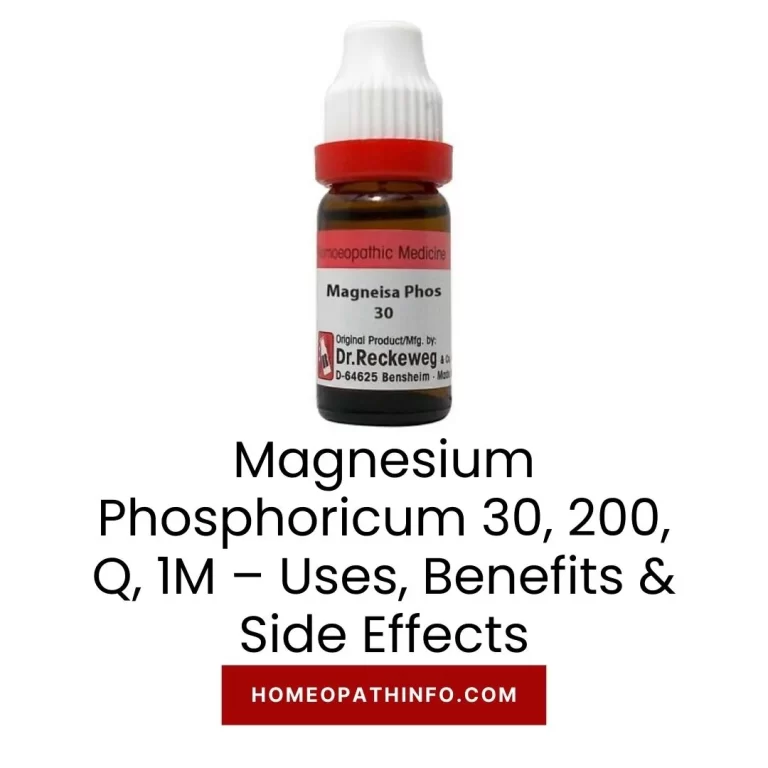
Homeopathic remedies are best stored in their original tightly closed glass vial, in a cool, dark, dry place, well away from strong odours, heat, moisture, and electronics. Homeopaths hold that potentized preparations — substances repeatedly diluted and succussed — are sensitive to the same environmental influences that the tradition lists as antidotes: camphor, menthol, coffee, aromatic oils, and chemical vapours. Practical storage therefore comes down to a short list: a high cupboard away from the kitchen and bathroom, out of direct sunlight, with each remedy in its own labelled bottle and nothing scented stored alongside. A kit kept this way remains usable for years in homeopathic practice; a kit kept next to a camphor rub or above a radiator does not.
Here is what degrades remedies in the homeopathic view, where to keep them, and how to protect a travel kit.
What Homeopaths Say Degrades a Remedy
- Heat. A warm radiator, a car glovebox in summer, or a windowsill in direct sun are the classic offenders. Heat is also the one factor that can physically affect the sugar pellets themselves, making them crumble or stick.
- Light. Prolonged bright light, especially sunlight, is traditionally avoided.
- Moisture. Bathrooms and kitchen sinks create humidity; damp pellets clump and lose their crisp form.
- Strong odours. Camphor, menthol, mothballs, perfume, essential oils, scented candles, cleaning sprays, and strongly aromatic spices. Because pellets are mostly sucrose or lactose, they readily absorb ambient aromas.
- Handling. Fingers with soap, hand cream, or essential oil on them. The tradition prefers tipping a pill into the bottle cap rather than into the palm.
- Electromagnetic and electrical proximity. Some homeopaths advise keeping remedies away from mobile phones, microwave ovens, routers, and power supplies. This is a practice belief rather than a measured effect, and it is easy to accommodate by simply choosing a different drawer.
- X-ray and security scanning. The tradition often advises carrying remedies in hand luggage so they are not subjected to repeated screening, and telling a radiographer if you are holding them.
Where to Keep Them at Home
- Best: a high cupboard in a bedroom or hallway — cool, dark, dry, and out of daily traffic.
- Acceptable: a dedicated drawer or a small wooden box with a lid, kept away from scented items.
- Avoid: the bathroom cabinet (humidity), above a hob or radiator (heat), the fridge door (damp plus food odours), and anywhere near cleaning products.
- Avoid: storing a kit in the same box as toothpaste, cough lozenges, vapour rubs, or perfume.
- Keep labels visible: remedy name and potency written on the cap or the outside of the vial, so nothing has to be opened to be identified.
The Clear Comparison: Homeopathic Remedies vs. Conventional Tablets
- Conventional tablets and capsules are stored according to stability data, often with explicit temperature ranges, and are degraded by heat, moisture, and light in measurable chemical ways. Expiry dates and “store below 25°C” instructions are regulatory requirements.
- Herbal tinctures and extracts contain measurable plant constituents and are usually protected from heat, light, and oxygen; alcohol content affects shelf life.
- Homeopathic pellets have essentially no material dose to degrade in the conventional sense, so the homeopathic concern is about contamination and interference rather than chemical breakdown — plus the physical integrity of the sugar base.
Practically, that means the same good habits serve all three: cool, dark, dry, closed, and away from strong smells.
A Practical Storage Setup for a Home Kit
- One box, one location. A lidded wooden or plastic box with a divider keeps vials upright and separate.
- Label every vial with remedy and potency; add the purchase date only if useful to you.
- Keep a card inside the lid listing what is in the kit and a one-line note of what each remedy is traditionally used for.
- Store nothing edible in the box, and nothing scented near it.
- Check twice a year for crumbling, clumping, or discoloured pellets, and replace anything that looks degraded.
Travel and On-the-Go Storage
- Keep remedies in hand luggage rather than a checked bag, where temperatures swing and screening is repeated.
- A small zip pouch is fine, as long as it contains no scented items and is not next to perfume or a balm.
- Avoid a hot car. If you must leave the kit in a vehicle, insulate it and place it away from the window.
- At the destination, move the kit out of the bathroom and away from the minibar, soap, and air freshener.
- If you are flying, mention remedies at security if they are questioned; declare any liquid mother tinctures in line with the airline and airport rules for liquids.
Signs a Remedy Should Be Replaced
- Pellets that have fused into a solid lump or crumbled to powder.
- A vial that smells noticeably of camphor, mint, perfume, or chemicals.
- Discolouration, or a vial that has been left open in a humid room.
- A bottle that has been contaminated by spillage, fingers, or being used to dispense into food.
- A label that has become illegible, so the name or potency can no longer be confirmed.
Replacement is inexpensive and removes a doubt that would otherwise sit in the background of the case.
Deal alert: Prime Big Deal Days is on
Right now on Amazon, Prime Big Deal Days brings Prime Day-level prices with free fast Prime shipping. The discount ends [Sunday] — and popular items sell out early.
Buy From Amazon As an Amazon Associate I earn from qualifying purchases.Setting Up a Second Kit for Travel or a Second Home
- Use a duplicate kit rather than ferrying your main one back and forth; repeated handling and temperature swings are the enemy.
- Label both kits identically so nothing has to be re-learned under stress.
- Keep a written index card in the lid listing every remedy present and its potency.
- Avoid the glovebox — a car interior in summer is the single most common cause of ruined pellets.
- Restock after every trip and discard anything that looks or smells degraded.
Seasonal and Climate Considerations
Storage advice has to survive real conditions, not ideal ones:
- Humid climates: moisture is the main threat. Keep the vial tightly closed, avoid the bathroom, and consider a sealed box with a desiccant sachet kept separate from the pellets.
- Very hot climates: choose the coolest interior cupboard, well away from external walls and any appliance that throws heat.
- Cold climates: dry indoor heating is less of a problem for pellets than humidity, but keep remedies away from radiators and air vents.
- Monsoon and rainy seasons: inspection matters most here — check for clumping at the start of the season.
- Power cuts and damp storage rooms: move the kit to a living area rather than leaving it in a garage or basement.
What to Do With a Contaminated Kit
- Identify the affected vials by smell and appearance rather than assuming the whole kit is lost.
- Discard the contaminated ones. Pellets cannot be cleaned; they can only be replaced.
- Air the box without scented products, and wipe it with plain water only.
- Replace the lost vials and re-label everything.
- Move the kit to a location away from whatever caused the problem.
Nothing is gained by keeping a doubtful vial. In homeopathic practice, a clean and confident kit is part of good case management, because uncertainty about the remedy undermines confidence in the whole plan.
Small Habits That Protect a Kit Over Years
Most damaged kits are damaged gradually rather than in one incident. Three habits prevent the majority of problems. First, never leave a vial open while you count pills — pour into the cap, tip back the surplus, and close it. Second, put the kit away after every use rather than leaving it on the kitchen counter, where steam and cooking aromas do their work. Third, resist adding a new scented product to the drawer, because the drawer tends to fill up with whatever does not have another home. A kit that is used and returned, closed and inspected, will outlast several that are simply stored somewhere convenient.
Frequently Asked Questions
Can I keep homeopathic remedies in the fridge?
Homeopaths generally advise against it. Fridges are damp, often strongly scented by food, and are opened frequently. A cool, dark cupboard is the usual recommendation.
Do I have to keep them away from my phone?
Some practitioners recommend it as a precaution; others regard it as unnecessary. Since it costs nothing, keeping the kit in a different drawer from your phone charger is a reasonable compromise.
Is it a problem to store different remedies together?
No, as long as each is tightly closed in its own labelled vial. The concern is about aromatic contamination between open or leaky containers, not about two sealed bottles sitting side by side.
How long can a properly stored remedy be kept?
Homeopaths regard well-stored pellets as usable for many years, because the label refers to the potency rather than to a degrading active ingredient. Replace anything that is physically damaged or smells contaminated.
What if my child has opened the vial and played with the pills?
Discard that vial rather than trying to salvage it. Handling and environmental exposure both degrade the pellets, and the dose can no longer be relied upon.
General educational content; not a substitute for professional medical advice, diagnosis, or treatment. Always consult a qualified clinician for serious or worsening symptoms.