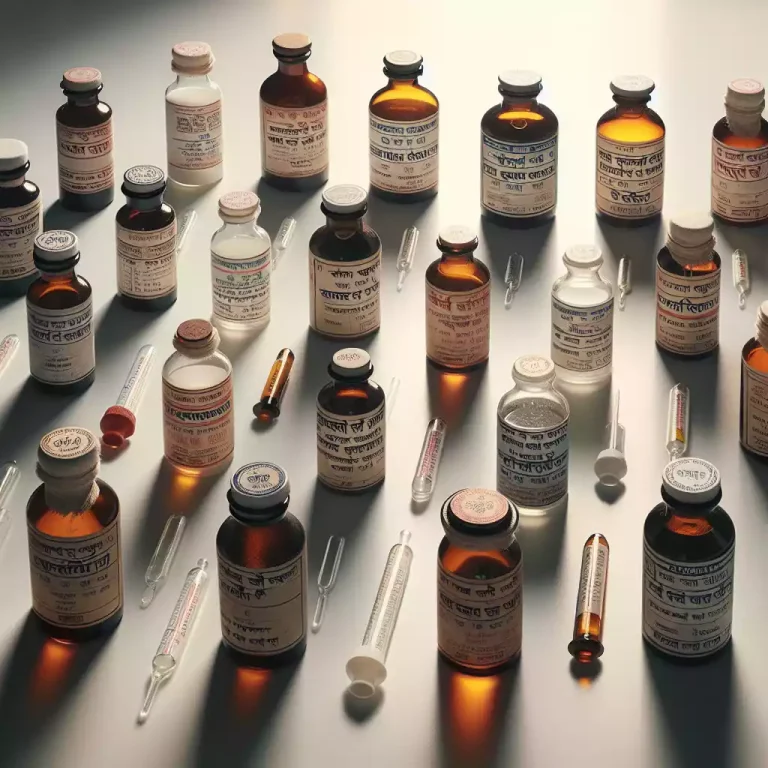
The safest place to buy genuine homeopathic remedies is a licensed pharmacy, a homeopathic clinic’s own dispensary, or a manufacturer’s official sales channel — because those supply chains are traceable and the product labels carry a named manufacturer, a declared potency, a batch number, and an expiry date. There is no single global certificate that proves a remedy is genuine; authenticity is shown by the paper trail behind the bottle. That is why homeopaths and pharmacists care more about how a product was sourced than about clever packaging. This guide sets out where the reliable channels are, what a legitimate label must contain, and the specific signs that a product has been repackaged, mislabelled, or counterfeited.
Where Genuine Remedies Come From
Homeopathic medicines are manufactured to published pharmacopoeial standards, and they move through a short chain: maker, distributor or pharmacy, patient. The shorter and better documented that chain is, the better your position.
- Licensed or registered pharmacies. Pharmacies that stock homeopathic lines generally hold batch records and rotate stock to expiry. This is the default recommendation.
- Homeopathic clinics and dispensaries. Many practitioners dispense remedies themselves from bulk stock, and can tell you the manufacturer, the potency, and how the vial has been stored.
- Brand-authorised retailers and official online stores. Buying direct from the maker’s own channel removes the grey-market question entirely.
- Reputable health stores. Acceptable for well-known single remedies and kits, provided the package carries full labelling and the store can tell you who made it.
Conversely, the highest-risk sources are the most anonymous ones: unbranded vials sold loose, single pellets decanted into unlabelled envelopes, and listings that show a photograph of a pile of pills with no manufacturer anywhere on the pack.
What a Legitimate Label Contains
Homeopathic labelling is the practical anti-counterfeit tool you actually have. A properly made product declares:
Deal alert: Prime Big Deal Days is on
Right now on Amazon, Prime Big Deal Days brings Prime Day-level prices with free fast Prime shipping. The discount ends [Sunday] — and popular items sell out early.
Buy From Amazon As an Amazon Associate I earn from qualifying purchases.- The remedy name, ideally in Latin (the convention in homeopathic materia medica), plus a common name.
- The potency with its scale — for example 30C or 6X. Potency notation is not optional decoration; it is the identity of the medicine.
- The form and quantity — pellets, tablets, or drops, and how many.
- The manufacturer’s name and address, not just a distributor.
- A batch or lot number, so a maker can trace the exact production run.
- An expiry date or best-before.
- Carrier information — lactose, sucrose, wheat starch, alcohol percentage — which matters for allergies and diet.
- The standard the product was prepared to, where the market requires it.
How to Spot a Fake or a Repackaged Product
Counterfeiting in this category is less often about expensive forgeries than about relabelling and repackaging — a plain bottle refilled, or a low potency sold as a high one. Watch for these patterns:
- No potency anywhere on the pack. The single strongest warning sign.
- No manufacturer, only a marketplace name. Legitimate makers put their name on the product.
- Batches and dates that rub off, or are printed on a sticker applied over an older print.
- Loose pellets in a plain plastic bag, or remedies decanted from bulk containers into unlabelled vials at the point of sale.
- Print inconsistencies — misspelled Latin names, mixed fonts, missing accent marks in German or Latin text.
- Vague or exaggerated claims on the outer packaging, such as promising to cure named diseases. Reliable homeopathic products describe intended use cautiously and do not claim cures.
- Prices that are implausibly low for a high-potency single remedy, or implausibly high “premium” pricing with no extra information.
- No answer to basic questions. If a seller cannot name the manufacturer and the pharmacopoeia, do not buy.
Buying Online Safely
Online purchasing adds one risk that shops do not have: you cannot smell the packaging or check the seal. Reduce the risk with four habits:
- Buy from the maker or an authorised retailer rather than from an unverified marketplace listing.
- Read the full ingredient panel and confirm every potency is listed, including in combination products.
- Prefer sellers who publish batch and expiry information, and who describe storage and shipping conditions.
- Check import rules for your country. Homeopathic medicines are regulated differently across borders, and a legally sold product in one country may be restricted in another.
Storage and Handling Once It Arrives
Authenticity does not survive poor handling. Homeopathic remedies are traditionally kept away from strong smells, heat, and light, and away from aromatic substances such as camphor, menthol, and essential oils. Keep vials closed, do not decant remedies into reused containers, and never let multiple remedies share an unsealed container, because pellets readily take on surrounding aromas.
What Genuineness Does Not Guarantee
A perfectly genuine remedy is still just one input into a case. Its selection depends on matching the symptom picture, which homeopaths call the law of similars. A real product given for the wrong picture is not a cure, and no source of purchase guarantees response. Homeopathy is used as a complementary approach, not a replacement for medical care, and genuine products do not exist that treat a disease regardless of the individual.
Questions to Ask Before You Buy
A short, firm script works in any pharmacy or online chat:
- Who manufactures this? A real maker’s name should be on the pack, not just a marketplace brand.
- What potency is it, and on which scale? If the answer is vague, walk away.
- Which pharmacopoeia is it prepared to? This is the standard behind the bottle.
- Can I see the batch number and expiry date? Both should be printed on the pack, not written by hand on a label.
- How is it stored here? Heat, light and strong smells are the traditional enemies of homeopathic remedies.
- Is it a single remedy or a combination? Combination products should list every ingredient with its potency.
Two minutes of questions eliminates most counterfeits and repackaged products, because fakes are built to survive a glance, not an enquiry.
What to Do If You Suspect a Fake
- Stop using it. An unverified product may contain the wrong substance, the wrong potency, or none of what the label claims.
- Keep the packaging — label, batch, receipt — so the problem can be reported accurately.
- Report it to the seller and, where applicable, to the local medicines or consumer authority that regulates the product category.
- Do not throw it into your remedy kit. A mislabelled vial can be confused with a genuine remedy later, which is a prescribing hazard in its own right.
- Check your other purchases from the same source, since counterfeits move in batches.
Genuine Products, Grey Markets, and Local Rules
Even a genuine remedy can reach you through an improper channel. Resale of clinic stock, import from a country where the product is sold under a different regulatory category, and repackaging by intermediaries all break the traceability that makes a product trustworthy. Three habits keep you on solid ground:
Buy through a licensed pharmacy, a clinic dispensary, or the maker’s own channel. Keep the batch number with your remedy notes, so if you ever need to check a product you can. And where local law classes homeopathic medicines differently from supplements, buy the category that matches how you intend to use it — a medicine-grade product for therapeutic use, a supplement-grade product only as a supplement.
Spotting a Repackaged Remedy in Your Own Kit
Counterfeits do not only arrive from sellers; they also accumulate at home. Home remedy kits drift out of order as vials are refilled from bulk stock, labels fade, and remedies from different makers end up in the same box. A few minutes of housekeeping protects your prescribing notes:
- Retire unlabelled vials. Once a pellet container loses its name and potency, it cannot be used safely or referenced in a case record.
- Never top up a labelled vial from another bottle. If two remedies are mixed by accident, the vial is no longer a single remedy.
- Keep batch and expiry data with your notes for anything you might need to check later.
- Store remedies away from strong smells — camphor, menthol, essential oils and household cleaners, and out of hot, bright places.
- Replace anything past its date rather than trusting it for an important acute case.
Traceability is the whole principle behind buying from genuine channels, and it is undone quickly by an untidy kit. Homeopathic practice depends on knowing exactly which remedy, in which potency, was taken and when — that record is what lets a practitioner judge whether a prescription is working.
Frequently Asked Questions
Can I tell a fake remedy by taste or smell?
No. Pellets and tablets are mostly carrier — sugar, lactose, or starch — so taste and smell tell you almost nothing about the remedy or its potency. Rely on the label, the batch data, and the seller.
Are remedies sold at markets or by informal sellers safe to use?
There is no way to verify source, potency, or storage, and unlabelled products cannot be traced if something goes wrong. Avoid them.
Do homeopathic remedies really expire?
Manufacturers apply expiry dates and the tradition generally holds that potency degrades with time, heat, and exposure. Once past the stated date, treat the remedy as unreliable rather than certainly inactive.
Is buying from abroad a problem?
It can be. Export, import, and labelling requirements differ by country, and parcels may be held. Buying locally from a traceable channel avoids both legal and quality questions.
How do I check a seller is legitimate?
Ask three questions: who manufactures the product, what pharmacopoeia it is prepared to, and whether they can provide batch and expiry details. A legitimate seller answers all three immediately.
General educational content; not a substitute for professional medical advice, diagnosis, or treatment. Always consult a qualified clinician for serious or worsening symptoms.