A tweaked back after lifting a heavy box, a stiff lower back after a long drive or a damp day in the garden, an ache that makes it hard to get out of bed in the morning: back pain is one of the most common reasons people turn to homeopathy. Two remedies come up again and again, Arnica montana and Rhus toxicodendron (“Rhus tox”). Both are staples of the homeopathic kit, but they are matched to very different pictures. Knowing the difference is the key to choosing well.
This guide describes homeopathic tradition and practice. It is not a claim of proven medical efficacy, and it does not replace assessment of back pain that is severe, persistent or accompanied by warning signs.
The homeopathic approach to back pain


Homeopathy is built on the principle of similars: a substance that produces certain symptoms in a healthy person is used, in a highly diluted and prepared form, for a person showing a similar symptom picture. For back pain, homeopaths do not simply ask where it hurts. They ask how it started (a strain, a fall, cold and damp, long sitting), what it feels like (bruised, stiff, tearing, burning), and above all what makes it better or worse: movement, rest, warmth, cold, pressure, time of day.
Those “modalities” are what separate Arnica from Rhus tox.
Arnica montana: the remedy for the bruised, beaten back


Arnica, made from the mountain daisy also known as leopard’s bane, is the best-known homeopathic remedy for injury and trauma. For the back, it is traditionally chosen when pain follows a blow, a fall, a wrench or heavy overexertion.
★ VIP MEMBERSHIP : Get a Dedicated Homeopath in Your Pocket All Month
Healing chronic issues takes ongoing adjustments. Unlock a full month of direct, 1-on-1 text access to Dr. Sheikh Abdullah for tailored remedy protocols, acute family care, and holistic follow-ups whenever you need them. 100% private written consultations • No video calls required • Cancel anytime.
Start Your Consultation As an Amazon Associate I earn from qualifying purchases.The Arnica back picture:
- Pain that began after an injury, a fall, a heavy lift or a day of hard physical work
- A sore, bruised, “beaten” feeling in the muscles of the back
- The back is too tender to touch, and the person may say the bed feels too hard
- Pain that is worse for movement and for jarring, and the person wants to be left alone
- Soreness all over, as if bruised, often with a tired, shaken-up feeling
Rhus toxicodendron: the remedy for stiffness that loosens with movement


Rhus tox is made from poison ivy. Its homeopathic reputation is built on stiff, aching, rheumatic-type pain, and it is one of the most frequently used remedies for back stiffness. It is traditionally chosen when the key feature is stiffness that is worst on first movement and eases as the body warms up and keeps moving.
The Rhus tox back picture:
- Stiffness and pain in the lower back that is worst on first rising, in the morning, or after sitting for a long time
- Gradual easing with continued, gentle movement and walking about
- Relief from warmth: a hot bath, a heating pad, warm applications
- Worse for cold, damp weather and for getting chilled or wet
- Restlessness: the person cannot get comfortable and keeps shifting position
- Often triggered by overexertion, straining a muscle, lifting, or getting soaked
- Pressure on the area is often eased by firm pressure or rubbing
Arnica or Rhus tox? A side-by-side guide


| Arnica montana | Rhus toxicodendron | |
|---|---|---|
| Source | Mountain daisy (leopard’s bane) | Poison ivy / poison oak |
| Typical trigger | Injury, blow, fall, heavy lifting, overexertion | Overexertion, damp and cold, long periods of sitting or lying still |
| Typical sensation | Sore, bruised, as if beaten | Stiff, tight, achy |
| Movement | Painful on movement; wants to be left alone | Worse on first movement; better as the back warms up and keeps moving |
| Rest | Rest is sought, but the bed feels too hard | Worse after rest; restless and keeps changing position |
| Touch and pressure | Too sore to touch | Often eased by firm pressure and rubbing |
| Temperature | Variable | Better for warmth, worse for cold and damp |
| Time of day | After the injury | Worst in the morning and on first rising |
A note on Bryonia



Homeopaths often contrast Rhus tox with a third remedy, Bryonia. Where Rhus tox is for the back that loosens up with movement, Bryonia is for the back that is worse for the slightest motion and better for lying still and firm pressure. If movement makes your back clearly worse and rest brings relief, the picture may lean toward Bryonia rather than Rhus tox. A qualified homeopath can help you tell them apart.
Using them in sequence
Because Arnica and Rhus tox are matched to different pictures, they are not always used together. A common pattern is Arnica first in the immediate aftermath of a strain or injury, when the back feels bruised and sore, then Rhus tox if the bruised soreness settles and morning stiffness and a need to keep moving become the main features. Potency and frequency vary by practitioner and product, so follow the label or the guidance of a qualified homeopath.
Forms: pellets, gels and creams


- Pellets or tablets are the classic form for internal use, dissolved under the tongue as directed on the label.
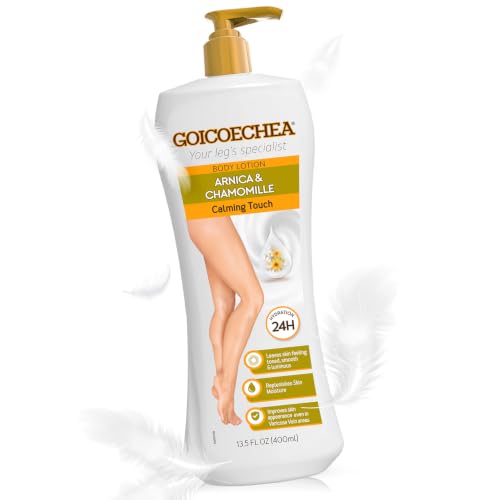
- Arnica gel or cream is popular for rubbing into sore muscles. Apply it only to unbroken skin and stop if irritation develops.
- Rhus tox gels or ointments are also available. Check the label for how the product is made, since Rhus tox comes from poison ivy and a product that is not highly diluted can irritate skin.
Safety notes
- Rhus tox comes from poison ivy/oak. Highly diluted pellets are different from the plant, but avoid low-dilution tinctures, creams or ointments unless advised by a qualified practitioner, and never handle the raw plant.
- Arnica. Do not apply arnica products to broken skin, and do not take raw arnica herb or tincture by mouth. Stop use if a rash develops.
- Check the dilution on the label. A product that is not diluted enough can cause side effects or interactions.
- Pregnancy, breastfeeding, children and anyone on prescription medicines or blood thinners should check with a doctor or pharmacist before using a new product.
- Stop and seek advice if symptoms persist beyond a few days or get worse, as most remedy labels advise.
Supporting your back
Homeopaths generally encourage sensible back care alongside remedies. Most episodes of ordinary back pain improve within weeks, and staying gently active tends to help more than prolonged bed rest. Keep up your normal activities as pain allows, walk regularly, use gentle stretching, and apply warmth to stiff muscles if it feels good. Group exercise programs, physiotherapy, massage and approaches that address stress and sleep are all commonly recommended for persistent back pain.
When back pain needs a doctor
Seek urgent medical care if back pain comes with any of the following:
- Numbness around the genitals, buttocks or inner thighs (saddle numbness), or new difficulty controlling the bladder or bowels
- Weakness or pain spreading down both legs
- Fever, a recent infection, or feeling generally unwell
- Back pain after a significant fall, accident or blow
- Sudden severe pain in the middle of the spine, especially in older adults
- Unexplained weight loss, a past history of cancer, or a first episode of back pain after age 50
See a doctor as well if the pain is not improving after four to six weeks, keeps coming back, or is getting steadily worse.
Quick selection guide
- Did the pain begin after an injury, fall or heavy strain, and does the back feel bruised and too sore to touch? Arnica is the traditional first choice.
- Is the main feature stiffness that is worst on first movement or in the morning and eases as you keep moving, better for warmth, worse for cold and damp? This fits the Rhus tox picture.
- Is the back worse for any movement and better lying still? The picture may lean toward Bryonia instead.
- Not sure? Consult a qualified homeopath, who can match the remedy to your whole symptom picture.
Bottom line



In homeopathic practice, Arnica and Rhus tox answer different questions. Arnica is for the bruised, beaten back that follows a blow, a fall or a heavy strain. Rhus tox is for the stiff back that is worst on first movement and loosens as you keep going, especially in cold, damp weather. Match the remedy to the pattern of your symptoms, pair it with gentle activity and sensible back care, respect the safety notes, and see a doctor promptly if any warning signs appear or the pain does not improve.
Claims are based on traditional homeopathic practice. This article is for general information and is not medical advice. Consult a qualified healthcare professional about severe, persistent or recurring back pain.
Frequently Asked Questions
Is Arnica or Rhus tox better for back pain?
In homeopathic practice, it depends on the symptom picture. Arnica is chosen for a bruised, sore back after an injury or strain. Rhus tox is chosen for stiffness that is worst on first movement and eases with continued movement and warmth.
★ VIP MEMBERSHIP : Get a Dedicated Homeopath in Your Pocket All Month
Healing chronic issues takes ongoing adjustments. Unlock a full month of direct, 1-on-1 text access to Dr. Sheikh Abdullah for tailored remedy protocols, acute family care, and holistic follow-ups whenever you need them. 100% private written consultations • No video calls required • Cancel anytime.
Start Your Consultation As an Amazon Associate I earn from qualifying purchases.Can Arnica and Rhus tox be used together?
Homeopaths sometimes use them one after the other, with Arnica first after a strain or injury and Rhus tox if stiffness that eases with movement becomes the main feature. Follow the product label or a qualified homeopath for potency and frequency.
Is Rhus tox safe, given that it comes from poison ivy?
Highly diluted homeopathic preparations are different from the plant, but you should avoid low-dilution tinctures and creams unless advised by a qualified practitioner, check the dilution on the label, and never handle the raw plant. Ask a doctor or pharmacist first if you are pregnant or taking prescription medicines.
When should back pain be checked by a doctor?
See a doctor urgently for saddle numbness, bladder or bowel changes, weakness in both legs, fever, back pain after significant trauma, or sudden severe central spinal pain. See a doctor too if pain has not improved after four to six weeks.