A mother tincture is the concentrated liquid plant extract from which homeopathic dilutions are prepared. It is the starting point of the dilution-and-succussion process: fresh or dried botanical material is macerated in a mixture of alcohol and purified water, pressed, and filtered to produce a stock liquid. In homeopathic pharmacy a mother tincture is marked with Q, MT, or the Greek letter θ, and unlike a diluted potency it still contains measurable plant material. Homeopaths hold that a relatively small group of mother tinctures accounts for most day-to-day use, and the notes below describe those traditional uses as they appear in materia medica literature — not as proven pharmaceutical claims.


How a Mother Tincture Fits Into Homeopathic Pharmacy
Homeopathy rests on the law of similars — similia similibus curentur, “like cures like” — the principle that a substance which produces a set of symptoms in a healthy person may, when prepared homeopathically, be used to address a similar symptom picture. A mother tincture sits at the very first step of that preparation chain.
The path runs like this:
- Plant material is harvested and macerated in alcohol and water.
- The expressed liquid becomes the mother tincture (Q / MT).
- One part tincture plus nine parts diluent gives a 1X (decimal) potency; one part plus ninety-nine gives a 1C (centesimal) potency.
- Each step is followed by succussion — vigorous rhythmic shaking — which is what distinguishes a homeopathic potency from a simple dilution.
- Repeating the process produces higher potencies such as 6C, 30C, 200C, 1M, and beyond.
Because a mother tincture is still a botanical extract, it behaves much more like a herbal preparation than like a 30C potency. That is the single most important practical distinction in this whole article.

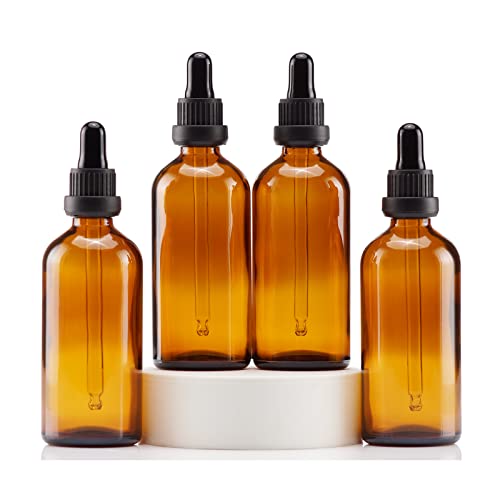

Mother Tincture vs. Diluted Potency: A Clear Comparison
- Material content: a mother tincture contains plant constituents; a high potency contains essentially none.
- Strength relationship: higher potency numbers do not mean a stronger chemical dose. In homeopathic thinking, potency is about dynamisation, not concentration.
- Typical traditional use: mother tinctures have traditionally been used for external application or short-term internal support; diluted potencies are the backbone of constitutional and acute prescribing.
- Storage burden: tinctures are bulkier, alcohol-based liquids with a limited shelf life; potency globules or pills travel easily.
- Regulatory framing: in many markets a mother tincture is treated closer to a botanical product, while ultra-high potencies are treated as homeopathic medicines.
A useful one-line definition: a mother tincture is the undiluted botanical starting stock; a potency is what that stock becomes after repeated dilution and succussion.
★ VIP MEMBERSHIP : Get a Dedicated Homeopath in Your Pocket All Month
Healing chronic issues takes ongoing adjustments. Unlock a full month of direct, 1-on-1 text access to Dr. Sheikh Abdullah for tailored remedy protocols, acute family care, and holistic follow-ups whenever you need them. 100% private written consultations • No video calls required • Cancel anytime.
Start Your Consultation As an Amazon Associate I earn from qualifying purchases.Commonly Used Mother Tinctures and Their Traditional Uses
The list below reflects how these tinctures are described in homeopathic materia medica and clinical tradition. Where the evidence base is thin or contested, the claim is presented as a homeopathic belief rather than an established fact.

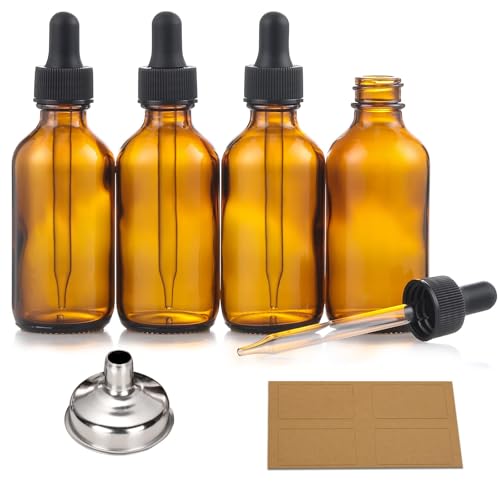

Trauma and Tissue Tinctures
- Arnica montana (Q) — the best-known of all. Traditionally applied externally after knocks, bruises, and muscular strain. Arnica is often called the “trauma remedy” in homeopathic practice.
- Calendula officinalis (Q) — traditionally used on grazes, cracked skin, and slow-healing minor wounds, commonly diluted in water as a wash.
- Hypericum perforatum (Q) — traditionally associated with injuries involving nerve-rich areas such as fingers and toes, and with after-pain following a wound.
- Hamamelis virginiana (Q) — traditionally applied to achy, tired legs and to minor bleeding or fragile surface vessels; often used as a local wash.
- Bellis perennis (Q) — traditionally used for deeper soft-tissue bruising, especially after more forceful injury.
- Rhus toxicodendron (Q) — traditionally applied to stiff, overused joints and muscular soreness that eases with continued movement.
Skin and Mucous-Membrane Tinctures
- Thuja occidentalis (Q) — classically linked to wart-like and rough skin growths in homeopathic tradition.
- Berberis aquifolium (Q) — traditionally used for dull, blotchy, or rough facial skin.
- Hydrastis canadensis (Q) — traditionally linked to thick mucous discharges and low-grade catarrh.
- Echinacea purpurea (Q) — traditionally used as a short-term supportive wash for minor skin problems.
Digestive and Systemic Tinctures
- Chelidonium majus (Q) — classically associated with right-sided digestive heaviness and bilious patterns.
- Taraxacum officinale (Q) — traditionally linked to sluggish digestion and a thick, coated tongue.
- Urtica urens (Q) — traditionally associated with burning skin irritation and nettle-rash patterns.
- Passiflora incarnata (Q) — traditionally used for restlessness and difficulty settling.
These pairings are descriptive, not proven. A mother tincture that is used topically should generally be diluted in water first, because the alcohol content and the plant constituents can both be irritating on broken skin.
Why the “Same Remedy, Two Forms” Idea Matters
Arnica is the clearest illustration. Homeopaths may reach for Arnica 30C as a potency after a fall, or Arnica mother tincture diluted in water as a topical wash. The name is the same; the preparation, dosage logic, and intended route are not. Confusing the two is one of the most common consumer mistakes — and it is a mistake that flows in both directions, because a person who has only ever used a 6C potency may not realise that a Q-strength liquid is a far more concentrated botanical preparation.


Practical Safety Framing
Because mother tinctures contain actual plant material and alcohol, they sit in a different safety conversation from high potencies. Homeopathic practice generally treats them as short-term, low-complexity tools rather than a long-term plan, and does not use them as a replacement for medical assessment. Anyone who is pregnant, breastfeeding, giving a remedy to a child, managing a chronic condition, or taking prescription medicine should treat mother tinctures the same way they would treat any botanical product and speak to a qualified clinician first.
Other Mother Tinctures You May See on the Shelf
Beyond the household names, homeopathic pharmacies stock a much longer list. The tinctures below appear regularly in materia medica descriptions and in practitioner catalogues, even though they are less likely to be the first bottle a beginner buys.
- Bellis perennis — traditionally linked to deep bruising and soft-tissue soreness, especially where the injury feels more internal than surface.
- Ruta graveolens — classically associated with overstretched tendons, ligaments, and the “bruised periosteum” feeling after a knock on bone.
- Symphytum officinale — traditionally connected with injuries involving bone and with slow-healing joint trauma.
- Ledum palustre — historically linked to puncture wounds and to joints and tissues that feel better for cold applications.
- Baptisia tinctoria — classically associated with a heavy, dull, headachy state during a low-grade illness.
- Ceanothus americanus — traditionally linked to left-sided abdominal fullness and sluggish spleen-liver patterns.
- Crataegus oxyacantha — traditionally connected with a weak, irregular, or anxious-feeling heart action.
- Carduus marianus — classically associated with a congested, bilious liver-gut picture; a close cousin to Chelidonium in homeopathic descriptions.
- Berberis vulgaris — traditionally linked to radiating flank and lower-back discomfort.
- Solidago virgaurea — classically associated with scanty, burning urinary patterns.
- Avena sativa — traditionally used for nervous exhaustion and a “worn out” feeling.
- Scutellaria lateriflora — historically linked to restlessness and an overactive, chattering mind at night.
Two practical observations apply to this longer list. First, many of these tinctures are described for patterns that a homeopath would normally treat with a potency rather than a Q-strength liquid, because the selection depends on the whole case. Second, several of the plants involved carry herbal-literature cautions, which is one more reason homeopathic practice keeps tincture use short-term and practitioner-directed.
How Tincture Use Differs Across Homeopathic Traditions
The same bottle can be handled quite differently depending on where the practice was learned. Three broad traditions are worth knowing about, because they explain why advice about mother tinctures often contradicts itself between countries.
The European Tradition
German and French homeopathic pharmacy developed rigorous specification for mother tinctures: defined plant part, defined harvest point, defined alcohol strength, and a standard maceration period. In this tradition the tincture is treated as a precisely standardised starting material, and its use is documented in pharmacy monographs rather than in casual household advice.


★ VIP MEMBERSHIP : Get a Dedicated Homeopath in Your Pocket All Month
Healing chronic issues takes ongoing adjustments. Unlock a full month of direct, 1-on-1 text access to Dr. Sheikh Abdullah for tailored remedy protocols, acute family care, and holistic follow-ups whenever you need them. 100% private written consultations • No video calls required • Cancel anytime.
Start Your Consultation As an Amazon Associate I earn from qualifying purchases.The Subcontinental Tradition
Homeopathy has a very large following across South Asia, and in that tradition the Q potency is used far more freely and far more commonly than in Europe. Mother tinctures are routinely described in drops-in-water form, in defined courses, and alongside constitutional prescribing. A reader who learned about tinctures in one region may be surprised by how much more routine their use is in another.
The North American Tradition
North American practice tends to be more potency-centred, with mother tinctures most often encountered in topical first-aid and in the “tissue” and external-wash context rather than as a routine internal remedy.
A crisp way to hold the difference: the tincture is the same preparation everywhere, but the tradition you are reading in determines how it is dosed, for how long, and by which route. When advice conflicts, the likely reason is a difference in tradition rather than a difference in the plant.
Frequently Asked Questions
Is a mother tincture stronger than a 30C potency?
In terms of material plant content, yes — a mother tincture contains the botanical constituents, while a 30C potency has been diluted past the point of measurable material presence. In homeopathic theory, however, potency is not the same as chemical strength, which is why the two are not directly interchangeable.
Can mother tinctures be taken internally?
Homeopathic tradition includes internal use of some mother tinctures, typically in small, diluted doses and for short periods. Because they contain alcohol and active plant constituents, internal use is best discussed with a qualified practitioner rather than self-prescribed.
How do I know if a bottle is a mother tincture or a potency?
Look at the label. A mother tincture is usually followed by Q, MT, or θ. A potency is written with a number and scale, such as 6X, 30C, 200C, or 1M. If no dilution figure appears, the product is almost certainly the concentrated tincture.
Are mother tinctures the same as herbal extracts?
They overlap closely. Both are alcohol-and-water botanical extracts. The homeopathic distinction lies in how the tincture is subsequently handled — dilution and succussion into potencies — and in the symptom-picture logic used to select it.
Do mother tinctures work for everyone?
Individual responses vary, and homeopathic tradition itself emphasises individualisation over one-size-fits-all use. Response is not guaranteed, and a tincture should never delay proper medical care.
Check prices on Amazon
Homeopathic remedies discussed in this article. As an Amazon Associate, this site earns from qualifying purchases.
- Arnica montana – check price
- Calendula officinalis – check price
- Hypericum perforatum – check price
- Hamamelis virginiana – check price
- Bellis perennis – check price
- Rhus toxicodendron – check price
- Thuja occidentalis – check price
- Berberis vulgaris – check price
- Chelidonium majus – check price
- Urtica urens – check price
- Passiflora incarnata – check price
- Ruta graveolens – check price
General educational content; not a substitute for professional medical advice, diagnosis, or treatment. Always consult a qualified clinician for serious or worsening symptoms.