

Your first mother tincture should match the problem you actually expect to meet. For most households that means starting with one skin-and-trauma tincture — Calendula officinalis for grazes and cracked skin, or Arnica montana for bumps and bruises — and only then adding a second for a different category, such as Hamamelis virginiana for bites and achy legs. Read the label before you buy: a mother tincture is marked Q, MT, or θ, lists the botanical name, and states an alcohol content. A beginner does not need a shelf of ten bottles; one good topical tincture, used properly, teaches you more than a collection used randomly.
Start With the Job, Not the Bottle
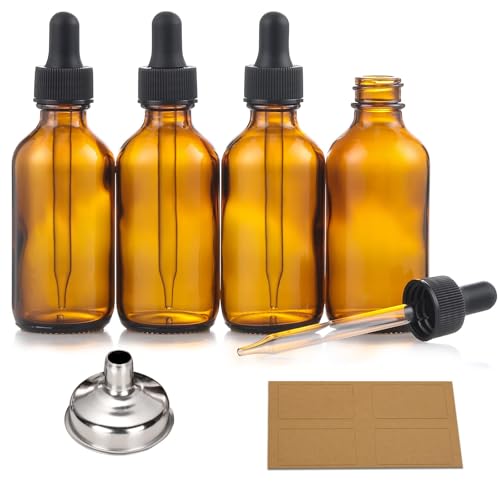
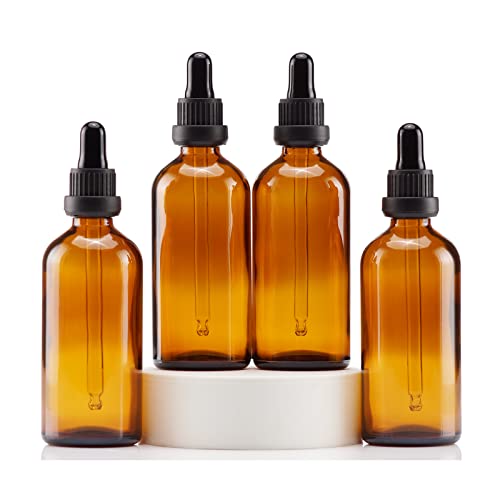

The single most useful beginning question is: what do I actually want this for? Mother tinctures divide naturally by purpose, and choosing inside one purpose keeps the first purchase simple.
- Bumps, bruises, and strains: Arnica montana, and Bellis perennis for deeper bruising.
- Grazes, chapping, and cracked skin: Calendula officinalis.
- Bites, stings, and achy legs: Hamamelis virginiana.
- Cuts in sensitive areas: Hypericum perforatum.
- Appetite and sluggish digestion: Gentiana lutea or Taraxacum officinale.
- Nausea and a cold stomach: Zingiber (ginger).
- Stiff, overused joints: Rhus toxicodendron.
Pick one. The common mistake is buying five bottles across five purposes and then having no routine for any of them.
How to Read a Mother Tincture Label


- The Q / MT / θ mark. This confirms you have the concentrated extract rather than a potency. If you see 6C, 30C, or 200C instead, that is a different kind of product.
- The botanical name. Two-part Latin names — Calendula officinalis, Hamamelis virginiana — identify the species precisely. A common name alone can be ambiguous.
- The alcohol percentage. Mother tinctures are alcohol-based, and the figure matters if you are buying for a child or for someone avoiding alcohol.
- The volume and the dropper. A bottle with an integrated dropper is easier to dose consistently than one needing a separate pipette.
- The expiry date. Note it, and note your own opening date afterwards.
- The supplier. Homeopathic pharmacy quality varies; buy from a source that names the manufacturer and shows the botanical name clearly.
Mother Tincture vs. the Alternatives on the Shelf


- vs. a potency (30C pills): the potency has no material plant content and is taken by mouth for the general picture; the tincture is a botanical extract for local use. Not interchangeable.
- vs. a herbal cream: the cream is formulated to stay on the skin; the tincture is a liquid you dilute as a wash. Both are botanical, but the format and the contact time differ.
- vs. an antiseptic: an antiseptic aims to reduce microbial load; a tincture is a traditional comfort wash, not a disinfectant.
- vs. a combination homeopathic product: combination products usually blend potencies, not tinctures, and are selected by symptom list rather than by plant.
The honest rule for a first purchase: if the problem is on the skin, a tincture makes sense; if the problem is general and constitutional, that is a potency conversation with a practitioner.
What a Beginner Does Not Need


- A full set of twenty tinctures before you have used one properly.
- Very large bottles — the contents can spoil before you finish them.
- Unlabelled or repackaged bottles with no botanical name and no alcohol figure.
- A tincture bought for an internal purpose on a whim; internal use is worth a conversation first.
- Anything chosen because the label promises a cure. That is not a claim homeopathic practice supports.
Your First Two Weeks of Use


- Day 1 — patch test. Dilute a few drops in water and dab a small area of the inner forearm. Watch for irritation.
- Day 2 — make a wash. Combine roughly 10–20 drops with 100 ml of cooled boiled water in a clean glass.
- Day 2–3 — apply properly. Soak a clean cotton pad, dab onto the affected area, and stop if it stings more than mildly.
- Day 4–10 — keep a short record. Note the date, the strength, and what changed. This is the case-taking habit that makes a later consultation useful.
- Day 10–14 — reassess. If the problem is worsening, or if it is one of the red-flag situations, stop and seek medical advice.
Storing Your First Tincture
- Dark glass, tightly capped, upright.
- A cool, dark cupboard — not the windowsill, not above the stove, not the steamy bathroom.
- Away from reach of children, because of the alcohol content.
- Not in a hot car, and double-bagged when travelling.
- Discard a wash solution the same day you make it.
Building a Small, Sensible Set Later


Once one tincture has become a genuine habit, a second purchase can add a different category rather than a duplicate of the first: a skin tincture and a trauma tincture cover most household needs, with a third for bites or digestion depending on the season and the family. That is a shelf built from use rather than from enthusiasm — and it is far more likely to be stored, labelled, and actually reached for.
★ VIP MEMBERSHIP : Get a Dedicated Homeopath in Your Pocket All Month
Healing chronic issues takes ongoing adjustments. Unlock a full month of direct, 1-on-1 text access to Dr. Sheikh Abdullah for tailored remedy protocols, acute family care, and holistic follow-ups whenever you need them. 100% private written consultations • No video calls required • Cancel anytime.
Start Your Consultation As an Amazon Associate I earn from qualifying purchases.Questions to Ask Before You Buy
A short checklist prevents most first-purchase mistakes. If you cannot answer these from the label and the shelf, keep looking.
- Which problem is this for? If the answer is “generally, for health”, the purchase is premature.
- Is the botanical species named? A two-part Latin name is a quality signal; a bare common name is not.
- Is the preparation clearly marked? Q, MT, or θ means a mother tincture. Absent that mark, you may be buying a potency or something else entirely.
- What is the alcohol content? It matters for children, in pregnancy, and if you avoid alcohol.
- How will you use it — topically or internally? Topical use is the straightforward beginner route.
- Where will you store it? If you cannot name a cool, dark cupboard, the answer is not yet.
- What would make you stop? If there is no answer, the plan is incomplete.
Reading the Different Strength Forms Side by Side
Beginners often meet the same plant in three or four versions and cannot tell which to take. The distinctions are narrow but real.
- Mother tincture (Q / MT / θ): concentrated botanical extract with alcohol; diluted into water for topical or short-term internal use.
- Low potency (6X, 6C, 12C): a diluted, succussed preparation; taken as small pills or drops; the common starting point for acute home prescribing.
- Higher potency (30C, 200C, 1M): the same preparation taken much further along the dilution chain; usually selected by a practitioner rather than chosen off a shelf.
- Combination product: several potencies blended and selected by a symptom list on the box rather than by an individualised case.
The beginner-safe summary: topical tincture for the skin, low potencies for simple acute states, practitioner guidance for anything higher or longer-term.
A Beginner’s First-Year Buying Rhythm
Rather than buying a set, buy in response to what actually happened. That produces a shelf built from use rather than from a catalogue.
- Month 1: one topical tincture matched to your most likely household need — skin or trauma.
- Month 2–3: add nothing. Use the first bottle, keep the short record, and learn your own routine.
- Month 4–6: add a second tincture from a different category, such as bites or digestion, if that need has actually come up.
- Month 7–12: consider a small homeopathic first-aid set of low potencies alongside the tinctures, so local and general needs are both covered.
- Throughout: label everything, note opening dates, and replace rather than accumulate.
A three-bottle shelf used deliberately is worth more than a twenty-bottle shelf used occasionally, and it is far easier to store correctly.
When to Ask a Practitioner Instead
A first mother tincture is well within the range of ordinary household self-care. Some situations are not, and knowing where the line sits is part of choosing well.
- Anything internal and ongoing. Short-term diluted drops for a mild, clearly minor complaint are one thing; a daily internal tincture for weeks is a prescribing question.
- Children, pregnancy, and breastfeeding. The alcohol content and the concentrated plant material both argue for professional input.
- Regular medication. Botanical extracts can interact; a pharmacist or clinician should be asked.
- A recurring or shifting pattern. If the same problem keeps returning, or moves around the body, that is potency-and-case-taking territory rather than tincture territory.
- Anything that is worsening. The correct first purchase in that situation is an appointment, not a bottle.
Homeopathic practice frames the mother tincture as a modest, traditional tool for local, minor, short-lived problems. Choosing a first bottle is therefore not just about which plant — it is about being clear that the problem in front of you is the kind a tincture is meant for.
Frequently Asked Questions


What is the best mother tincture to start with?
For most households, Calendula for skin or Arnica for bruises — whichever matches the problem you are most likely to meet. The best first choice is the one you will actually use.
★ VIP MEMBERSHIP : Get a Dedicated Homeopath in Your Pocket All Month
Healing chronic issues takes ongoing adjustments. Unlock a full month of direct, 1-on-1 text access to Dr. Sheikh Abdullah for tailored remedy protocols, acute family care, and holistic follow-ups whenever you need them. 100% private written consultations • No video calls required • Cancel anytime.
Start Your Consultation As an Amazon Associate I earn from qualifying purchases.How do I tell a mother tincture from a potency?
Look for Q, MT, or θ after the name. A potency carries a number and scale instead, such as 6X, 30C, or 200C.
How much should a first bottle cost?
Prices vary widely by country, brand, and volume, so there is no single figure to quote. Judge by clear labelling, a named botanical species, and a stated alcohol content rather than by price alone.
Can I use my first tincture internally?
Homeopathic tradition includes internal use of some tinctures in small diluted doses, but for a beginner the topical route is the more straightforward starting point and internal use is best discussed with a practitioner.
What should I do if it irritates my skin?
Stop using it. Dilute further or discontinue. Persistent irritation, spreading redness, or any sign of infection is a reason to seek medical advice.
Check prices on Amazon
Homeopathic remedies discussed in this article. As an Amazon Associate, this site earns from qualifying purchases.
- Calendula officinalis – check price
- Arnica montana – check price
- Hamamelis virginiana – check price
- Bellis perennis – check price
- Hypericum perforatum – check price
- Rhus toxicodendron – check price
General educational content; not a substitute for professional medical advice, diagnosis, or treatment. Always consult a qualified clinician for serious or worsening symptoms.





Your first mother tincture should match the problem you actually expect to meet. For most households that means starting with one skin-and-trauma tincture — Calendula officinalis for grazes and cracked skin, or Arnica montana for bumps and bruises — and only then adding a second for a different category, such as Hamamelis virginiana for bites and achy legs. Read the label before you buy: a mother tincture is marked Q, MT, or θ, lists the botanical name, and states an alcohol content. A beginner does not need a shelf of ten bottles; one good topical tincture, used properly, teaches you more than a collection used randomly.
Start With the Job, Not the Bottle
4.7/5 · 6.0K reviews
Check Price4.6/5 · 6.3K reviews
Check Price4.7/5 · 974 reviews
Check PriceThe single most useful beginning question is: what do I actually want this for? Mother tinctures divide naturally by purpose, and choosing inside one purpose keeps the first purchase simple.
Pick one. The common mistake is buying five bottles across five purposes and then having no routine for any of them.
How to Read a Mother Tincture Label
4.7/5 · 405 reviews
Check Price4.5/5 · 386 reviews
Check Price4.6/5 · 324 reviews
Check PriceMother Tincture vs. the Alternatives on the Shelf
4.5/5 · 271 reviews
Check Price4.0/5 · 153 reviews
Check Price4.6/5 · 1.3K reviews
Check PriceThe honest rule for a first purchase: if the problem is on the skin, a tincture makes sense; if the problem is general and constitutional, that is a potency conversation with a practitioner.
What a Beginner Does Not Need
4.6/5 · 2.8K reviews
Check Price4.5/5 · 2.5K reviews
Check Price4.3/5 · 3.4K reviews
Check PriceYour First Two Weeks of Use
4.7/5 · 2.2K reviews
Check Price4.6/5 · 861 reviews
Check Price4.5/5 · 43.6K reviews
Check PriceStoring Your First Tincture
Building a Small, Sensible Set Later
4.6/5 · 104K reviews
Check Price4.7/5 · 46.8K reviews
Check Price4.8/5 · 36.6K reviews
Check PriceOnce one tincture has become a genuine habit, a second purchase can add a different category rather than a duplicate of the first: a skin tincture and a trauma tincture cover most household needs, with a third for bites or digestion depending on the season and the family. That is a shelf built from use rather than from enthusiasm — and it is far more likely to be stored, labelled, and actually reached for.
★ VIP MEMBERSHIP : Get a Dedicated Homeopath in Your Pocket All Month
Healing chronic issues takes ongoing adjustments. Unlock a full month of direct, 1-on-1 text access to Dr. Sheikh Abdullah for tailored remedy protocols, acute family care, and holistic follow-ups whenever you need them. 100% private written consultations • No video calls required • Cancel anytime.
Start Your Consultation As an Amazon Associate I earn from qualifying purchases.Questions to Ask Before You Buy
A short checklist prevents most first-purchase mistakes. If you cannot answer these from the label and the shelf, keep looking.
Reading the Different Strength Forms Side by Side
Beginners often meet the same plant in three or four versions and cannot tell which to take. The distinctions are narrow but real.
The beginner-safe summary: topical tincture for the skin, low potencies for simple acute states, practitioner guidance for anything higher or longer-term.
A Beginner’s First-Year Buying Rhythm
Rather than buying a set, buy in response to what actually happened. That produces a shelf built from use rather than from a catalogue.
A three-bottle shelf used deliberately is worth more than a twenty-bottle shelf used occasionally, and it is far easier to store correctly.
When to Ask a Practitioner Instead
A first mother tincture is well within the range of ordinary household self-care. Some situations are not, and knowing where the line sits is part of choosing well.
Homeopathic practice frames the mother tincture as a modest, traditional tool for local, minor, short-lived problems. Choosing a first bottle is therefore not just about which plant — it is about being clear that the problem in front of you is the kind a tincture is meant for.
Frequently Asked Questions
4.5/5 · 33.4K reviews
Check Price4.5/5 · 30.3K reviews
Check Price4.5/5 · 26.7K reviews
Check PriceWhat is the best mother tincture to start with?
For most households, Calendula for skin or Arnica for bruises — whichever matches the problem you are most likely to meet. The best first choice is the one you will actually use.
★ VIP MEMBERSHIP : Get a Dedicated Homeopath in Your Pocket All Month
Healing chronic issues takes ongoing adjustments. Unlock a full month of direct, 1-on-1 text access to Dr. Sheikh Abdullah for tailored remedy protocols, acute family care, and holistic follow-ups whenever you need them. 100% private written consultations • No video calls required • Cancel anytime.
Start Your Consultation As an Amazon Associate I earn from qualifying purchases.How do I tell a mother tincture from a potency?
Look for Q, MT, or θ after the name. A potency carries a number and scale instead, such as 6X, 30C, or 200C.
How much should a first bottle cost?
Prices vary widely by country, brand, and volume, so there is no single figure to quote. Judge by clear labelling, a named botanical species, and a stated alcohol content rather than by price alone.
Can I use my first tincture internally?
Homeopathic tradition includes internal use of some tinctures in small diluted doses, but for a beginner the topical route is the more straightforward starting point and internal use is best discussed with a practitioner.
What should I do if it irritates my skin?
Stop using it. Dilute further or discontinue. Persistent irritation, spreading redness, or any sign of infection is a reason to seek medical advice.
Check prices on Amazon
Homeopathic remedies discussed in this article. As an Amazon Associate, this site earns from qualifying purchases.
General educational content; not a substitute for professional medical advice, diagnosis, or treatment. Always consult a qualified clinician for serious or worsening symptoms.
4.7/5 · 33.7K reviews
Check Price4.7/5 · 41.4K reviews
Check Price4.7/5 · 32.5K reviews
Check PriceRelated posts:
Similar Posts
Nux Vomica 200 for Digestion, Hangover Relief and Heartburn
Testing content… Buy Nux Vomica 200C on Amazon Check the latest price and availability for Nux Vomica 200C and other…
Camphora 30, 200, Q, 1M – Uses, Benefits & Side Effects: The Ultimate Guide
Are you searching for a natural remedy that can effectively address a wide range of health issues? Look no further…
Ferrum Metallicum 30, 200, Q, 1M – Uses, Benefits & Side Effects
Are you struggling with persistent fatigue, anemia, or circulatory issues that seem to defy conventional treatments? Discover the hidden potential…
Thiosinaminum 30, 200, Q, 1M – Uses, Benefits & Side Effects
Unlocking the Power of Thiosinaminum: A Comprehensive Guide Recommended Best Deal Products Homeopathic Ruta Graveolens 200 CH (30ml) Check Price…
Carbo Vegetabilis 30, 200, Q, 1M – Uses, Benefits & Side Effects
Are you struggling with debilitating digestive issues, fatigue, or poor circulation? Discover the powerful healing potential of Carbo Vegetabilis, a…
Abies Canadensis 30, 200, Q – Uses, Benefits & Side Effects: The Ultimate Guide to Nature’s Healing Power
Are you searching for a natural, holistic approach to address various health concerns? Look no further than Abies Canadensis, a…