Mother tinctures and diluted potencies can be used together, but not interchangeably and usually not at the same moment. The working convention in homeopathic practice is that the tincture handles the local, material job — a wash on a bruise, graze, or achy leg — while the potency handles the general, symptom-picture job taken by mouth. Where both are used, most practitioners separate them in time, treat the potency as the primary remedy, and keep the tincture topical and short-term. The law of similars, similia similibus curentur, belongs to the potency side of that pairing; the tincture is used more like a botanical wash whose selection is simply “which plant suits this local problem”.


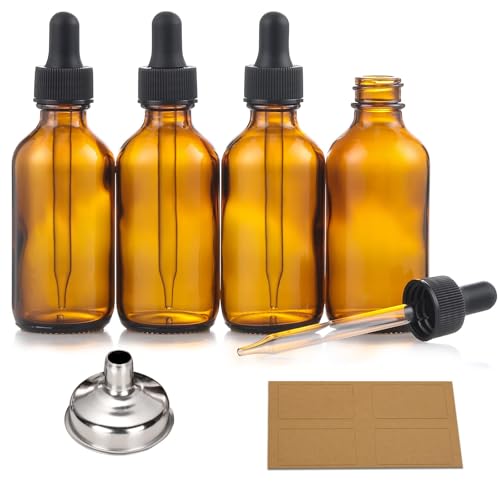
The Two Logics, Side by Side
- Potency (6C, 30C, 200C…): diluted and succussed; no measurable plant material; selected by the whole symptom picture; taken by mouth; the practitioner’s main instrument.
- Mother tincture (Q / MT / θ): concentrated extract; measurable plant constituents and alcohol; selected by local suitability; applied topically or taken in diluted drops; short-term.
- Combining them: they address different layers — local tissue versus general state — rather than doubling up on the same target.
A crisp definition worth holding onto: a tincture acts where it is put; a potency is chosen for the pattern. Combining them is a division of labour, not an addition of strength.
Why Homeopathic Practice Often Separates Them in Time
Three reasons, none of them mystical:
- Observation. If two things change at once, you cannot tell which produced the effect. Homeopathic case-taking depends on clarity.
- Traditional “antidote” reasoning. Homeopathic tradition is cautious about strong new inputs close to a dose — strong flavours, mint, camphor, and pungent substances. Applying a concentrated botanical extract at the same moment is treated in the same cautious spirit.
- The interval. Homeopathic practice spaces doses and then waits. The interval is the point of the method. Adding a second preparation mid-interval blurs a signal the practitioner is deliberately reading.
Four Workable Combination Patterns
1. Topical Tincture + Oral Low Potency
The most common household pattern. A Calendula wash on a graze, or a diluted Arnica wash around a bruise, with a low-potency remedy taken by mouth for the general soreness or upset. The tincture is applied a few times a day; the potency is taken according to its own schedule.
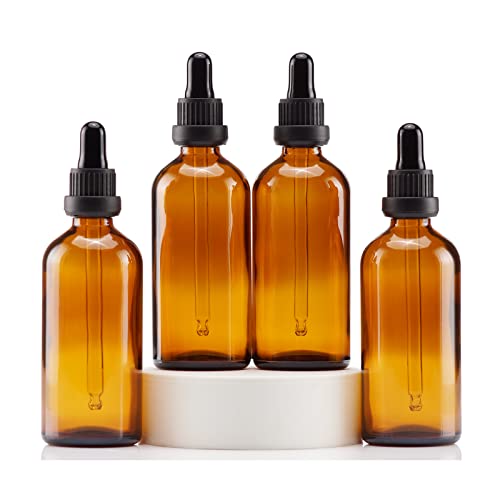


2. Tincture First, Potency Later
Where an acute situation is settling, homeopathic practice often starts with the local measure and introduces the oral potency once the immediate local picture is clear. This keeps the case uncluttered.
★ VIP MEMBERSHIP : Get a Dedicated Homeopath in Your Pocket All Month
Healing chronic issues takes ongoing adjustments. Unlock a full month of direct, 1-on-1 text access to Dr. Sheikh Abdullah for tailored remedy protocols, acute family care, and holistic follow-ups whenever you need them. 100% private written consultations • No video calls required • Cancel anytime.
Start Your Consultation As an Amazon Associate I earn from qualifying purchases.3. Potency as the Main Line, Tincture as Occasional Support
The typical chronic picture: a constitutional remedy taken on a spaced schedule, with a tincture used occasionally for a specific local complaint rather than daily. Here the tincture is ancillary by design.


4. Tincture Alone
Perfectly legitimate for a purely local, clearly minor problem — a graze, a blister, an insect bite. No oral remedy needs to be added simply because a bottle of pills is also in the cupboard.
What Not to Do
- Don’t stack several potencies together and expect a stronger result. Multiple-remedy stacking makes the response unreadable and is not how single-remedy prescribing works.
- Don’t use the same plant in both forms at once unless a practitioner has directed it. Arnica 30C plus an Arnica wash in the same hour defeats the purpose of observation.
- Don’t drop a tincture into your potency bottle. It contaminates both preparations and defeats the whole point of keeping them distinct.
- Don’t escalate the tincture because the potency “isn’t strong enough”. The two are not on the same scale.
- Don’t combine with medication changes. Never stop or reduce a prescribed medicine to try a combination.
A Practical Daily Schedule, Illustrative Only
The figures below show the shape of a combined routine rather than a prescription. Actual amounts and frequencies belong to a practitioner.


- Morning: diluted tincture wash applied to the local area if needed.
- Mid-morning: oral potency dose, taken away from food and strong flavours.
- Afternoon: tincture wash repeated if the local problem is acute.
- Evening: potency dose only if the schedule calls for one — often it is a single daily dose, not a repeated one.
- Ongoing: record what changed. Observation is the actual method.
Interaction and Alcohol Considerations
- The tincture is the part of a combined plan carrying an alcohol consideration; the potency is not.
- Botanical extracts are more plausible candidates for interaction with medicines than ultra-diluted potencies — check with a pharmacist.
- For children, homeopathic practice keeps the internal element to low potencies and the tincture topical and weak.
- In pregnancy and breastfeeding, discuss any internal component with a clinician.
- Stop the tincture if the skin becomes more irritated rather than less.
When Combination Is the Wrong Answer Entirely
There are situations where the right move is neither preparation: suspected infection with spreading redness or fever, a deep or dirty wound, a burn beyond a small area, severe or persistent abdominal pain, chest pain, breathlessness, or any symptom in a very young infant. Those are medical situations. Homeopathic practice itself frames tincture and potency use as complementary, and a complementary measure never takes the place of timely care.
What Each Form Is Good For: A Comparison Table
The table below is a summary of the practical division of labour described throughout this article. It reflects homeopathic tradition rather than measured outcomes, and it is meant to make the pairing easier to hold in mind.
- Local bruise on intact skin → diluted tincture wash; a potency is optional for the general soreness.
- Grazed or cracked skin → diluted tincture wash; potency usually not needed.
- Achy, heavy legs in the evening → Hamamelis wash; potency only if part of a broader case.
- Stiffness after overuse → Rhus toxicodendron wash plus warmth and gentle movement; a potency if the pattern is general.
- Insect bites → Hamamelis dab; potency if the reaction is marked or the person is generally reactive.
- Post-illness fatigue, low mood, sleep disruption → potency territory; a tincture has no clear local target here.
- Recurring, shifting, or constitutional patterns → potency territory, selected by case-taking.
- Acute minor injury with shock and upset → a low potency by mouth, with a wash for the local area if it helps.
The pattern is consistent: the tincture answers where the problem is, and the potency answers what pattern the person is in. Where both questions apply, separating them in time keeps both answers readable.
Documenting a Combined Plan
Homeopathic practice depends on observation, and a combined plan doubles the number of variables. A five-column record keeps it manageable.
- Date and time. Enough to show spacing between doses.
- Preparation. Tincture name and dilution, or potency and form, written precisely — “Calendula Q, 15 drops in 100 ml” or “Arnica 30C, one dose”.
- Route. Topical area, or by mouth, and whether it was before or after food.
- What changed. The direction of the specific complaint, plus sleep and energy.
- Next decision. Repeat, extend the interval, reduce, or stop.
The last column is the one beginners skip and practitioners rely on. Writing down what you intend to do next turns a set of applications into an actual trial — and if the situation does not improve, it gives a practitioner something concrete to work with instead of a vague recollection.


★ VIP MEMBERSHIP : Get a Dedicated Homeopath in Your Pocket All Month
Healing chronic issues takes ongoing adjustments. Unlock a full month of direct, 1-on-1 text access to Dr. Sheikh Abdullah for tailored remedy protocols, acute family care, and holistic follow-ups whenever you need them. 100% private written consultations • No video calls required • Cancel anytime.
Start Your Consultation As an Amazon Associate I earn from qualifying purchases.Combination Products: A Third Path With Its Own Limits
Alongside the two-form pairing described above sits a third option that beginners often confuse with it: the readymade combination product, which blends several diluted potencies into one bottle and is selected from a symptom list on the box rather than from an individual case.
- What it offers: convenience, a fixed formula, and no need to choose a single remedy from a repertory.
- Where classical practitioners differ: single-remedy prescribing holds that one remedy matched to the whole picture is more informative than a blend, because the response then actually tells you something about the case.
- Where a combination can be reasonable: as a household convenience for clearly minor, self-limiting situations.
- What it is not: a way to make a mother tincture redundant, and not a substitute for case-taking when a pattern is persistent.
- Never: a reason to mix a combination product, a single potency, and a tincture all at once. Three variables produce no usable reading.
The underlying principle is simple: the more things you change at once, the less you learn. Whichever of the three paths a person chooses, the discipline of changing one thing and observing is what makes the next decision better than the last.
Frequently Asked Questions
Can I take a potency and use a mother tincture on the same day?
Yes, in many household routines — typically with the tincture topical and the potency by mouth, and often separated a little in time. Keeping them distinct is what preserves a readable response.
Should I mix a tincture into the potency bottle?
No. It contaminates both preparations and confuses which form is acting. Keep separate bottles and separate droppers.
Which one should I reach for first?
For a local, clearly minor problem, the tincture alone is often enough. For a general symptom picture — energy, mood, sleep, and the whole pattern — the potency is the relevant tool, and that selection is a practitioner’s job.
Does combining them make the effect stronger?
Not in the way combining two painkillers does. Homeopathic practice treats the two as different layers rather than as an additive dose, and stacking does not automatically improve the result.
Can I use a tincture with a prescribed medicine as well?
Discuss it with a pharmacist or clinician. Botanical extracts and alcohol can interact with medicines, and this is best checked individually rather than assumed.
Check prices on Amazon
Homeopathic remedies discussed in this article. As an Amazon Associate, this site earns from qualifying purchases.
- Calendula officinalis – check price
- Arnica montana – check price
- Hamamelis virginiana – check price
- Rhus toxicodendron – check price
General educational content; not a substitute for professional medical advice, diagnosis, or treatment. Always consult a qualified clinician for serious or worsening symptoms.