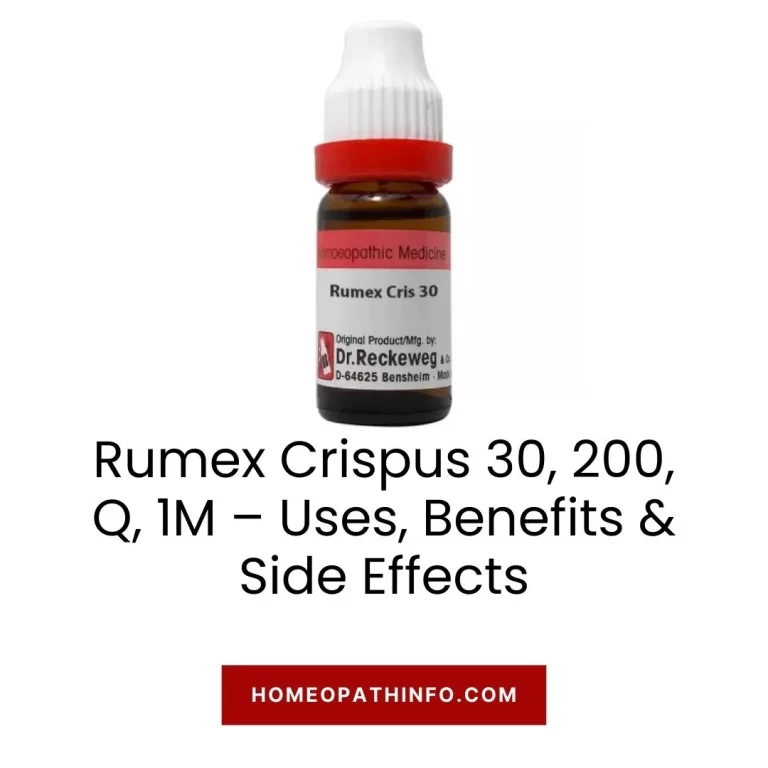
In homeopathic practice, cold-weather skin, lips and nails are treated as a seasonal drying-and-cracking pattern produced by low humidity, indoor heating, wind and repeated hand washing. The practitioner matches a remedy to the character of the damage — painful fissures versus dry scaling, chapping versus chilblain-like coldness — following the law of similars. Homeopaths hold that a well-matched remedy may support comfort and healing; emollients, barrier creams, lukewarm water and medical review for infected or non-healing skin remain the essential care.


Why Cold Weather Damages Skin, Lips and Nails
Cold air holds little moisture, and indoor heating lowers humidity further. The skin’s outer barrier loses water, sebum production slows, and the surface cracks. Lips have no sebaceous glands at all, so they dry first. Nails become brittle and split because the nail plate loses flexibility when its water content drops.
In homeopathic case-taking, the practitioner is interested in how this happens for the individual: does the skin crack deeply at the fingertips, flake in scales, turn white and numb in the cold, or itch intensely when coming into a warm room? These distinguishing features separate the remedy pictures.


Traditional Remedy Pictures for Winter Skin
Painful Cracks and Fissures
- Graphites — cracked, rough skin with a sticky honey-like discharge, deep fissures behind the ears, at the fingertips and in skin folds; traditionally used for cracked lips and heels.
- Petroleum — dry, cracked skin that bleeds easily in winter, worse on the hands and fingertips; a classic cold-weather picture.
- Nitricum acidum — deep, painful, jagged fissures that bleed, often at the mucocutaneous junctions; a well-known traditional picture for anal and lip fissures.
- Sepia officinalis — chapped, rough, dry skin with a brownish discolouration, often around the mouth and nose.
Dryness, Scaling and Itching
- Sulphur — dry, scaly, itchy skin that is worse in warmth and in bed, with a tendency to scratch until it bleeds.
- Arsenicum album — dry, rough, burning skin with chilliness and restlessness, worse after midnight.
- Natrum muriaticum — dry, cracked skin in a person who craves salt, with a tendency to cold sores and greasy-looking but dry facial skin.
- Calcarea carbonica — dry skin in a chilly, sweaty-headed person who feels the cold badly.
Cold Hands, Numbness and Chilblain-Like Reactions
- Agaricus muscarius — burning, itching, chilblain-type reactions with a sensation of ice-cold spots.
- Rhus toxicodendron — cold-induced stiffness and aching, better with warmth and continued motion.
- Aconitum napellus — sudden numbness, tingling and burning after exposure to dry cold wind.
- Pulsatilla pratensis — cold hands and feet with a weepy, changeable mood and better in open air.
Brittle, Splitting Nails
- Antimonium crudum — thickened, distorted nails that grow irregularly; a commonly cited traditional picture.
- Silicea — brittle, soft, splitting nails with slow healing; a constitutional remedy for weak connective tissue.
- Thuja occidentalis — deformed dry nails with a tendency to hangnails and warts.
Dilution, Succussion and the X/C Scales
Homeopathic remedies are produced by serial dilution with succussion — energetic shaking between steps. The X scale dilutes 1 in 10 per step; the C scale 1 in 100. The potency shown on the label records how many steps were taken, not the amount of substance present.
★ VIP MEMBERSHIP : Get a Dedicated Homeopath in Your Pocket All Month
Healing chronic issues takes ongoing adjustments. Unlock a full month of direct, 1-on-1 text access to Dr. Sheikh Abdullah for tailored remedy protocols, acute family care, and holistic follow-ups whenever you need them. 100% private written consultations • No video calls required • Cancel anytime.
Start Your Consultation As an Amazon Associate I earn from qualifying purchases.For a winter skin complaint, home prescribers generally work in the low and middle range (6C, 12C, 30C) for a recent and clearly provoked problem, and reserve 200C and above — and any long-term constitutional prescribing — for a qualified practitioner. Traditional practice also advises keeping remedies away from strong odours, essential oils and heat, and taking doses on a clean mouth. Mother tinctures, being concentrated extracts, are a distinct product class.


A Comparison: Homeopathy, Conventional Skin Care, and Herbal Oils
- Homeopathy individualises by the pattern: deep fissures versus fine scaling, bleeding versus dry, itching in warmth versus in cold, with general symptoms such as thirst and chilliness included.
- Conventional dermatological care targets measurable barrier failure: humectants such as glycerin, occlusives such as petrolatum, keratolytics for thickened skin, and topical corticosteroids for eczema or inflammation. It also detects infection and psoriasis.
- Herbal oils and balms work with concentrated plant material that physically restores or soothes the barrier — a directly measurable mechanism.
Homeopaths describe their role as supportive. Nothing in a remedy plan replaces moisturising, and nothing replaces medical review for skin that is infected, bleeding persistently or not healing.
A Practical Winter Skin, Lip and Nail Plan
- Moisturise early and often. Apply an emollient within minutes of washing, while the skin is still damp, and reapply through the day.
- Change how you wash. Lukewarm rather than hot water, gentle fragrance-free cleansers, and shorter showers.
- Protect lips and hands. Use a plain balm or petrolatum-based ointment before going outdoors, and gloves for cold or wet tasks.
- Raise indoor humidity. A humidifier in heated rooms reduces overnight water loss from skin and lips.
- Do not lick the lips. Saliva evaporates and worsens chapping.
- Care for nails. Keep them short, gloves for wet work, and avoid harsh acetone removers; brittle nails reflect the same dryness.
- Log the remedy picture. Record where the cracking appears, whether itching is worse in warmth or cold, and general reactions such as thirst and chilliness.
When to Seek Medical Help
- Cracks that are infected: spreading redness, warmth, pus, fever or increasing pain.
- Skin changes that do not heal within a few weeks, or that bleed spontaneously.
- Persistent itching with no visible cause, which can indicate a systemic condition.
- Cold-induced white-blue painful fingers — possible Raynaud’s phenomenon — which needs clinical assessment.
Hands, Heels and Lips: Where Winter Strikes First
- Hands. Frequent washing and cold air strip the barrier; the knuckles and fingertips crack first. Gloves for wet work and a fragrance-free emollient after every wash are the mainstays.
- Heels. Thick skin plus dry air produces painful fissures. Urea-based creams applied after bathing, with socks overnight, soften and protect them.
- Lips. Without sebaceous glands, they cannot moisturise themselves. A plain petrolatum or wax balm, reapplied often, works better than flavoured products that encourage licking.
- Cutanous folds and the nose. Cold wind and repeated wiping cause redness and soreness that respond to barrier ointments.
Comparing the Three Approaches to Winter Skin
| Dimension | Homeopathic approach | Conventional dermatology | Herbal balms and oils |
|---|---|---|---|
| Core question | What is this person’s pattern of dryness and cracking? | Which barrier component is failing, and is there inflammation or infection? | Which plant constituents soothe or occlude the skin? |
| Typical tool | An individualised potency, 6C to 30C for acute seasonal dryness | Humectants, occlusives, keratolytics, topical steroids, antifungals | Concentrated oils, butters and infusions applied directly |
| Time to judge | One to two weeks | Days to a couple of weeks with a clear plan | Immediate soothing; slow structural change |
| Key limitation | No established mechanism above the molecular limit | Steroids need correct use and duration | Contact sensitivity to essential oils is possible |
Nutrition and Hydration for Winter Skin
No remedy or cream compensates for dehydration. Drinking regularly, eating foods that contain fats and oils, and limiting very hot showers and alcohol all reduce water loss from the skin. Some people find omega-rich foods helpful; the effect is modest and individual, and worth mentioning to a clinician if skin is persistently inflamed.


Everyday Prevention Checklist
- Apply emollient within three minutes of washing, while skin is damp.
- Keep a tube of plain ointment in the bag, the car and by each sink.
- Wear gloves for washing up, cleaning and cold-weather errands.
- Run a humidifier in the main living room and bedroom.
- Choose fragrance-free, dye-free cleansers and detergents.
- Avoid peeling or biting cracked skin, which invites infection.
- Trim nails and treat hangnails promptly rather than pulling them.
When Dry Skin Is Not Just the Weather
Winter dryness improves with the seasons and responds to emollients. A rash that persists into spring, appears symmetrically in skin folds, weeps, or is accompanied by asthma or hay fever is more likely eczema and needs a proper diagnosis. Similarly, silvery scaling on the elbows and knees suggests psoriasis, and a scaly patch that does not heal can warrant a dermatological opinion. Homeopaths describe remedy pictures for these chronic conditions, but identifying which one is present is a medical question, and treatment decisions belong with a clinician.
Frequently Asked Questions
Can homeopathy heal cracked winter skin?
Homeopathic sources describe matching a remedy to the specific cracking and dryness pattern to support the skin’s own healing. Barrier repair through consistent moisturising and reduced water loss is the basis of any recovery.
Which remedy is most associated with cracked fingertips?
Petroleum and Graphites are the pictures most frequently described, distinguished by whether the cracks bleed easily or discharge a sticky honey-like fluid, and where they appear.
Are brittle nails a homeopathic problem?
Homeopaths describe nail pictures such as Silicea, Antimonium crudum and Thuja for brittle or deformed nails, but persistent nail changes should also be checked medically, since they can reflect thyroid, iron or other conditions.
Can I use a remedy while using a prescription steroid cream?
Homeopathic potencies are not chemically active in the ordinary sense, so interactions are not the standard concern. Do not stop a prescribed topical treatment without medical advice.


★ VIP MEMBERSHIP : Get a Dedicated Homeopath in Your Pocket All Month
Healing chronic issues takes ongoing adjustments. Unlock a full month of direct, 1-on-1 text access to Dr. Sheikh Abdullah for tailored remedy protocols, acute family care, and holistic follow-ups whenever you need them. 100% private written consultations • No video calls required • Cancel anytime.
Start Your Consultation As an Amazon Associate I earn from qualifying purchases.How long before I should judge a winter skin remedy?
For an acute, seasonal complaint, home prescribers typically reassess within a week or two. If the picture is unchanged, the remedy is considered a poor match and should be reconsidered.
Check prices on Amazon
Homeopathic remedies discussed in this article. As an Amazon Associate, this site earns from qualifying purchases.
- Graphites – check price
- Petroleum – check price
- Nitricum acidum – check price
- Sepia – check price
- Sulphur – check price
- Arsenicum album – check price
- Natrum muriaticum – check price
- Calcarea carbonica – check price
- Agaricus muscarius – check price
- Rhus toxicodendron – check price
- Aconitum napellus – check price
- Pulsatilla – check price
General educational content; not a substitute for professional medical advice, diagnosis, or treatment. Always consult a qualified clinician for serious or worsening symptoms.