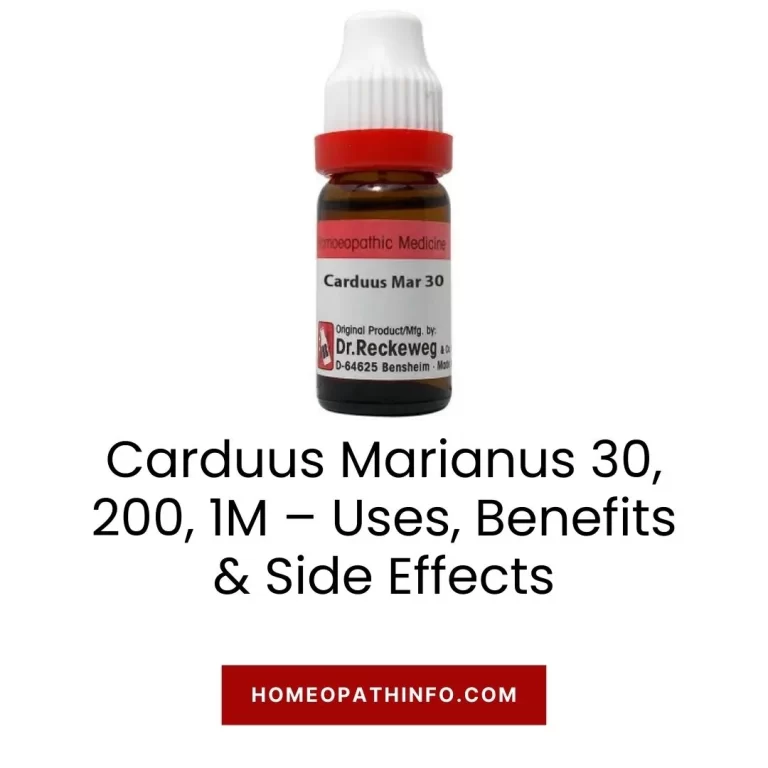
Resetting digestion after heavy holiday meals means returning to simple, regular eating and letting the gut settle, with homeopathic care used as complementary support rather than a cure. In homeopathic practice the post-holiday picture is treated as an acute disturbance: too much rich food, alcohol, irregular meal times, and broken sleep arriving together. A low potency remedy is matched to the specific symptom pattern — bloating, heartburn, nausea, or sluggish bowels — and taken for a few days alongside water, plain food, and ordinary meal timing. Symptoms that are severe, persistent, or accompanied by red flags need medical assessment.
What Heavy Holiday Eating Actually Does
Feast days are unusual in several ways at once. Meals are larger, richer, and later than usual; alcohol is often present; salt and sugar intake rises; and sleep becomes shorter and less regular. The gut responds with the ordinary consequences of overload: slower stomach emptying, more reflux, more gas, looser or slower stools, and a general heaviness that lasts a day or two.
None of this is mysterious, and most of it settles on its own. What homeopathic practice adds is a way of organising the symptoms so that a remedy can be matched to the individual picture rather than to the meal.
Why Homeopathy Treats This as an Acute Case
Classical homeopathy separates acute prescribing from constitutional prescribing. An acute case is short-lived, with a clear cause and a well-defined symptom picture; it is usually met with a low potency such as 6C or 30C, repeated as the picture changes. A constitutional remedy, by contrast, addresses a long-standing pattern in the whole person and is generally given in a higher potency at longer intervals.
Deal alert: Prime Big Deal Days is on
Right now on Amazon, Prime Big Deal Days brings Prime Day-level prices with free fast Prime shipping. The discount ends [Sunday] — and popular items sell out early.
Buy From Amazon As an Amazon Associate I earn from qualifying purchases.Post-holiday indigestion fits the acute description neatly. The cause is known, the onset is recent, and the symptoms will pass. That is exactly the situation in which homeopaths reach for the lightest intervention that matches the symptoms, and combine it with the ordinary measures that do most of the work.
The Patterns Homeopaths Record
During case-taking the practitioner asks more than “my stomach is upset”. Where is the discomfort? What makes it better or worse? What are thirst, tongue, and appetite doing? Is there nausea, and at what time? These details are compared with the repertory and materia medica, and the closest match is selected.
Bloating and fullness after eating
Distension that comes on soon after meals, with a sensation of being over-full, is a common pattern. Practitioners record whether the fullness is relieved by belching, by lying down, or by loosening clothing, and whether the person feels heavy or merely tight.
Heartburn and reflux
Burning behind the breastbone, worse on lying down or bending, is a pattern homeopaths take seriously, because it overlaps with a condition that deserves medical attention if it persists. For a short post-holiday episode the modalities are recorded in detail: worse from rich food, worse at night, better from cold drinks or from sitting up.
Nausea and queasiness
Nausea from over-indulgence, from the smell of food, or on the morning after a late night forms a distinct rubric. Homeopaths ask whether cold air helps, whether the person wants to be still and quiet, and whether vomiting relieves the feeling.
Sluggish bowels
A change of routine and heavy food often slows the bowels for a few days. Practitioners note whether there is urging without result, whether the stool is hard or soft, and whether the pattern relates to a particular time of day.
Loose stools and urgency
When meals have been irregular and alcohol present, loose stools with urgency are common. Homeopaths record whether the stools are worse after eating, whether there is burning, and whether the person feels weak afterwards.
A Homeopathic Reset Compared with an Ordinary “Detox”
- Homeopathic approach: matches a short course of a low-potency remedy to the individual symptom picture, on the principle of the law of similars — similia similibus curentur, “like cures like”.
- Popular “detox” approach: sells juices, teas, or supplements on the promise of flushing toxins. The liver, kidneys, and gut already perform that role continuously, and no product is required.
- Shared ground: both ideas point back towards plain food, water, and regular timing. The difference is that homeopathy makes no claim about removing toxins and no claim about curing disease.
A crisp definition is worth stating plainly: a digestive reset here means restoring ordinary eating rhythm, not purging the body. Nothing in homeopathic practice requires fasting, enemas, or proprietary cleanses.
How Alcohol, Sleep, and Stress Fit the Same Picture
Holiday digestion is rarely only about food. Alcohol relaxes the valve at the top of the stomach and makes reflux more likely; it also fragments the second half of the night, and poor sleep in turn worsens appetite regulation and mood the next day. Late nights shift meals later, and stress from travel, hosting, or family gatherings adds its own effect on gut motility. Homeopathic case-taking records these alongside the food, because the remedy picture includes the whole disturbance rather than only the stomach.
This is also why the same plate of food can leave one person comfortable and another miserable. Individual sensitivity, previous patterns, sleep, and mood all modulate the response, and homeopaths hold that this individuality is exactly what a remedy must be chosen to match.
A Practical Five-Day Reset
- Day one: water, plain food, and a normal breakfast time. Skip the leftovers that triggered the episode.
- Day two: three modest meals at consistent times, with cooked vegetables, simple protein, and no alcohol.
- Day three: add gentle movement, such as a walk after meals rather than a heavy session.
- Day four: reintroduce normal portions and check whether any specific food reliably repeats the symptom.
- Day five: return to your usual pattern, noting anything that still feels different.
If a remedy is being used it is taken as the practitioner directs, spaced from food and strong flavours in the traditional manner. Details of dilution, succussion, and the X and C potency scales are covered elsewhere on this site.
Potency and Dosing Notes
Because this is an acute picture, homeopaths commonly prefer a low potency repeated over one to three days, stopping once the symptoms resolve. Continuing to repeat a dose after the picture has changed is usually regarded as unhelpful. If digestion has been poor for weeks or months rather than days, the case becomes a constitutional one, and that decision belongs with a qualified practitioner.
The Evidence Position, Stated Honestly
Homeopathy is a contested field, and it is fair to say so. Systematic reviews of homeopathy for digestive complaints have reached mixed conclusions, and conventional gastroenterology does not accept dilution-based remedies as a treatment for any bowel disease. Homeopaths, for their part, describe their work as individualised supportive care rather than as a substitute for diagnosis or for proven treatment. Readers who hold either view will find that this site does not claim homeopathy cures digestive disease; it describes how practitioners use it, and where medical care remains essential.
Keeping a Short Symptom Record
Note the time of each symptom, what you ate beforehand, what made it better or worse, and how long it lasted. Note sleep, alcohol, and caffeine too. Three or four days of this is usually enough to show whether you are dealing with an ordinary post-holiday overload or a pattern that predates the holidays and deserves investigation.
When to See a Doctor
Seek medical advice for severe or persistent abdominal pain, vomiting blood, black or bloody stools, difficulty swallowing, unintended weight loss, fever with abdominal pain, persistent vomiting, or heartburn that no longer responds to ordinary measures. Do not use a remedy to postpone assessment of symptoms like these.
Reading Your Own Post-Holiday Pattern
Homeopathic practice is built on careful self-observation, and the post-holiday period is a good place to learn it. Three questions do most of the work: what exactly did the discomfort feel like, what made it better or worse, and what was happening around it in terms of sleep, alcohol, and stress? A symptom that improves on lying down, belching, or passing wind points in one direction; a burning that worsens when you bend forward points in another. Recording those distinctions for three or four days turns a vague complaint into something that can be compared with the repertory and materia medica. It also tells a clinician whether an ordinary overload is being described or something that needs investigating.
What the answers usually change
In most cases they change the immediate plan rather than a remedy choice. If the pattern follows late meals, move the last meal earlier. If it follows alcohol, remove it for a week and see what happens. If it follows nothing in particular and has been present for months rather than days, that is a different conversation entirely, and one a clinician should join. Homeopaths describe this kind of observation as preparation for a consultation rather than a substitute for one, and it costs nothing to do.
Why the seasonal timing matters
Feasts, festivals, and long holidays recur, so the same disturbance tends to return every year. A record kept across two holiday seasons is genuinely useful: it shows whether the pattern is stable, whether one food or drink reliably causes the trouble, and whether the recovery is getting slower. Homeopaths treat a repeating pattern as a constitutional question, which is quite different from a one-off acute episode, and the distinction shapes both the potency and the length of treatment.
nn
Frequently Asked Questions
Do I need a remedy to reset my digestion?
No. Plain food, water, regular meal times, and sleep do most of the work. A remedy is an optional addition advised by a practitioner.
Which remedy is used for over-indulgence?
There is no single answer. Homeopaths hold that the remedy follows the full picture — the type of discomfort, its timing, and the accompanying thirst, nausea, and mood — so two people with similar meals may receive different remedies.
How quickly do symptoms settle?
Ordinary post-holiday overload usually settles within a day or two. Symptoms lasting beyond a week, or worsening, should be assessed clinically.
Can I take a remedy with antacids or other medicines?
Ask your practitioner and your pharmacist. Do not stop or change prescribed medicine on your own, and never assume a diluted remedy substitutes for it.
Are “detox” products needed after feasting?
No. The liver, kidneys, and gut handle waste continuously, and nothing in homeopathic practice depends on a commercial cleanse.
General educational content; not a substitute for professional medical advice, diagnosis, or treatment. Always consult a qualified clinician for serious or worsening symptoms.