A homeopathic product and a dietary supplement are different things that are regulated in different categories and dosed by different logic: a homeopathic medicine declares a potency (such as 30C or 6X) and is prepared by serial dilution with succussion, while a supplement declares a measurable quantity (such as 500 mg) of a vitamin, mineral, herb, or amino acid. That is why the two labels look so unlike each other — and why “homeopathic” appearing on packaging is not by itself proof that the contents are homeopathically prepared. Reading the ingredient panel carefully, in the right order, resolves almost every ambiguity. This guide shows you how to do that, what the potency notation actually means, and where the categories blur.
Two Different Logics of Dosing
The clearest way to tell the two categories apart is what the label is trying to communicate:
- Homeopathic logic — potency. A remedy is identified by its substance and how far it has been diluted and succussed. More dilution steps means a higher potency number, and homeopaths hold that the remedy’s individualizing action is carried by the preparation rather than by a measurable quantity of material.
- Supplement logic — dose. A supplement is identified by how much of a substance you ingest: milligrams or micrograms, or a percentage of a daily reference value. More material means a bigger dose.
Put simply: one label tells you how far the substance has travelled from its original form; the other tells you how much of it you are swallowing. A panel containing a milligram figure is a supplement-style product. A panel containing potency notation is homeopathic in form.
How to Read an Ingredient Panel, In Order
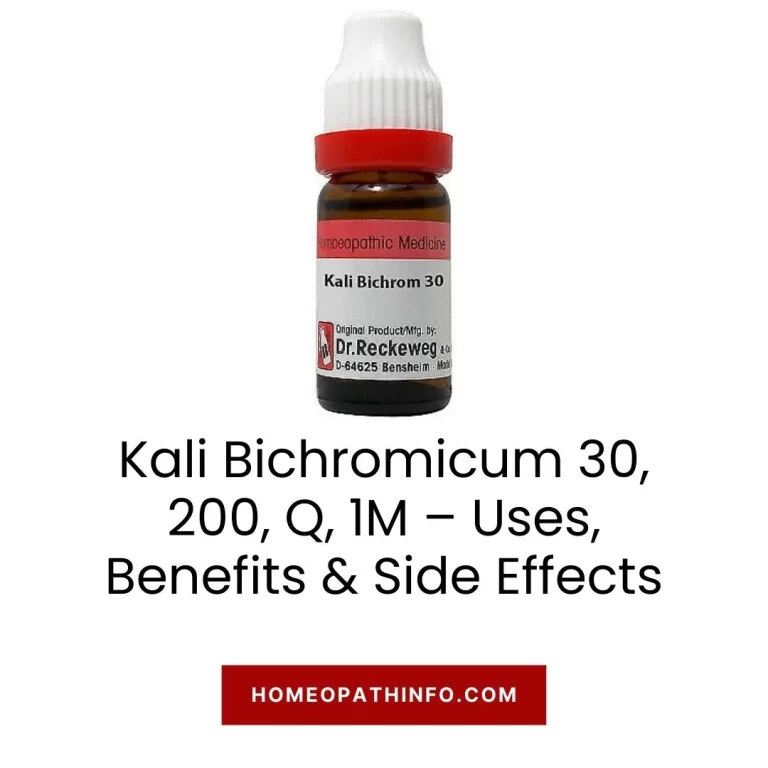
- Actives with potencies. Look for each named substance followed by a potency and scale — for example a remedy name with 30C, or a mineral with 6X. Every active should have one.
- The base or excipients. Usually listed separately: lactose, sucrose, wheat starch, or an alcohol and water mixture. This is where dietary concerns live.
- The form and count. Pellets, tablets, or drops, and how many doses the pack holds.
- Manufacturer, batch, and expiry. Present on anything traceable.
- The claims. Homeopathic and supplement products alike should describe intended use cautiously. Claims to cure a named disease are a warning sign in either category.
If step one is missing — if a “homeopathic” product lists ingredients with no potencies — you cannot tell whether it is a homeopathic preparation, a herbal extract, or a low-dilution blend. That is the single most common labelling problem in this category.
Deal alert: Prime Big Deal Days is on
Right now on Amazon, Prime Big Deal Days brings Prime Day-level prices with free fast Prime shipping. The discount ends [Sunday] — and popular items sell out early.
Buy From Amazon As an Amazon Associate I earn from qualifying purchases.Potency Notation Decoded
The notation is a recipe, not a strength rating in the ordinary sense:
- X (or D) scale, decimal. Each step dilutes the previous preparation by a factor of ten, with succussion between steps. 6X means six such steps.
- C scale, centesimal. Each step dilutes by a factor of one hundred. 30C means thirty such steps — the classic home-prescribing potency.
- Higher numbers, further preparation. 200C, 1M (1000C), and beyond are traditionally considered higher potencies in homeopathic practice.
- Mother tincture. The concentrated starting extract of a plant or other source — not a diluted potency at all, and often sold with an alcohol content.
Two honest caveats. First, homeopaths themselves debate potency selection — there is no universally agreed rule for matching potency to case; practitioners reason from the case’s intensity, chronicity, and the person’s sensitivity. Second, the mechanism is contested outside homeopathy: critics observe that at high dilutions the original substance may be undetectable and question how such preparations could produce effects, while homeopaths describe the action as working on a different level. The notation itself, however, is simply the record of preparation.
When the Word “Homeopathic” Appears on Supplement-Style Products
Confusion arises in three common situations:
- Combination products containing low dilutions plus other actives. A pack may contain several homeopathic remedies at stated potencies alongside herbal extracts or minerals. It is a hybrid, and the label should show both kinds of notation.
- Marketing use of the term. Some products use “homeopathic” loosely to signal “natural” or “gentle” while the panel is really a herbal supplement with milligram amounts.
- Supplements that also stock homeopathic remedies. A brand may sell both categories under one name, which is why the panel matters more than the brand.
The test is simple: potency notation means homeopathic preparation; milligram notation means supplement dose. If both appear, you are looking at a hybrid and should read the whole list.
Regulatory Categories, Briefly
Homeopathic medicines are classified differently around the world. In some countries they are registered as medicines and must be prepared to a published pharmacopoeia with controlled claims. In others they are sold under a simplified traditional-use registration. Elsewhere they fall under supplement or general-product rules, where oversight focuses on safety and labelling. Supplements, meanwhile, are almost everywhere a separate category from medicines, with different evidence requirements. That is why two bottles with similar wording can carry very different levels of documentary backup — and why “what is in the bottle” is really two questions: what the label claims, and what regime the claim sits under.
What to Check Before You Buy
- Every active ingredient has a stated potency and scale.
- The base is declared — lactose, sucrose, wheat starch, or alcohol and water.
- The maker is named, with an address and a batch number.
- An expiry date is printed.
- The claims are proportionate — no promises to cure named diseases.
- The category fits your use: a medicine-grade product for therapeutic use, a supplement-grade product as a supplement.
- Storage instructions are given, including keeping remedies away from heat, light, and strong smells.
Using Homeopathic Products and Supplements Together
Many people use both. From a practical standpoint, three habits keep the picture clear: keep a written record of what you take and when, tell every practitioner what you are using including supplements and prescribed medicines, and avoid starting two new things at the same time if you want to know which one is doing something. Homeopathy is used as a complementary approach alongside conventional care, not as a replacement for it, and supplements do not change that. If you take prescription medicines, discuss combinations with a qualified clinician rather than adjusting anything yourself.
Side-by-Side: Two Typical Labels
Reading two panels in parallel shows how different the two categories really are. A homeopathic product might read: a named remedy at a stated potency, then a second remedy at a stated potency, with a base of sucrose and lactose, followed by the manufacturer, batch, and expiry. A supplement product might read: a herb or vitamin with a milligram amount, a second ingredient with a milligram amount, then excipients such as cellulose or magnesium stearate.
- What identifies the product: potency notation in the first case; ingredient weights in the second.
- What the number means: preparation steps in the first case; quantity ingested in the second.
- What usually matters for safety: the base and any additional actives in the first case; dose, interactions, and upper limits in the second.
A hybrid product shows both kinds of notation, which is the clearest signal that you are looking at a blend rather than a classical single remedy.
Why Potency Is Not a Concentration
A 30C is not “more concentrated” than a 6C, and the number is not a strength rating in the sense used for supplements. In homeopathic preparation each step reduces the material present while adding the shaking step that the tradition regards as essential. Homeopaths therefore describe higher potencies as deeper or more far-reaching rather than simply stronger, and they debate which potency suits which case. Whether the preparation can act at all is a separate and genuinely contested question outside homeopathy. For label-reading purposes, the practical point is simple: potency tells you how the remedy was prepared, while a milligram figure tells you how much material the product contains. Confusing the two is the most common mistake shoppers make.
Frequently Asked Questions
How can I tell a homeopathic product from a supplement at a glance?
Look for potency notation. A name followed by 30C, 6X, 200C, or a mother tincture designation indicates a homeopathic preparation; milligram or microgram amounts indicate a supplement.
Do homeopathic products contain any of the original substance?
Homeopaths describe the remedy’s action in terms of the preparation rather than material quantity; outside the field, critics point out that at high dilutions the original substance may not be detectable and question the mechanism. This remains contested, and it is distinct from the preparation standard, which is well defined.
Can a product be both homeopathic and a supplement?
In effect, yes — hybrid products exist that combine remedies at stated potencies with herbal or nutritional ingredients. The label should declare both kinds of information, and you should read the whole panel.
Are homeopathic products safer than supplements?
They are different categories with different risk profiles, and neither is automatically safer for you personally. Carrier ingredients such as lactose or alcohol, and any other actives in the pack, matter for allergies and interactions. Always read the panel and tell your clinician what you take.
What if the label lists ingredient names but no potencies?
Then the product is not presenting itself as a homeopathic preparation. Treat it as an unverified blend: ask the maker, or choose a product whose panel is complete.
General educational content; not a substitute for professional medical advice, diagnosis, or treatment. Always consult a qualified clinician for serious or worsening symptoms.