For skin and minor wounds, mother tinctures are traditionally used as diluted washes and compresses rather than as neat applications. Calendula officinalis is the classic choice for grazes, cracked skin, and slow-healing minor wounds; Arnica montana is applied around — never on — bruises and strains; Hamamelis virginiana is used for fragile, easily irritated surface skin; and Hypericum perforatum is associated with cuts in sensitive, nerve-rich areas. What is actually known is modest: these are botanical extracts with a long homeopathic tradition of topical use, and they work alongside ordinary wound hygiene, not in place of it.


Why Topical Use Is the Natural Route for Tinctures
A mother tincture is the concentrated botanical extract — the Q, MT, or θ stock from which potencies are made. Because it still contains plant constituents and an alcohol base, it makes intuitive sense on the skin, where the application is local and the user can see the area being treated.
Homeopathic practice therefore treats the skin almost as the “home ground” of mother-tincture use. The diluted wash is the workhorse: a few drops stirred into cooled boiled water, applied with a clean pad, and repeated as the injury settles.


Calendula officinalis — The Skin Repair Tincture
Calendula is the most widely used tincture in this category. In homeopathic tradition it is associated with:
- Grazes, abrasions, and scraped knees;
- Cracked hands, heels, and chapped skin;
- Minor cuts that are clean and not deep;
- Slow-healing, sluggish skin surfaces.
Household method: roughly 10–20 drops in 100 ml of cooled boiled water, applied with a soaked cotton pad, two or three times a day for a few days. Many people describe a soothing, cooling sensation; that sensory effect is the honest, observable part of the experience.
★ VIP MEMBERSHIP : Get a Dedicated Homeopath in Your Pocket All Month
Healing chronic issues takes ongoing adjustments. Unlock a full month of direct, 1-on-1 text access to Dr. Sheikh Abdullah for tailored remedy protocols, acute family care, and holistic follow-ups whenever you need them. 100% private written consultations • No video calls required • Cancel anytime.
Start Your Consultation As an Amazon Associate I earn from qualifying purchases.Arnica montana — Bruises and Soft-Tissue Trauma
Arnica is the best-known homeopathic trauma remedy in any form. As a mother tincture it is used as a dilute wash around a bruise, a strained muscle, or a swollen joint — but the standard homeopathic caution is important: Arnica is not applied to broken skin. Use it on intact skin around the injury, not into a cut.
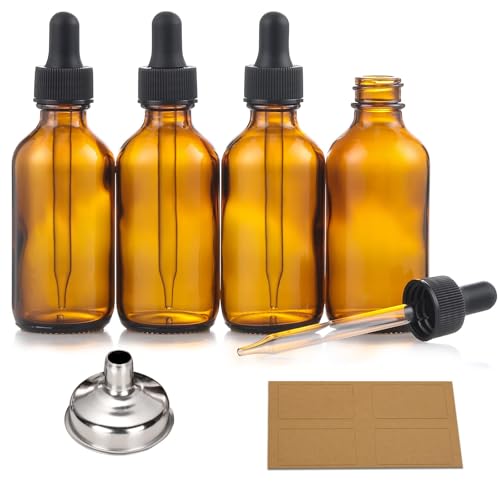
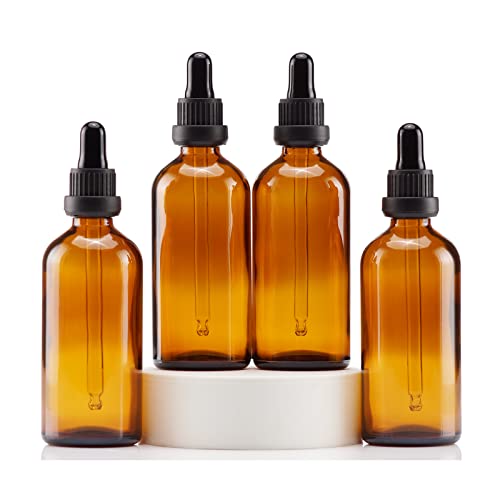

Traditionally it is reached for when the area feels bruised, sore, and tender to touch, particularly after a knock or after unaccustomed exertion.
Hamamelis virginiana — Fragile, Reactive Surface Skin
Hamamelis is traditionally used for skin that reddens and irritates easily, for achy heavy legs, and for minor fragile surface vessels. As a wash it is cooling and astringent in feel. Homeopathic tradition treats it as a comfort measure for surface discomfort rather than as a treatment for a circulatory or vascular condition.


Hypericum perforatum — Cuts in Sensitive Areas
Hypericum is classically linked to wounds in nerve-rich locations: fingertips, toes, and the area around a nail. It is used as a dilute wash or a soaked pad on a clean, superficial injury. The traditional association is with the “sharp, shooting” quality of after-pain rather than with infection control.
Mother Tincture vs. Antiseptic vs. Herbal Cream: A Comparison
- Mother tincture wash: plant extract in water; soothing and traditional; applied at home; short history of documented clinical evidence; must be diluted.
- Antiseptic: designed to reduce microbial load; the appropriate tool where infection risk is real; sometimes stings and can dry skin.
- Herbal cream or ointment: also a botanical preparation, but formulated for leave-on use with a base that keeps it in contact with the skin.
- Where each fits: clean the wound, protect it, and use the tincture as a traditional comfort wash alongside that care — not as a substitute for it.
A crisp definition helps: a mother tincture is a botanical extract used in homeopathic practice; it is not a disinfectant, and it is not a potency.
What Is Actually Known — Honestly Stated
Two things are worth separating. First, the botanical activity of plants like Calendula and Hamamelis has been discussed in the herbal literature, and their topical use predates homeopathy by centuries. Second, the homeopathic framework — selection by symptom picture and the law of similars — is a tradition of practice rather than a body of large, modern randomised trials for topical tinctures specifically.
Homeopaths hold that tincture use is a supportive, gentle measure. It is honest to say that the strongest thing one can claim is a long tradition of topical use, a pleasant cooling sensation, and a low likelihood of harm when properly diluted — not a demonstrated cure.
A Safe Home Protocol
- Clean the wound with water first. This is the step that actually matters most.
- Assess. Deep, gaping, dirty, or heavily bleeding wounds, punctures, animal bites, and burns beyond a small area need medical care.
- Dilute. Around 10–20 drops of tincture per 100 ml of cooled boiled water as a starting strength; use weaker for children and sensitive skin.
- Apply with a clean pad. Pat or hold in place; do not scrub, and never dip a used pad back into the stock bottle.
- Dress lightly. A clean dressing over a graze usually heals faster than leaving it open and exposed.
- Review daily. Improving bruising and clean grazes are expected to settle. Worsening redness, swelling, heat, or pain is a signal to get medical advice.
Storage and Skin-Care Notes
- Store tinctures upright, capped, away from heat and direct sunlight.
- Make wash solutions fresh; discard leftovers the same day.
- Patch-test on the inner forearm before using a new tincture over a large area.
- Stop if the skin becomes more irritated rather than less.
- Keep out of reach of children, and away from the eyes and mucous membranes.
Wash, Compress, or Soak: Which Application Suits Which Problem
The same diluted tincture can be applied three ways, and the choice is practical rather than theoretical.
- Wash (dab): a soaked pad dabbed over a graze, chapped patch, or itchy spot. Best for a surface that should not be rubbed and for small areas.
- Compress (hold): a soaked pad held in place for several minutes over a bruise, a strained muscle, or an achy leg. Best where sustained contact seems to help.
- Soak: the affected part immersed in a bowl of the diluted solution. Practically useful for a foot, a hand, or a cluster of bites.
- Avoid rubbing: friction on freshly injured or irritated skin makes things worse, not better, whatever is on the pad.
Two hygiene rules cover all three: use a clean pad for each application, and never return a used pad or a used dropper to the stock bottle. A wash solution should be made fresh and thrown away at the end of the day rather than kept in a jug on the counter.


★ VIP MEMBERSHIP : Get a Dedicated Homeopath in Your Pocket All Month
Healing chronic issues takes ongoing adjustments. Unlock a full month of direct, 1-on-1 text access to Dr. Sheikh Abdullah for tailored remedy protocols, acute family care, and holistic follow-ups whenever you need them. 100% private written consultations • No video calls required • Cancel anytime.
Start Your Consultation As an Amazon Associate I earn from qualifying purchases.Tincture vs. Potency for Skin Problems
Skin is the one area where homeopathic practice most often uses both forms side by side, and the logic is worth spelling out.
- Use the tincture when: the problem is local, visible, and clearly minor — a graze, a cracked heel, a cluster of bites, a fresh bruise on intact skin.
- Consider a potency when: the skin problem is recurring, widespread, or clearly tied to a general state — a flare that arrives with stress, a pattern that shifts location, a rash with digestive changes.
- Why they are not interchangeable: the tincture is chosen for the local problem and applied where it is needed; the potency is chosen for the whole picture and taken by mouth.
- What not to do: do not pour a potency into a wash, and do not apply an undiluted tincture to large areas of skin.
Areas Where a Tincture Is the Wrong Tool
- Deep, gaping, or dirty wounds — these need cleaning, assessment, and possibly closure.
- Burns beyond a small area, or any burn on the face, hands, joints, or genitals.
- Eyes and mucous membranes — never apply a tincture here.
- Signs of infection — spreading redness, heat, swelling, pus, red streaks, or fever.
- A mole or lesion that is changing in size, shape, or colour — that is a medical assessment, not a wash.
- Persistent or worsening skin conditions — recurring eczema, psoriasis-like plaques, or hives need a diagnosis.
- Animal and human bites, and puncture wounds — these carry specific infection risks.
A Note on Scars, Stretch Marks, and Slow-Healing Patches
Homeopathic tradition includes topical tinctures in discussions of scars and slow-healing skin, usually as a gentle measure applied to a healed or healing surface rather than to an open wound. It is important to keep expectations modest. A tincture is not a scar treatment in the way that a dermatological procedure is, and homeopathic practice itself frames this as supportive care. Where a patch of skin is slow to heal, the more useful question is why — circulation, nutrition, diabetes, medication, or a local cause — and that question needs a clinician rather than a bottle.
Frequently Asked Questions
Can I use mother tinctures instead of cleaning a wound?
No. Cleaning and protecting the wound are the essentials. A tincture wash is a traditional comfort measure used alongside that basic care.
Is Arnica tincture safe on an open cut?
Homeopathic tradition specifically advises against applying Arnica to broken skin. Use it on intact skin around a bruise or strain instead.
How strong should a tincture wash be?
Home practice generally starts around 10–20 drops per 100 ml of cooled boiled water and adjusts downward for sensitive or children’s skin. Stronger is not better.
Do mother tinctures kill bacteria on the skin?
They are not antiseptics and should not be relied on to reduce infection risk. Where that matters, use appropriate wound care and seek medical advice.
What if a graze is not healing after several days?
Slow or worsening healing is a reason to consult a clinician. Persistent wounds can have underlying causes that a topical tincture will not address.
Check prices on Amazon
Homeopathic remedies discussed in this article. As an Amazon Associate, this site earns from qualifying purchases.
- Calendula officinalis – check price
- Arnica montana – check price
- Hamamelis virginiana – check price
- Hypericum perforatum – check price
General educational content; not a substitute for professional medical advice, diagnosis, or treatment. Always consult a qualified clinician for serious or worsening symptoms.