Naja Tripudians: The Homeopathic Remedy for Heart Weakness, Palpitations, and Anxiety
Overview/History
Naja Tripudians, commonly known as Cobra Venom, is a potent homeopathic remedy prepared from the venom of the cobra snake. The remedy has been used for centuries in traditional medicine and was popularized in homeopathy through the proving methods of Hahnemann’s followers. In the late 19th century, homeopathic physicians in India, where the cobra is native and venerated, began systematic provings of the venom and recorded its striking affinity for the heart, throat, and nervous system.
The preparation of Naja Tripudians involves a meticulous process of dilution and succussion, where the venom is repeatedly diluted in water and alcohol, then succussed to transfer its energetic properties. This process removes the toxic physical properties of the venom while retaining its therapeutic energetic signature.
In homeopathic practice, Naja Tripudians is primarily used to address conditions related to heart weakness, palpitations, and anxiety that manifest with cardiovascular symptoms. It is particularly indicated for individuals who experience heightened anxiety about their heart health, often accompanied by physical symptoms.
Key Indications
Heart Palpitations and Weakness
Naja Tripudians is often prescribed for individuals experiencing irregular heartbeats, palpitations, and a general sense of cardiac weakness. Patients may describe a sensation of the heart “skipping beats” or “racing” without exertion. The weakness may be accompanied by a feeling of heaviness in the chest. These symptoms can significantly impact daily life and cause considerable distress.
Deal alert: Prime Big Deal Days is on
Right now on Amazon, Prime Big Deal Days brings Prime Day-level prices with free fast Prime shipping. The discount ends [Sunday] — and popular items sell out early.
Buy From Amazon As an Amazon Associate I earn from qualifying purchases.Chest Pain and Constriction
The remedy is particularly effective for cases of chest pain that feel like constriction or pressure. This pain may be worse on inspiration or when lying down, particularly on the left side. The constricting sensation can be accompanied by a feeling of tightness across the chest, which may radiate to the left arm or jaw. This symptom complex is often associated with emotional stress or anxiety.
Irregular Pulse and Heart Conditions
Naja Tripudians is indicated for individuals with irregular or weak pulse, especially when accompanied by symptoms of heart failure. The pulse may be described as “thready” or “intermittent,” with periods of weakness followed by stronger beats. This symptom complex is often seen in chronic heart conditions where the heart’s pumping ability is compromised, leading to reduced circulation and fatigue.
Anxiety with Heart Awareness
A distinctive feature of Naja Tripudians is that it is often needed when anxiety is specifically focused on the heart. Patients may experience excessive worry about their heart rate, palpitations, or potential heart attacks. This anxiety can be so intense that it exacerbates the very symptoms they fear, creating a vicious cycle of panic and cardiac symptoms. The anxiety may manifest as constant checking of pulse, fear of sudden cardiac arrest, or avoidance of physical activity due to anticipated symptoms.
Throat and Speech Complaints
Naja Tripudians is associated with several throat and speech-related symptoms. These include a sensation of a lump in the throat, difficulty swallowing, and a feeling of constriction in the throat. Some patients may experience hoarseness, a dry cough, or a sensation of heat in the throat. In extreme cases, individuals may feel unable to speak or feel a “lump” that prevents normal speech, particularly in stressful situations.
Headaches and Neuralgia
The remedy is also commonly indicated for headaches that are accompanied by tension in the neck and shoulders. These headaches may be worsened by lying down, walking, or exposure to fresh air. Neuralgic pains, particularly those affecting the facial region or teeth, may also be addressed with Naja Tripudians, especially when they are linked to cardiac symptoms. Patients may describe the headaches as “pressure” or “tightness” around the head, often with associated neck stiffness.
Constitution/Personality Profile
Naja Tripudians is often indicated for individuals with a specific constitutional profile characterized by heightened sensitivity, anxiety, and a tendency toward cardiac issues. These individuals often have a deep-seated fear of heart disease, which can manifest as physical symptoms.
They may be highly intelligent, meticulous, and perfectionistic, but also prone to nervousness and anxiety. The anxiety often centers around their heart health, leading to a constant awareness of their heartbeat or potential cardiac problems. These individuals may also exhibit a tendency toward spiritual or philosophical contemplation, but this intellectual pursuit is often accompanied by emotional distress related to their physical health.
Many Naja Tripudians individuals have a strong sense of responsibility and may be perfectionists who worry excessively about their health and the health of loved ones. They may be deeply concerned about their heart health and may experience significant anxiety about potential cardiac issues.
This constitutional type is often described as gentle and conscientious on the surface, with a hidden intensity that surfaces as physical tension. Speech may become thick or hesitant under stress, and the individual may sigh frequently. The Naja patient tends to suppress emotions rather than express them, and it is often after a period of emotional strain — a loss, a shock, or prolonged worry — that the heart symptoms first appear or worsen.
Modalities
Worse from Exertion
Symptoms of Naja Tripudians are typically worsened by physical exertion. This includes exertion that might normally be expected to improve cardiovascular health, but for these individuals, it can trigger or worsen cardiac symptoms. Even moderate activities like walking or climbing stairs may trigger palpitations or chest discomfort.
Cold and Lying on the Left Side
The remedy is particularly sensitive to cold temperatures and the position of the body. Symptoms are often worse when lying on the left side, which can exacerbate chest pain and palpitations. Cold temperatures can also trigger or worsen cardiac symptoms, making it difficult for individuals to find comfort in cooler environments.
Better from Fresh Air
Interestingly, symptoms of Naja Tripudians are often improved by fresh air and open environments. Patients may find relief by stepping outside, particularly in cooler, fresh air. This modality is particularly beneficial for respiratory symptoms and can help alleviate chest tightness. Fresh air may help relax the nervous system and improve circulation, providing temporary relief from cardiac symptoms.
Dosage and Potencies
6C
The 6C potency is often used for acute symptoms or when a gentle introduction to the remedy is needed. It may be prescribed for short-term use to alleviate acute episodes of anxiety or cardiac symptoms. The 6C potency is considered a low dilution, making it suitable for initial treatment or for individuals who are sensitive to higher potencies.
30C
The 30C potency is commonly used for chronic conditions, particularly those related to anxiety and cardiac symptoms. It may be taken regularly to manage ongoing symptoms, particularly in individuals with a predisposition to heart-related anxiety. The 30C potency is a higher dilution than 6C, making it suitable for more chronic and established conditions.
200C
The 200C potency is typically reserved for more chronic, deeply seated conditions. It may be used when lower potencies have not provided sufficient relief, and the symptoms are more entrenched. The 200C potency is a very high dilution, and it is typically prescribed for long-term management of chronic conditions.
Mother Tincture
The mother tincture of Naja Tripudians is made from the undiluted venom and is typically used in very small doses. It may be prescribed for specific cases where higher potencies are not indicated, or as part of a broader treatment plan. The mother tincture is usually taken in drops, often diluted in water, and may be used for acute situations or as a complementary treatment.
Differentiation from Similar Remedies
Comparison with Cactus Grandiflorus
While both Naja Tripudians and Cactus Grandiflorus are associated with heart conditions, they have distinct differences. Cactus Grandiflorus is often indicated for cases of heart failure with a sensation of the heart “failing” or “giving out,” often accompanied by severe fluid retention. Naja Tripudians, on the other hand, is more specifically indicated for anxiety-related cardiac symptoms and irregular pulse. Cactus Grandiflorus may be used for more advanced heart failure with pronounced physical symptoms, while Naja Tripudians addresses functional cardiac issues with a strong anxiety component.
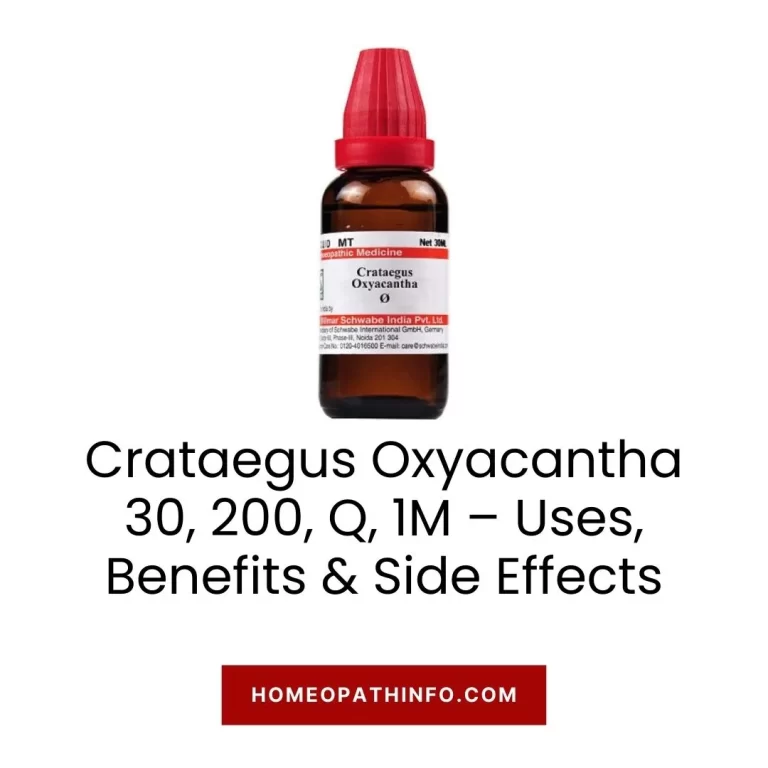
Comparison with Crataegus Oxyacantha
Crataegus Oxyacantha (Hawthorn) is another well-known cardiac remedy in homeopathy. While both remedies address heart conditions, Crataegus is more specifically indicated for structural heart conditions such as hypertension and arteriosclerosis, whereas Naja Tripudians is more focused on functional heart disorders related to anxiety and irregular pulse. Crataegus is often used for conditions with a more pronounced organic pathology, while Naja Tripudians is typically indicated for functional, anxiety-related cardiac symptoms.
Comparison with Lachesis
Lachesis is a remedy prepared from snake venom (from the bushmaster snake) and is known for its deep-acting effects on the cardiovascular system. Lachesis is typically indicated for conditions with a strong mental and emotional component, particularly around jealousy and suspicion. Naja Tripudians, while also prepared from a venom, has a more specific focus on cardiac symptoms and anxiety about heart health, rather than the broader mental and emotional patterns more characteristic of Lachesis. Lachesis may be used for conditions with a strong emotional or mental disturbance, while Naja Tripudians addresses more specific cardiac symptoms.
Comparison with Spigelia
Spigelia is another homeopathic remedy associated with cardiac symptoms, particularly paroxysmal atrial fibrillation and neuralgic pain. While both remedies can address cardiac irregularities, Spigelia is typically indicated for more acute, stabbing pain and conditions with a strong neurgic component, whereas Naja Tripudians is more focused on chronic anxiety-related cardiac symptoms and irregular pulse. Spigelia may be used for conditions with severe pain and spasms, while Naja Tripudians is more for chronic anxiety and functional cardiac issues.
Safety Notes
It is important to note that while Naja Tripudians is a safe homeopathic remedy when properly prepared, chest pain and breathing difficulty can be symptoms of serious medical conditions. These symptoms should never be treated solely with homeopathic remedies without first seeking immediate medical attention from a qualified healthcare professional.
Homeopathic remedies like Naja Tripudians are highly diluted and generally considered safe when prepared correctly. However, they should never be used as a substitute for emergency medical care. If you experience severe chest pain, difficulty breathing, or other symptoms of a medical emergency, you should seek immediate medical attention.
FAQ
What are the primary indications for Naja Tripudians?
Naja Tripudians is primarily indicated for heart-related conditions, including irregular pulse, heart palpitations, chest pain and constriction, anxiety about heart health, throat and speech complaints, and headaches associated with cardiac symptoms.
How does Naja Tripudians differ from Crataegus Oxyacantha?
While both remedies address heart conditions, Crataegus Oxyacantha is more specifically indicated for structural heart conditions such as hypertension and arteriosclerosis, whereas Naja Tripudians is more focused on functional heart disorders related to anxiety and irregular pulse. Crataegus is often used for conditions with a more pronounced organic pathology, while Naja Tripudians is typically indicated for functional, anxiety-related cardiac symptoms.
What potencies of Naja Tripudians are commonly used?
The most commonly used potencies of Naja Tripudians are 6C, 30C, and 200C. The mother tincture is also used in specific cases.
Is Naja Tripudians safe to use?
When properly prepared, Naja Tripudians is considered safe due to its high dilution. However, it should not be used as a substitute for emergency medical care. If you experience severe chest pain, difficulty breathing, or other symptoms of a medical emergency, you should seek immediate medical attention.
Can Naja Tripudians be used for anxiety?
Yes, Naja Tripudians is often indicated for anxiety that is specifically focused on heart health. Patients who experience excessive worry about their heart rate or potential cardiac problems may benefit from this remedy.
How should Naja Tripudians be taken?
Naja Tripudians can be taken in various potencies, typically 6C, 30C, or 200C. The specific dosage and frequency depend on the individual’s symptoms and the guidance of a qualified homeopathic practitioner.
Where can I purchase Naja Tripudians?
Naja Tripudians can be purchased from various homeopathic remedy suppliers, including online retailers like Amazon. When purchasing, look for products with the search terms “Naja Tripudians” and ensure they are from reputable sources.
Disclaimer: This article is for educational purposes only and is not a substitute for professional medical advice, diagnosis, or treatment. Always seek the advice of your physician or another qualified health provider with any questions you may have regarding a medical condition.