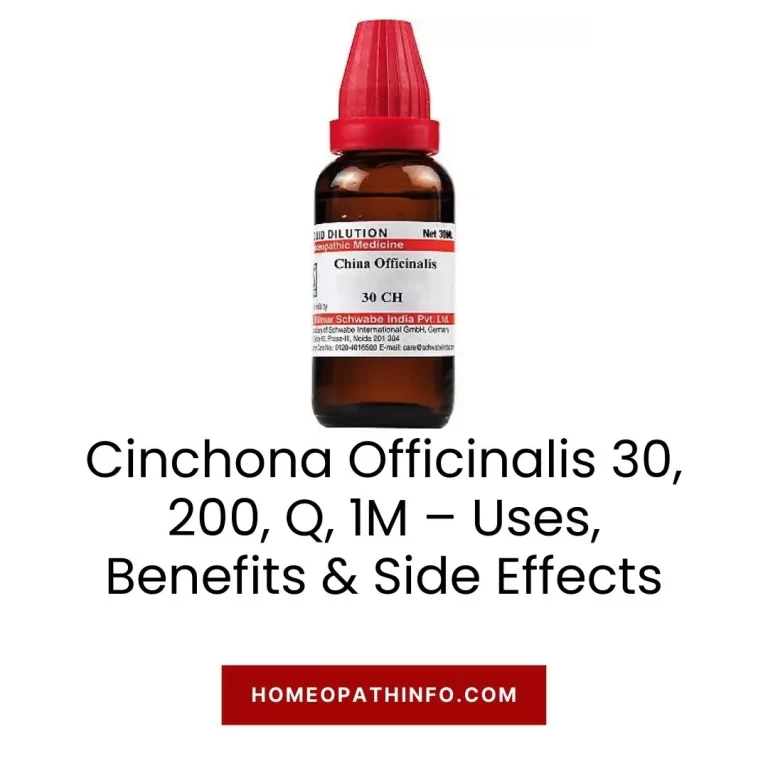
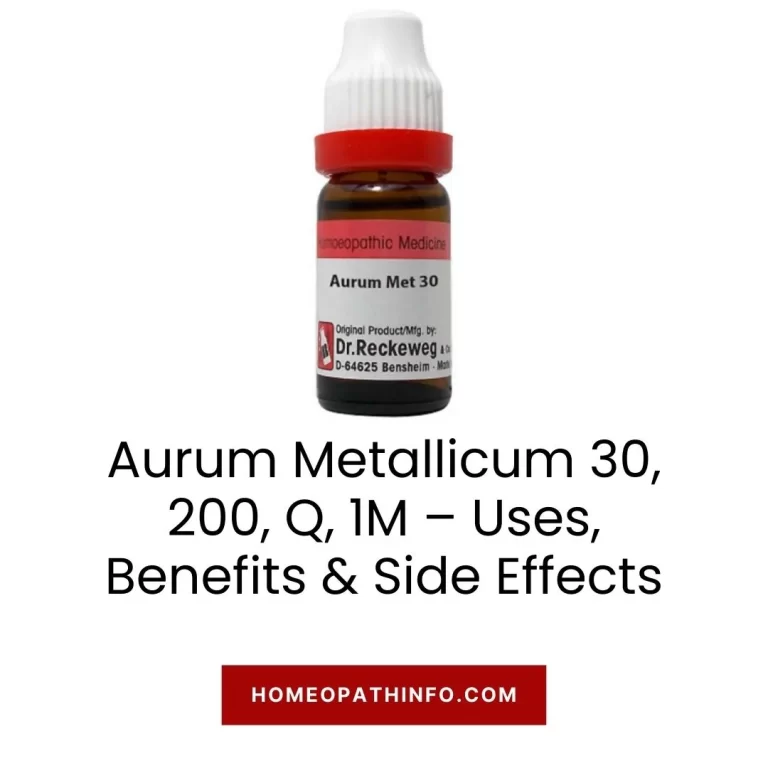
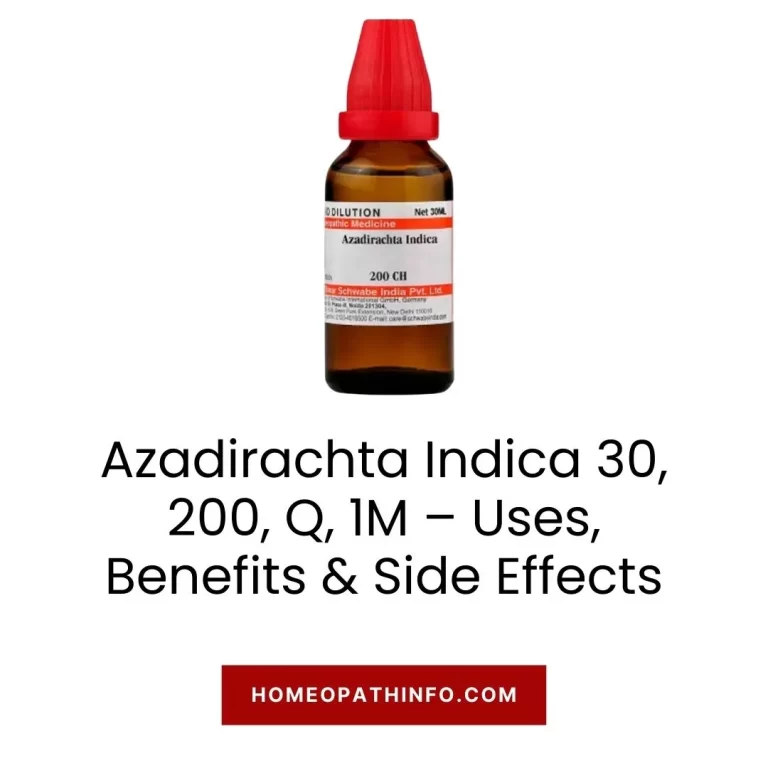
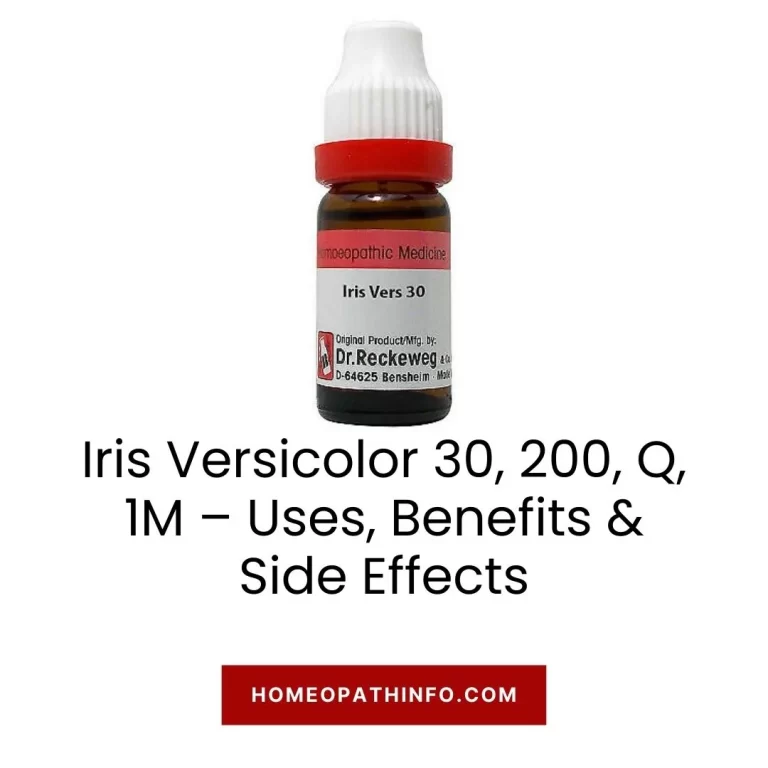
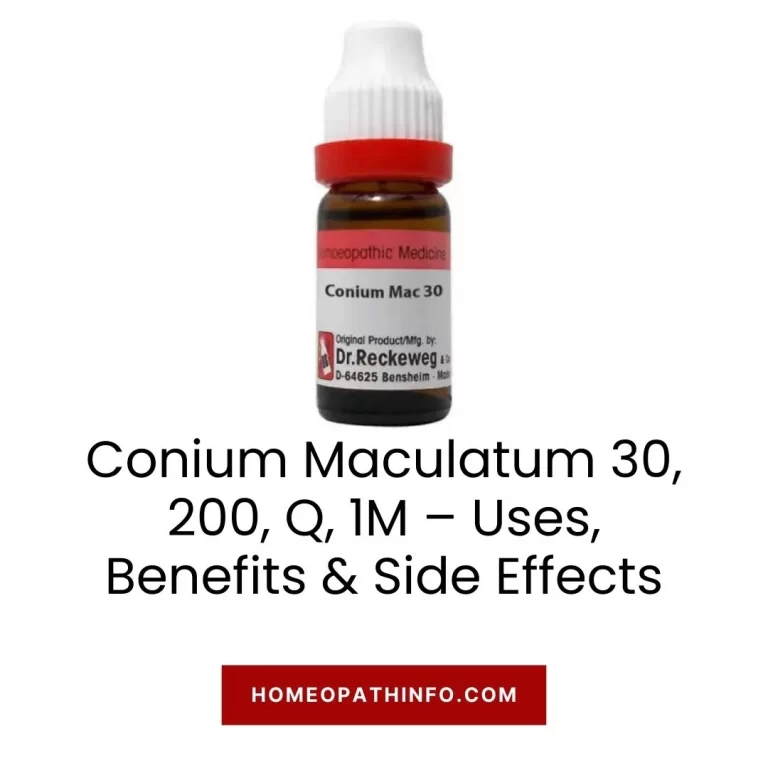
A mother tincture is generally the initial extract from which certain homeopathic preparations are made, while a diluted remedy has undergone serial dilution and succussion. The terms should not be treated as interchangeable. A mother tincture can contain more of the original substance and may have pharmacological or toxicological considerations, depending on the ingredient and preparation. A potentized product on an X or C scale is prepared through a different process, but its safety still depends on the exact product, ingredients, dose, user, and medical context. Neither form should be promoted as a cure or used to replace professional care.
Definition: mother tincture and potency
In homeopathic manufacturing, the mother tincture is commonly described as a base preparation made from a source material such as a plant, mineral, or other substance using an appropriate solvent and process. It is not necessarily the same as a consumer herbal extract, and the label should be read carefully. A mother tincture may be designated with “Q” or another manufacturer-specific notation, but terminology and standards can vary by market.
A potency is prepared through serial dilution and succussion. X scales traditionally use a tenfold step, while C scales use a hundredfold step; the number indicates repeated preparation stages within that system. Homeopaths may select potency according to the case, sensitivity, acute or chronic context, and prescribing school. The label alone does not determine whether a product is appropriate.
- Mother tincture: starting or concentrated preparation.
- X scale: traditionally tenfold dilution steps.
- C scale: traditionally hundredfold dilution steps.
- Succussion: shaking step in potentization.
- Exact ingredients and labeling still matter.
How the two forms differ
The practical difference is concentration and expected exposure to the original material. A mother tincture may have a stronger taste, color, alcohol content, or direct ingredient effect. A highly diluted potency may contain little or none of the original substance depending on the preparation and dilution, though homeopathic theory assigns significance to the preparation process. That theoretical claim should not be confused with evidence of clinical effectiveness.
Deal alert: Prime Big Deal Days is on
Right now on Amazon, Prime Big Deal Days brings Prime Day-level prices with free fast Prime shipping. The discount ends [Sunday] — and popular items sell out early.
Buy From Amazon As an Amazon Associate I earn from qualifying purchases.A mother tincture can therefore require more attention to contraindications, allergies, pregnancy, age, liver or kidney disease, and interactions. A diluted product is not automatically risk-free: products can be mislabeled, contaminated, incorrectly prepared, or combined with active ingredients. Check the entire label rather than relying on the word “homeopathic.”
- Concentration is not the only safety factor.
- Mother tinctures can have active ingredient exposure.
- Diluted products may still contain excipients or contaminants.
- Preparation quality and labeling matter.
- Personal medical context changes risk.
Comparison with herbal extracts and diluted potencies
Herbal extracts are made to deliver plant constituents and may be standardized or concentrated. A mother tincture is a homeopathic starting preparation but may also expose the user to constituents of the source material. A diluted potency is prepared through a homeopathic scale of dilution and succussion, often with a different intended theory of action. These categories should not be marketed as equivalent.
For practical safety, ask what is physically in the bottle, how much is taken, what solvent is used, and who should avoid it. A pharmacist or clinician can review interactions. A practitioner should not use the distinction to dismiss symptoms, recommend an unlabelled product, or promise that a mother tincture will replace medical treatment.
- Herbal extract: intended to retain active constituents.
- Mother tincture: homeopathic base preparation, often more concentrated.
- Diluted potency: serial dilution and succussion on an X or C scale.
- All products: require reliable labeling and context-specific advice.
Choosing and handling a product
Check the full name of the source material, notation, solvent, manufacturer, batch information, directions, warnings, and expiry information. Do not transfer liquid into an unlabelled bottle. Store according to the label, away from children and pets, and keep it separate from medicines that look similar. Never assume that a product is suitable because it is sold over the counter.
If the product is being considered during pregnancy, breastfeeding, childhood, older age, surgery, liver or kidney disease, or alongside prescription medicines, seek professional advice first. Ask the homeopath to explain whether the recommendation is a mother tincture, low potency, high potency, combination, or another preparation and why.
- Read the exact label and source material.
- Confirm solvent and dose.
- Check special-population precautions.
- Store securely and retain packaging.
- Review interactions with a pharmacist.
When to seek help
Stop and seek medical advice for allergic symptoms, severe vomiting, confusion, fainting, breathing difficulty, unusual bleeding, severe abdominal pain, or any suspected poisoning. Bring the bottle or a clear photograph of the label. Do not induce vomiting or rely on a second remedy to counteract an unwanted reaction.
If a chronic or serious condition is being treated, arrange professional care rather than escalating a mother tincture or potency. Homeopathic aggravation language should never replace toxicity assessment or emergency advice.
- Breathing difficulty or facial swelling.
- Fainting, confusion, or severe vomiting.
- Suspected poisoning or overdose.
- Rapidly worsening symptoms or treatment failure.
Frequently Asked Questions
Is a mother tincture the same as an herbal supplement?
No. They may overlap in source materials, but the preparation, labeling, intended use, and regulatory context can differ.
Is a highly diluted potency always safe?
No product is automatically risk-free; check ingredients, quality, and personal medical circumstances.
What do X and C mean?
They traditionally describe different dilution scales used in homeopathic preparation.
Can I use a mother tincture instead of medicine?
No. It should never replace prescribed treatment or professional evaluation.
General educational content; not a substitute for professional medical advice, diagnosis, or treatment. Always consult a qualified clinician for serious or worsening symptoms.