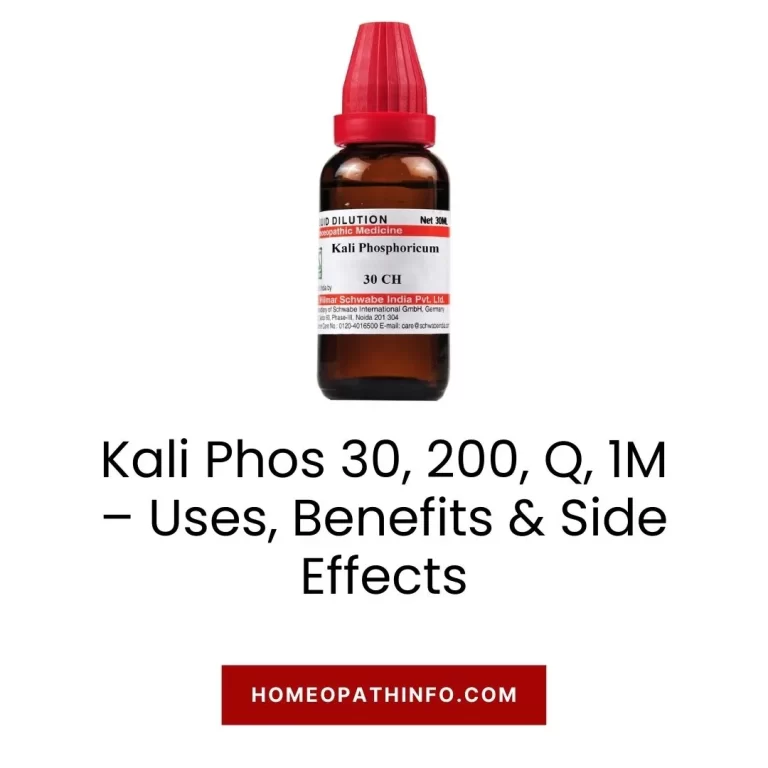
Homeopathic remedies themselves are described as very low-risk because of the extreme dilution involved, but “low-risk” is not the same as “no risk.” The real dangers in homeopathy are almost never the sugar pill — they are delay of necessary medical treatment, substitution of a remedy for a proven therapy, undisclosed use alongside prescription medicines, and mistakes with the carrier, such as alcohol-based mother tinctures or sugar-containing pills. Used as complementary support with clear boundaries, the risks are small; used as a replacement for medical care, they can be serious.
Why the Remedy Itself Is Considered Low-Risk
Serial dilution with vigorous succussion means that at higher potencies — such as 30C, 200C, or 1M — little or none of the original substance remains in measurable quantity. On that basis, the remedy cannot produce the kind of organ toxicity, dosing errors, or overdose effects associated with conventional drugs. Succussion and dilution are not accidents of preparation; they define the medicine.
However, this same reasoning is why homeopathy cannot be treated as a substitute for treatments that work by measurable mechanisms. Low risk and high efficacy are separate questions, and conflating them is the mistake that causes harm.
The Four Real Risks
1. Delay: The Most Serious Risk
If a condition is treatable and time-sensitive, weeks spent waiting for a remedy to act can change the outcome. This is the danger clinicians worry about, and it is a genuine one. Symptoms that should never be managed homeopathically without medical assessment include:
Deal alert: Prime Big Deal Days is on
Right now on Amazon, Prime Big Deal Days brings Prime Day-level prices with free fast Prime shipping. The discount ends [Sunday] — and popular items sell out early.
Buy From Amazon As an Amazon Associate I earn from qualifying purchases.- Chest pain, breathlessness, or palpitations
- Sudden weakness, numbness, confusion, or difficulty speaking
- Unexplained weight loss, night sweats, or persistent lumps
- Bleeding that is unexplained or ongoing
- A fever that will not settle, especially in an infant
- A wound that is spreading, hot, or discharging
- Severe abdominal pain, or pain that wakes a child at night
2. Substitution
Replacing antibiotics in a bacterial infection, insulin in diabetes, inhaled therapy in asthma, or anti-epileptic medication with a remedy is not a homeopathic practice — it is an unsafe one. Never stop or reduce a prescribed medicine on the strength of a remedy.
3. Undisclosed Use
Potentised remedies are unlikely to interact with prescription drugs. The interaction risk sits with the wider category: herbal products, concentrated mother tinctures, and supplement blends. If you do not tell your clinician what you are taking, you remove their ability to spot a problem.
4. The Carrier and the Form
What the remedy is delivered in can matter even when the remedy itself is inert.
- Alcohol content — mother tinctures and low potencies may be prepared in an alcohol base. This matters for people avoiding alcohol, for children, and in some religious or medical contexts.
- Sugar base — pills are usually lactose or sucrose. That is relevant for people with lactose intolerance or diabetes who are counting carbohydrate.
- Contamination and storage — poorly stored or contaminated products are a quality problem, not a homeopathic one.
Aggravation: Uncomfortable but Not the Same as Harmful
Homeopaths describe an aggravation — a temporary intensification of symptoms shortly after a dose — and sometimes a healing crisis as an old symptom briefly resurfaces. In homeopathic practice these are read as signs the remedy has been noticed, and they are expected to be brief and followed by improvement. What a practitioner should treat as a problem rather than a milestone:
- A reaction that is severe, prolonged, or frightening
- New and unrelated symptoms that appear after each dose
- Symptoms that keep escalating with repetition
In those cases the correct response is to stop, report to the practitioner, and seek medical advice if the symptoms are significant.
Homeopathy vs. Conventional Medicine on Risk
The comparison is genuinely two-sided, and pretending otherwise damages both.
- Conventional medicines carry real, documented risks — adverse effects, interactions, and dosing errors — because they act through measurable mechanisms at measurable doses. Those risks are studied, monitored, and reported.
- Homeopathic remedies carry minimal direct pharmacological risk for the reasons above, but a risk of indirect harm when they displace effective treatment or delay diagnosis.
- The honest takeaway — “gentle” describes the remedy, not the decision to use it. The decision is where care is required.
Safe Use: A Practical Checklist
- Confirm the diagnosis first. Get a medical assessment before treating a persistent symptom homeopathically.
- Keep conventional care for what it does well — infections, emergencies, chronic disease management, and anything with red flags.
- Tell everyone. Disclose remedies, potencies, and supplements to both your homeopath and your doctor.
- Follow the dosing plan and do not escalate potency on your own.
- Stop and reassess if symptoms worsen steadily or new symptoms keep appearing after doses.
- Check the label for alcohol, sugar, and expiry, and store remedies away from heat, light, and strong odours.
- Never give a remedy instead of emergency care.
Higher-Risk Groups: Children, Pregnancy, and Older Adults
The remedy is not the concern in these groups; the decision-making is.
- Infants and young children. A baby who is drowsy, refusing fluids, breathing quickly, or running a fever that will not settle needs medical assessment, not a remedy. Low potencies are often described as gentle for minor complaints, but dosing should follow a qualified practitioner’s advice.
- Pregnancy. Potentised remedies are described as very low-risk, but any symptom in pregnancy should be assessed by a midwife or clinician — especially bleeding, severe headache, reduced fetal movement, or swelling.
- Older adults. Multiple prescribed medicines raise the stakes on disclosure. Falls, confusion, chest pain, and breathlessness are medical situations.
- People with chronic disease. Diabetes, asthma, epilepsy, thyroid disease, and heart conditions need uninterrupted management. Homeopathy can only be considered as an addition, with the prescriber informed.
Quality, Storage, and Counterfeit Risks
Most “bad reactions” reported with homeopathic products trace back to product quality rather than to the remedy itself.
- Unverified sellers. Repackaged, mislabelled, or counterfeit products are a real problem, particularly online.
- Misleading labels. Some products marketed as homeopathic contain measurable herbal or mineral quantities and behave pharmacologically.
- Poor storage. Heat, direct light, strong odours, and humidity degrade remedies. Keep them in their original container, away from the kitchen and bathroom.
- Expiry. While remedies are not medicines that “go off” in the usual pharmacological sense, label dates and storage conditions still matter for quality assurance.
If You Suspect Harm: What to Do
- Stop the product and set it aside in case it needs to be identified.
- Note what happened — the dose, the timing, and the symptoms.
- Seek medical advice if the symptoms are significant, and mention the product by name.
- Report it to the practitioner and, where a formal scheme exists in your country, to the relevant regulator or manufacturer.
- Review the decision, not just the dose. If the underlying problem needed medical treatment, get it assessed now.
Reading a Label Before You Buy
A few seconds with the label prevents most avoidable problems.
- Is the potency stated? A genuine homeopathic product names the remedy and its potency, for example Belladonna 30C, rather than listing a vague blend.
- Who made it? A traceable manufacturer with a batch number and expiry date is a basic quality marker.
- What is the base? Alcohol, lactose, and sucrose are the common carriers, and each matters to some users.
- Does the packaging promise a cure? Marketing that promises outcomes for a named disease is a warning sign, not a selling point.
- Is the seller legitimate? Repackaged or counterfeit products are far more likely from unverified online sellers.
Frequently Asked Questions
Can you overdose on a homeopathic remedy?
Because of the extreme dilution, potentised remedies do not behave like conventional drugs and there is no toxic dose in the usual sense. Taking several doses by mistake is generally described as low-risk, but you should still report it to your practitioner.
Can homeopathic remedies cause side effects?
Homeopaths describe temporary aggravations rather than pharmacological side effects. If a reaction is severe or prolonged, stop and seek advice. Always rule out a medical cause for new symptoms.
Are homeopathic remedies safe for babies and in pregnancy?
Low potencies are often described as gentle for infants and during pregnancy, but this should be discussed with a qualified practitioner who knows the case. Never use a remedy in place of medical assessment for an infant who is unwell.
Do homeopathic remedies interact with my prescription medicine?
Potentised remedies are unlikely to interact. The genuine interaction concerns are concentrated herbal products, mother tinctures, and supplements — so disclose everything rather than deciding for yourself what is relevant.
What is the biggest danger of using homeopathy?
Delay. Not the remedy, but the time lost before a treatable condition is correctly diagnosed and managed.
Are homeopathic remedies safe with blood thinners or heart medication?
Potentised remedies are not expected to interact with these medicines. The precaution that matters is disclosure, especially for herbal products, tinctures, and supplements alongside anticoagulants or cardiac drugs.
Can a remedy be used instead of a painkiller?
For minor, self-limiting discomfort, homeopaths may describe an individualised remedy as an option. For severe, unexplained, or persistent pain, medical assessment comes first — pain is information about the body that should not simply be masked or managed indefinitely.
Check prices on Amazon
Homeopathic remedies discussed in this article. As an Amazon Associate, this site earns from qualifying purchases.
- Belladonna 30C – check price
General educational content; not a substitute for professional medical advice, diagnosis, or treatment. Always consult a qualified clinician for serious or worsening symptoms.