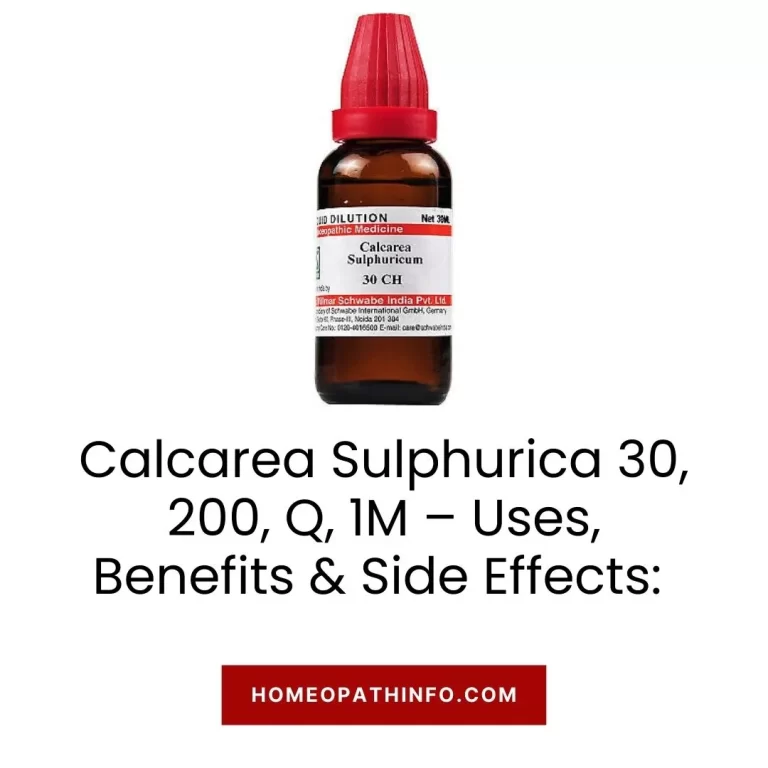
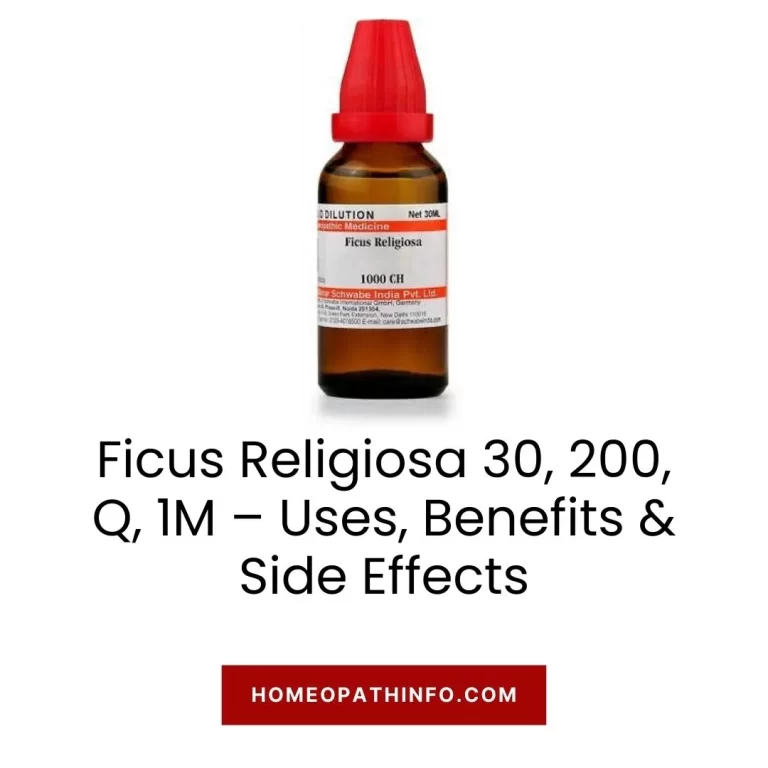
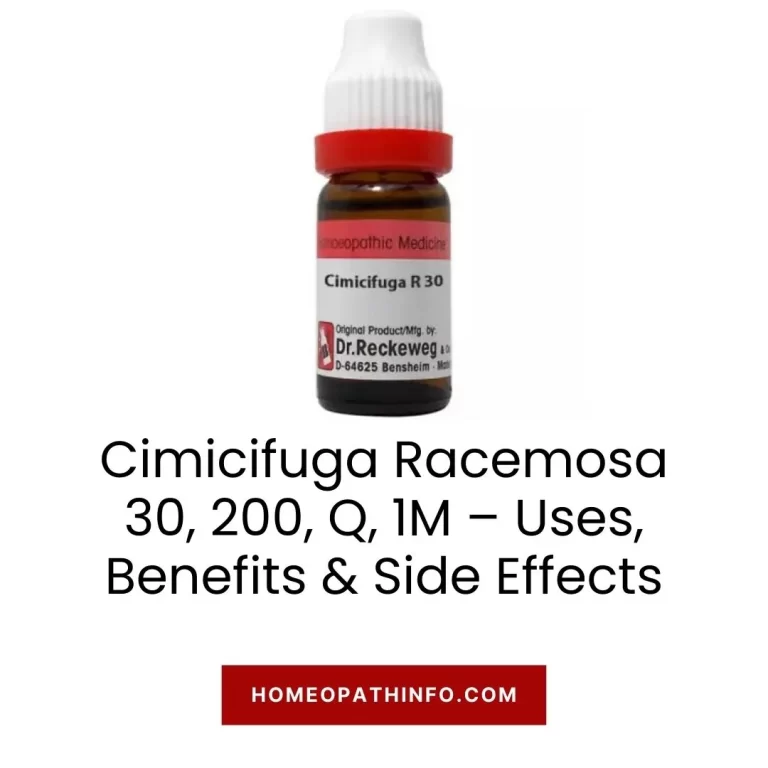
Mother tinctures are stored in tightly capped dark glass, kept out of sunlight and heat, and used within their stated shelf life, because they are alcohol-and-water botanical extracts whose strength can drift as the alcohol evaporates. Dosing at home follows a simple homeopathic convention: a small number of drops stirred into water rather than taken undiluted from the bottle, measured with a clean dropper, and timed around meals according to the purpose. Because a tincture still contains plant material and alcohol, storage and measurement matter more here than for potency pills — and keeping a written label on every bottle is the single most useful habit.
Why Storage Matters More for Tinctures Than for Potencies
With a high potency, there is essentially no plant material left to degrade — the globule is a sugar pill carrying the preparation’s history. With a mother tincture, the liquid is the preparation. That difference drives every storage rule:
- Alcohol evaporates. A poorly sealed bottle can slowly concentrate, changing the ratio of alcohol to water.
- Light degrades plant constituents. Aromatic and bitter compounds are the ones most affected.
- Heat accelerates change. A windowsill or a warm kitchen shelf shortens useful life.
- Water content allows microbial growth if the alcohol level drops or the bottle is contaminated by a used dropper.
The Storage Rules
Container
Dark amber or cobalt glass with a tightly fitting dropper cap is the standard. Avoid decanting into clear plastic, which both lets light through and can interact with the contents.
Location
A cool, dark cupboard away from the stove, the kettle, and direct sun. A dedicated first-aid shelf or box is ideal because it also keeps the tinctures grouped and labelled together.
Deal alert: Prime Big Deal Days is on
Right now on Amazon, Prime Big Deal Days brings Prime Day-level prices with free fast Prime shipping. The discount ends [Sunday] — and popular items sell out early.
Buy From Amazon As an Amazon Associate I earn from qualifying purchases.Temperature
Room temperature and stable is the goal. Freezing is unnecessary and can affect the extract; leaving a bottle in a hot car is the most common way people ruin one.
Shelf Life and Labelling
- Note the opening date on the bottle when you first use it, not just the printed expiry.
- Pre-mixed wash solutions should be made fresh and discarded the same day.
- Discard a tincture if the smell turns sharp or sour, the liquid becomes cloudy, or a deposit forms.
- Never top up an old bottle with a new one — you lose all trace of the actual age of the contents.
Dosing at Home: The Practical Conventions
Homeopathic literature uses a few consistent patterns. The exact numbers vary by practitioner, so the important thing is the method rather than one “correct” figure.
- Drops into water. The usual home method is a small number of drops of tincture added to a glass of water, then stirred. Undiluted drops straight from the bottle are not the norm for internal use.
- A clean dropper every time. Never let a dropper touch your mouth, a spoon, or a wound and then go back into the bottle.
- Measure consistently. Use the same dropper and the same glass size so your own record is comparable over days.
- Take by spoon if preferred. A spoonful of the diluted mixture is a common alternative to sipping the whole glass.
- Keep a short record. Date, amount, and what changed. This is the same case-taking habit homeopaths use.
Timing and Frequency
- Before meals: traditional for bitters used to nudge appetite.
- After meals: traditional for heaviness and bloating.
- Around the homeopathic “interval”: homeopathic practice spaces doses and observes the response rather than dosing automatically. If improvement is holding, the interval lengthens.
- Short, bounded courses: a few days of reassessment is the norm for self-care, not indefinite daily use.
Traditional “Antidote” Cautions
Homeopathic tradition advises keeping strong flavours away close to a dose — coffee, mint toothpaste, strong perfumes, and pungent foods. Whether this matters for a material tincture is contested, but the practical version of the advice costs nothing: take the dose, then wait a little before coffee or a mint.
Tincture vs. Potency: Storage and Dosing Side by Side
- Mother tincture: dark glass bottle, dropper, alcohol base, measurable shelf life, internal use in diluted drops, topical use in wash form.
- Low potency (6C, 30C): small vial of globules or a dropper bottle of liquid potency, no material plant content, long practical shelf life, dosed as a few pills or drops.
- Travel: potencies travel easily and are not classed as liquids; tinctures are liquids and can leak, so bag them.
- Children and pregnancy: tinctures bring an alcohol consideration that potencies do not.
Travel, Heat, and Humidity
Three practical situations cause most tincture spoilage:
- A hot car. Temperatures in a parked car can ruin a tincture in a single afternoon. Carry it inside with you.
- Air travel. Liquids face volume limits and pressure changes can force leaks. Double-bag the bottle and choose a small volume.
- Humid bathrooms. A steamy bathroom is a poor storage place for any alcohol-based extract because of the moisture.
Special Populations and Safety Framing
- Children: homeopathic practice favours the most diluted form, topical use where possible, and practitioner guidance for anything internal.
- Pregnancy and breastfeeding: the alcohol content is the main consideration; discuss with a clinician rather than self-prescribing.
- Anyone avoiding alcohol: a tincture is not alcohol-free. Potencies in sugar globules are the usual alternative.
- People on regular medication: check interactions with a pharmacist, because extracts can interact where ultra-diluted potencies are unlikely to.
- Children’s access: lock the kit away. The alcohol content alone is a reason.
A Simple Home Record Sheet
Keeping a short log makes a homeopathic consultation far more useful, because a homeopath’s case-taking depends on the detail of what changed and when. Five columns are enough: date, tincture and strength, amount and route, timing relative to food, and what you noticed. Two weeks of that record often tells you more than any single dose.
Common Storage Mistakes and What They Cost
Most spoiled tinctures are spoiled by one of five avoidable habits. Each has a specific consequence, which makes it worth naming rather than listing as vague advice.
- Leaving the cap loose. Alcohol evaporates and the alcohol-to-water ratio drifts, changing the preparation gradually.
- Storing it on a windowsill or above the stove. Light and heat both accelerate change in the aromatic and bitter constituents that give the tincture its character.
- Decanting into a clear plastic bottle. Plastic lets light through and can interact with the contents.
- Using the same dropper across bottles. Cross-contamination changes both bottles and destroys the traceability of what is in each.
- Topping up an old bottle. You lose all record of how old the contents actually are.
A tincture that has genuinely spoiled usually announces itself: a sharp or sour smell, a cloudy appearance, or a deposit that was not there before. None of those are normal, and homeopathic practice treats them as reasons to discard rather than to use up.
Reading Your Own Records: What Improvement Looks Like
Because homeopathic practice depends on observation, a short written record is not paperwork — it is the method. The useful thing to notice is the direction of change, not the size of any single day.
- Sleep first. Sleep quality and the ease of falling asleep often shift before anything else.
- Energy. A return of ordinary energy in the afternoon is a common early sign.
- The chief complaint. Frequency, intensity, and duration of the specific symptom — not just “better” or “worse”.
- Direction over time. Three days of mild improvement is more meaningful than one unusually good day.
- Anything new. A new symptom during a course is worth writing down and worth mentioning to a practitioner.
What the record does not do is tell you whether a tincture “worked” in a measurable sense. Homeopathic tradition describes response patterns rather than measured outcomes, and the record exists to inform the next decision — reduce, repeat, or stop — rather than to prove a claim.
A Short Note on Timing and the “Interval”
The interval is one of homeopathy’s distinctive practical ideas. Rather than dosing on a fixed clock regardless of response, the practitioner gives a dose and then waits — observing how long the effect appears to hold before deciding what comes next. Applied to a mother tincture, the practical expression is modest: use it in a short, defined block, note what happened, and change one thing at a time. That is the whole discipline, and it is what separates a deliberate trial from random use.
Frequently Asked Questions
Does a mother tincture expire?
Yes, in practice. Mother tinctures have a stated shelf life and their alcohol and water balance can drift over time. If the smell turns sharp, the liquid clouds, or a deposit forms, discard it.
Can I keep a mother tincture in the fridge?
A cool, dark cupboard is the usual home recommendation. The fridge is acceptable if the bottle is tightly capped and kept away from strong-smelling food, but it is not required.
How many drops of mother tincture should I use?
Homeopathic literature describes small numbers of drops diluted into water rather than a single standard figure, and conventions vary by practitioner and by substance. For anything beyond short-term self-care, follow practitioner guidance.
Should I take a tincture at the same time as a potency remedy?
Homeopathic practice often separates the two in time instead of stacking them, and combination decisions are best made with a practitioner rather than improvised at the shelf.
Can I reuse a dropper from another bottle?
No. Cross-contamination changes both bottles. Keep each dropper with its own tincture and never let one touch a mouth, spoon, or wound before returning it.
General educational content; not a substitute for professional medical advice, diagnosis, or treatment. Always consult a qualified clinician for serious or worsening symptoms.