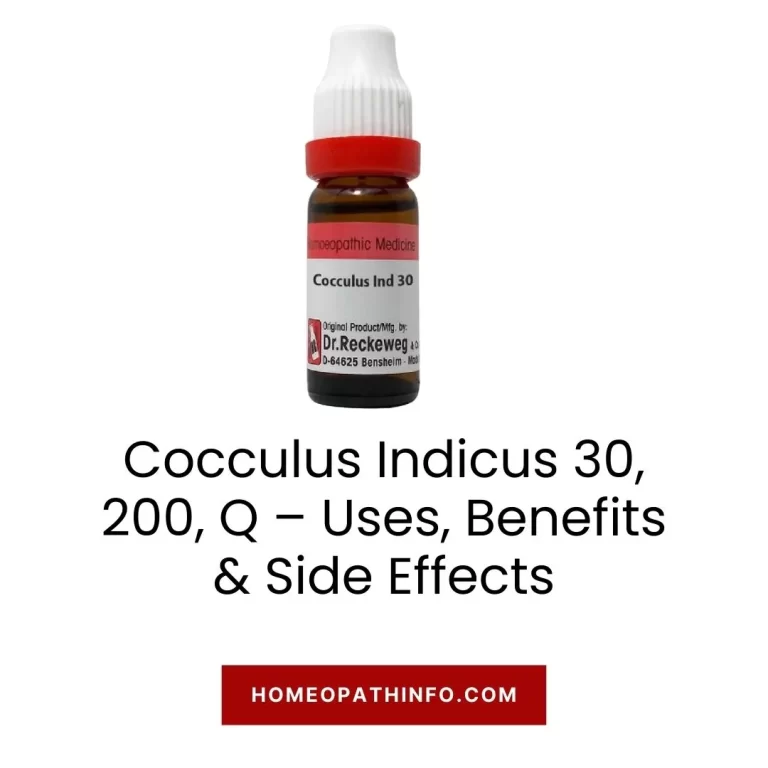
For digestive upsets, mother tinctures are traditionally used as small, diluted internal doses — a few drops stirred into water and sipped — rather than as undiluted drops straight from the bottle. Homeopathic practice associates a handful of bitter and mucilaginous plant tinctures with everyday digestive complaints: Hydrastis canadensis with thick catarrh and sluggish mucous membranes, Chelidonium majus with right-sided bilious heaviness, Taraxacum officinale with a coated tongue and sluggish liver-gut function, and Gentiana lutea with simple loss of appetite. These are traditional pairings, not proven treatments, and they belong alongside — never instead of — ordinary dietary care and medical assessment.

What “Digestive Upset” Actually Covers
Before reaching for anything, it helps to separate the ordinary from the concerning:
- Ordinary and situational: heaviness after a large meal, transient bloating, mild heartburn after a trigger food, appetite that dips during stress or travel.
- Recurrent and pattern-forming: bloating after most meals, a coated tongue in the morning, alternating constipation and looseness, a “full” feeling after small amounts.
- Flags that need a doctor: unintentional weight loss, black or bloody stools, persistent vomiting, difficulty swallowing, pain that wakes you at night, symptoms starting after age 55, or a family history of gastrointestinal disease.
Mother tinctures are discussed in homeopathic practice almost entirely within the first two categories, and specifically as a short-term, gentle measure while the underlying pattern is examined.
Why a Tincture Rather Than a Potency for Digestion?
This question comes up constantly, and the honest answer is that both are used — but for different reasons.
- Mother tincture (Q): contains the plant’s bitter and aromatic principles; traditionally used for short-term, taste-driven digestive support; taken in drops.
- Low potency (6C, 12C, 30C): the more common oral homeopathic form; dosed as pills or drops; selected by the detailed symptom picture rather than by the plant’s direct bitter effect.
- Practical difference: with a tincture you can taste the substance and it acts like a botanical bitter. With a potency you are working within the homeopathic framework of similars rather than relying on direct physiological effect.
A crisp way to hold the distinction: the tincture is a botanical extract used by tradition; the potency is a dynamised preparation selected by symptom similarity. Mixing the two logics without realising it is the most common source of confusion for newcomers.


The Traditionally Used Digestive Tinctures
Hydrastis canadensis (Golden Seal)
Homeopathic materia medica links Hydrastis to thick, stringy mucous discharges, a sensation of fullness in the upper abdomen, and a general debility after digestive illness. In tincture form it is used in tiny diluted doses, typically short term. Because golden seal is a plant of conservation concern, it is also one of the tinctures homeopaths most often say should be used sparingly.
★ VIP MEMBERSHIP : Get a Dedicated Homeopath in Your Pocket All Month
Healing chronic issues takes ongoing adjustments. Unlock a full month of direct, 1-on-1 text access to Dr. Sheikh Abdullah for tailored remedy protocols, acute family care, and holistic follow-ups whenever you need them. 100% private written consultations • No video calls required • Cancel anytime.
Start Your Consultation As an Amazon Associate I earn from qualifying purchases.Chelidonium majus (Greater Celandine)
Chelidonium is classically associated with right-sided digestive heaviness, a yellowish-coated tongue, and a bilious feeling after rich or fatty food. In homeopathic practice it appears when the discomfort has a distinct right-sided, liver-and-gallbladder flavour to it.


Taraxacum officinale (Dandelion)
Taraxacum is linked in tradition to a thickly coated tongue, a dull morning heaviness, and sluggish digestion generally. As a bitter tincture it is one of the gentler choices in this group.
Gentiana lutea (Gentian)
The archetypal bitter. Traditionally used for simple loss of appetite and a flat, uninterested stomach. The classic homeopathic instruction is to take a bitter preparation shortly before a meal, when the aim is to nudge appetite.


Iris versicolor (Blue Flag)
Traditionally associated with burning, watery discharges and a feeling of heat in the digestive tract, and classically with digestive complaints that come with a headache across the brow.
Condurango (Marsdenia condurango)
Classically linked to a “cracked” or fissured tongue and a sore, sensitive stomach lining in the homeopathic literature — again, a tradition of practice rather than a proven effect.
Zingiber (Ginger) and Mentha piperita (Peppermint)
Too familiar to feel exotic, but both appear in homeopathic pharmacy as tinctures. Ginger is traditionally used for cold, nauseated stomachs; peppermint for trapped wind and a bloated, distended feeling.
How They Are Traditionally Taken
- Drop method: a small number of drops of tincture — commonly described in homeopathic literature as a few drops rather than a dropperful — stirred into a glass of water.
- Sip or swallow: some traditions sip the glass slowly; others take a spoonful of the mixture.
- Timing: bitters traditionally before meals, when appetite is the goal; digestive discomfort remedies after meals.
- Frequency: short, bounded periods rather than indefinite daily use. Homeopathic practice tends to reassess after a few days.
- Alcohol sensitivity: the ethanol base is a real consideration for children, in pregnancy, and for anyone avoiding alcohol.
Mother Tincture vs. Antacid vs. Potency — A Comparison
- Antacid or acid-suppressing medicine: acts quickly on acid-related symptoms; the appropriate medical tool where reflux is diagnosed or persistent.
- Mother tincture: a botanical bitter or aromatic extract; gradual, taste-led, traditional; not a substitute for diagnosed treatment.
- Homeopathic potency: selected by symptom picture within the law of similars; the practitioner’s tool for recurring, patterned digestive complaints.
- Where each fits: medical treatment for diagnosed disease; diet and routine for the everyday baseline; tinctures as a traditional adjunct where the picture is mild and short-lived.
Interactions and Cautions Worth Stating
- Some herbs used in tincture form — including chelidonium — are discussed in the herbal literature as having liver-related cautions. Homeopathic practice keeps such tinctures low-dose and short-term for this reason.
- Alcohol-based tinctures are generally avoided or discussed with a clinician during pregnancy, while breastfeeding, and for young children.
- Do not stop or reduce prescribed gastrointestinal medicine to try a tincture.
- Stop immediately and seek advice if symptoms worsen or any red flag appears.
- Discuss any tincture with a pharmacist or clinician if you take regular medication, because botanical extracts can interact.
The Honest Evidence Position
Two claims should be kept apart. The bitter-taste response — the reflexive digestive preparation triggered by tasting something bitter — is a recognised physiological idea in the herbal literature and gives the tincture its intuitive rationale. The homeopathic symptom-matching framework applied to these same plants is a tradition of practice. Homeopaths hold that the tincture supports ordinary digestion; the defensible statement is that it is a long-standing, gentle, low-risk-when-diluted tradition, not a demonstrated remedy for gastrointestinal disease.
Bitters, Aromatics, and Mucilages: The Three Families
Homeopathic tinctures used for digestion fall into three loose families, and knowing which family a tincture belongs to explains why it is used when it is.


★ VIP MEMBERSHIP : Get a Dedicated Homeopath in Your Pocket All Month
Healing chronic issues takes ongoing adjustments. Unlock a full month of direct, 1-on-1 text access to Dr. Sheikh Abdullah for tailored remedy protocols, acute family care, and holistic follow-ups whenever you need them. 100% private written consultations • No video calls required • Cancel anytime.
Start Your Consultation As an Amazon Associate I earn from qualifying purchases.Bitters
Gentian, Taraxacum, and Chelidonium are the classic examples. Their rationale in the herbal literature is the bitter-taste response — the reflexive digestive preparation triggered when bitter compounds meet the tongue. This is why homeopathic tradition places bitters before a meal when appetite is the goal, and why the taste itself is part of the point rather than an inconvenience to be masked.
Aromatics
Ginger and peppermint are the familiar representatives. Aromatics are traditionally associated with trapped wind, a cold or queasy stomach, and the distended feeling after a heavy meal. Their effect is felt quickly and locally, which is part of why they are among the gentlest first things people reach for.
Mucilaginous and Demulcent Tinctures
Hydrastis and Condurango sit here. They are traditionally linked to thick discharges, a coated or fissured tongue, and a sore, sensitive surface in the digestive tract. In homeopathic descriptions they appear where the complaint feels more about the quality of the lining than about simple mechanical heaviness.
The three families are a way of organising traditional knowledge, not a classification with measured pharmacology behind it. Used together in one plan without thought, they can also work against each other — a bitter before a meal and an aromatic after it is a coherent routine, but three tinctures at once is not.
Diet and Routine Alongside a Tincture
No tincture can outrun a digestive routine that is working against it. Homeopathic practice has always paired remedies with regimen, and the regimen is where most of the everyday change actually happens.
- Meal rhythm. Regular, unhurried meals tend to matter more than any specific food rule.
- Portion and pace. Overeating quickly is the commonest trigger for the post-meal heaviness tinctures are traditionally used for.
- Chewing. Unfashionable advice, and the most reliable one for a sensation of upper-abdominal fullness.
- Late meals. A meal within an hour or two of lying down aggravates reflux patterns regardless of what is in the glass.
- Alcohol and coffee. Both are common aggravators; homeopathic tradition also advises spacing them away from a remedy dose.
- Stress and sleep. The stress-gut link is why a digestive complaint often improves when the sleep does.
- Movement. A short walk after a heavy meal is a traditional measure that costs nothing.
The honest sequencing is: fix the routine, add the gentle measure, and reassess. A tincture chosen well but taken alongside an unchanged trigger is being asked to do a job it cannot do.
Frequently Asked Questions
Can mother tinctures cure indigestion?
No remedy should be described as a cure. Homeopathic practice frames tinctures as a gentle, traditional support for mild, short-lived digestive discomfort, used alongside dietary care and medical advice where needed.
Should I take a tincture before or after food?
Tradition varies with the aim: bitters such as Gentian are classically taken shortly before a meal to nudge appetite, while tinctures used for post-meal heaviness are taken afterwards.
How long should I use a digestive tincture?
Homeopathic practice generally uses them in short, bounded periods and reassesses after a few days. Persistent digestive symptoms need medical assessment rather than longer tincture use.
Can I take a digestive tincture with my prescription medication?
Ask a pharmacist or clinician first. Botanical extracts and the alcohol base can interact with medicines, and this is best checked individually.
Is a mother tincture the same as the 30C potency of the same plant?
No. The tincture is the concentrated botanical extract; the 30C is a diluted, succussed potency containing no measurable plant material. They are chosen and used differently.
Check prices on Amazon
Homeopathic remedies discussed in this article. As an Amazon Associate, this site earns from qualifying purchases.
- Chelidonium majus – check price
- Iris versicolor – check price
General educational content; not a substitute for professional medical advice, diagnosis, or treatment. Always consult a qualified clinician for serious or worsening symptoms.